

Calculation and Equipment Selection for Titanium Dioxide Pneumatic Conveying Systems
When it comes to handling titanium dioxide (TiO₂) in industrial applications, efficient and reliable material transport is crucial. Pneumatic conveying systems offer a versatile solution for moving this fine powder, but the success of such operations hinges on precise design calculations and appropriate equipment selection. This article provides a comprehensive overview of the key considerations involved in designing and selecting the right pneumatic conveying equipment for titanium dioxide, ensuring optimal performance, safety, and cost-effectiveness.
Understanding the Importance of Pneumatic Conveying for Titanium Dioxide
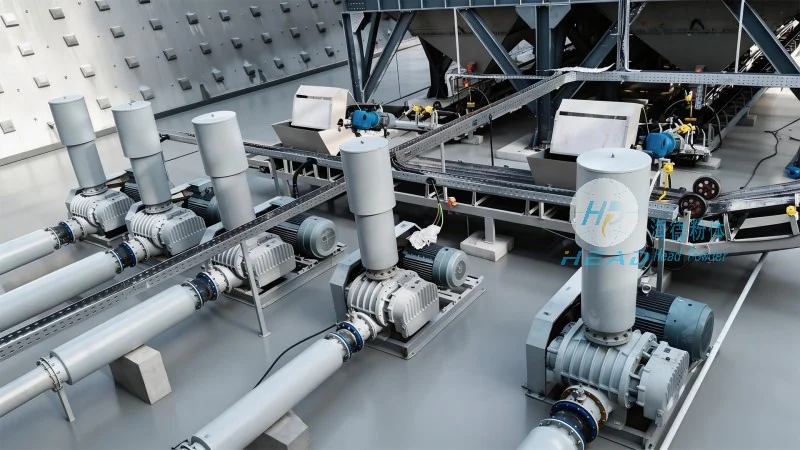
Titanium dioxide is widely used in various industries, including paints, coatings, plastics, and paper, due to its excellent whiteness and opacity. Handling this fine powder requires specialized equipment to prevent dust generation, product degradation, and operational inefficiencies. Pneumatic conveying systems use air or other gases to transport the material, offering advantages such as enclosed transport, reduced contamination, and the ability to handle sensitive powders like TiO₂ effectively. Proper design and equipment selection are essential to maximize the efficiency and longevity of these systems.
Key Design Calculations for Titanium Dioxide Pneumatic Conveying
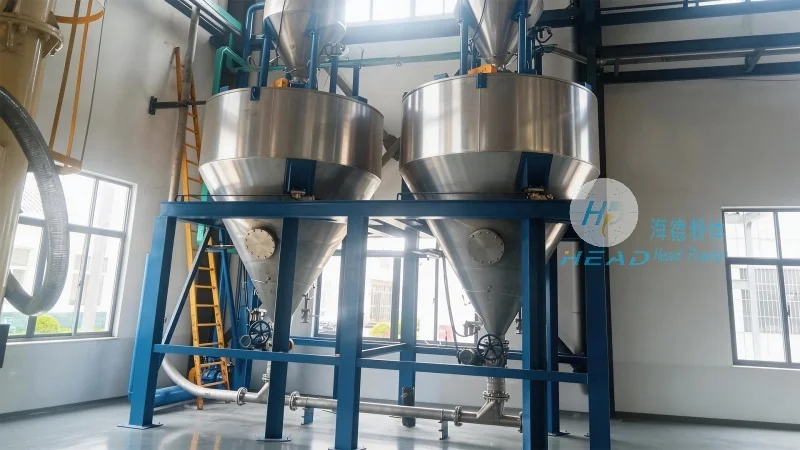
The first step in designing a pneumatic conveying system for titanium dioxide is to perform accurate calculations to determine the necessary parameters. Several critical factors must be considered to ensure the system operates within optimal conditions. These include the material's bulk density, flow rate, particle size distribution, and the desired conveying distance. The calculation of air velocity is a fundamental aspect, as it directly impacts the system's performance. For titanium dioxide, typical air velocities range from 20 to 30 meters per second in dilute phase systems, while higher velocities may be required for dense phase conveying. The pressure drop across the system components, including pipes, fittings, and equipment, must also be calculated to ensure the system can maintain the required flow rate without excessive energy consumption.
Equipment Selection for Titanium Dioxide Pneumatic Conveying
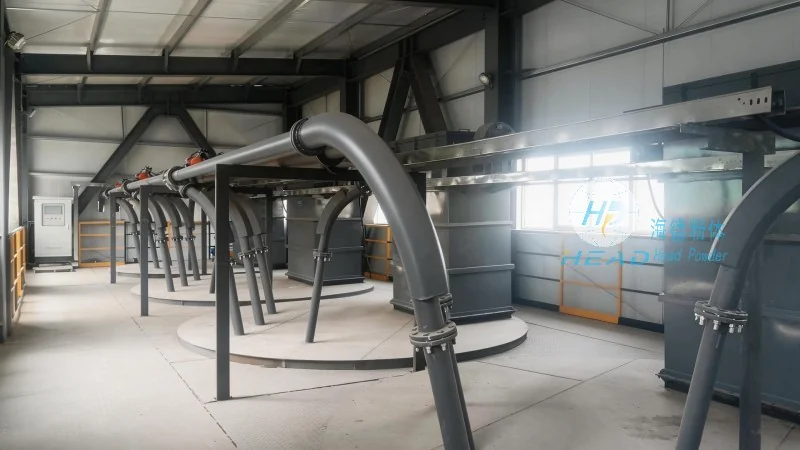
Once the design calculations are complete, the next step is to select the appropriate equipment for the titanium dioxide pneumatic conveying system. The choice of equipment depends on the specific application, material characteristics, and operational requirements. The primary components of a pneumatic conveying system include the material feed system, air supply system, conveying line, and material separation equipment. For titanium dioxide, the feed system may consist of a hopper with a rotary valve or a screw feeder to control the material flow. The air supply system typically includes a blower or a positive displacement compressor, which must be capable of delivering the required air volume and pressure. The conveying line is usually made of stainless steel or other corrosion-resistant materials to prevent contamination and ensure durability. The material separation equipment, such as cyclones or bag filters, is essential to recover the powder and maintain air quality. Additionally, the selection of components like check valves, silencers, and pressure relief devices is critical to ensure the system operates safely and efficiently.
Addressing Challenges in Titanium Dioxide Pneumatic Conveying
Despite the advantages of pneumatic conveying, several challenges may arise when handling titanium dioxide. One common issue is the risk of clogging in the conveying line due to the fine particle size and high bulk density of the material. To mitigate this, the system design may include features such as pulse jets or vibration devices to prevent blockages. Another challenge is the potential for dust explosion, which requires the implementation of explosion-proof equipment and proper ventilation systems. Additionally, the system must be designed to minimize product degradation, which can occur due to high air velocities or excessive pressure drops. Proper material handling practices and equipment maintenance are essential to ensure the longevity and reliability of the system.
Conclusion and Company Overview
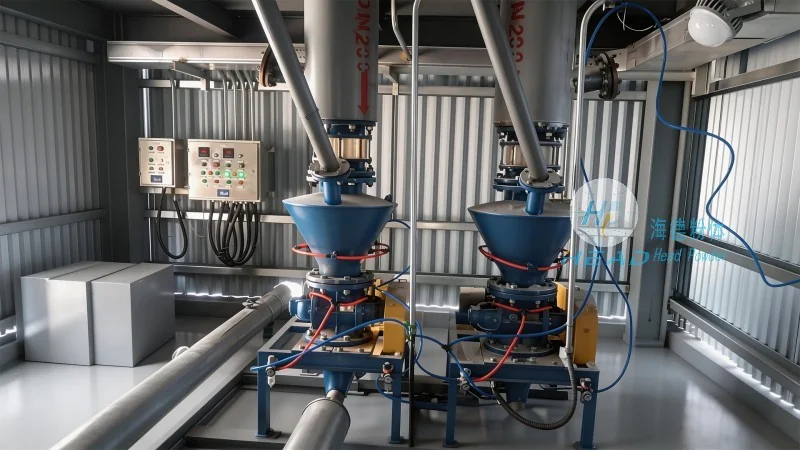
Designing and selecting the right pneumatic conveying equipment for titanium dioxide is a complex process that requires a thorough understanding of material properties and system requirements. By following the principles outlined in this article, industrial facilities can achieve efficient and safe material transport while minimizing operational costs. Shandong HeadPowder Engineering Co., Ltd., a leading provider of engineering solutions for powder handling, offers expert consultation and customized equipment solutions for titanium dioxide pneumatic conveying systems. With years of experience in the industry, the company ensures that each project is tailored to meet the specific needs of the client, providing reliable and efficient solutions for material transport. Based in Shandong, China, HeadPowder Engineering Co., Ltd. is committed to delivering high-quality products and services that enhance the performance and safety of industrial operations.