

Design and Equipment Selection for Pneumatic Conveying of Calcium Hydroxide Powder
For industrial applications requiring the efficient and reliable transport of calcium hydroxide powder, proper design and equipment selection are critical factors. This article provides a comprehensive overview of the design calculations and equipment selection process for pneumatic conveying systems tailored to calcium hydroxide powder, ensuring optimal performance and operational efficiency.
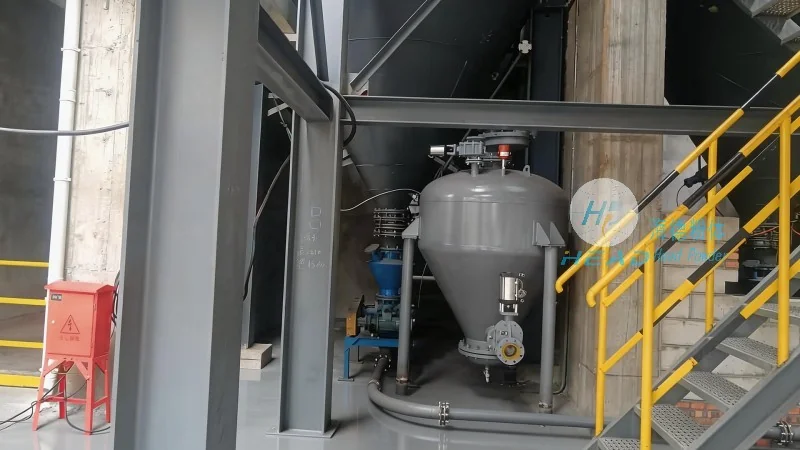
Introduction to Calcium Hydroxide Powder Pneumatic Conveying
Calcium hydroxide, commonly known as slaked lime, is a white powder widely used in various industries such as construction, agriculture, and chemical manufacturing. Its handling and transportation often present challenges due to its fine particle size and potential for dust generation. Pneumatic conveying offers a solution by using air to transport the powder through a pipeline system, eliminating the need for mechanical components like conveyors or elevators. The effectiveness of this method depends heavily on the correct design of the system and the appropriate selection of equipment.
Design Calculations for Pneumatic Conveying Systems
The design of a pneumatic conveying system for calcium hydroxide powder involves several key calculations to ensure the system operates within safe and efficient parameters. The first step is to determine the required air velocity and pressure. This is typically based on the particle size distribution of the calcium hydroxide powder, as larger particles require higher air velocities to maintain suspension. The air velocity must be sufficient to overcome the gravitational forces acting on the particles while keeping the pressure drop within acceptable limits to avoid excessive energy consumption.
Next, the system's capacity and flow rate are calculated based on the production requirements. This involves determining the mass flow rate of the powder and the corresponding air flow rate needed to transport it. The calculation considers factors like the bulk density of the powder, the conveying distance, and the number of bends or fittings in the pipeline. Accurate flow rate calculations are essential to prevent underloading or overloading of the system, which can lead to system instability or equipment damage.
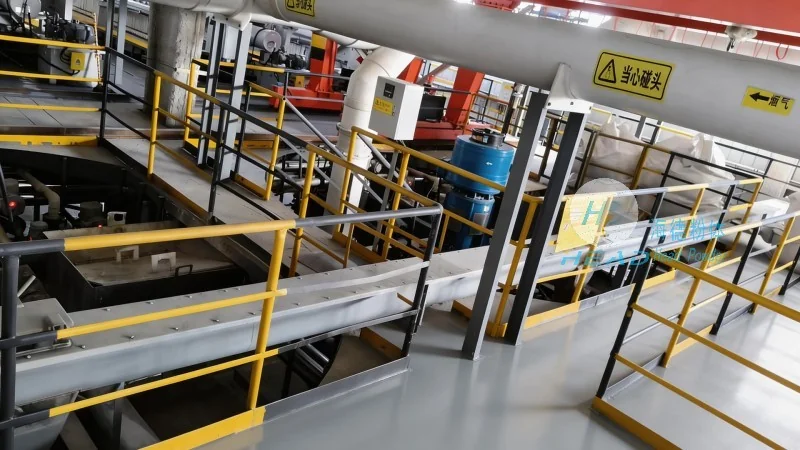
Pressure drop is another critical parameter in the design process. It is calculated by considering the friction losses along the pipeline, the losses at bends, fittings, and other components, as well as the acceleration and deceleration of the powder-air mixture. Proper estimation of pressure drop helps in selecting the appropriate blower or compressor, ensuring the system has enough pressure to maintain the conveying process. The design also includes considerations for the system's power consumption, as energy efficiency is a key factor in industrial operations.
Equipment Selection for Calcium Hydroxide Powder Pneumatic Conveying
Choosing the right equipment for a calcium hydroxide powder pneumatic conveying system is crucial for its long-term performance and reliability. The primary equipment includes the feeding system, the conveying pipeline, the air supply unit, and the discharge system. The feeding system must be capable of handling the fine powder without causing blockages or excessive dust generation. Common feeding methods include rotary valves, star feeders, or pressure feeders, which are selected based on the powder's properties and the system's flow rate requirements.
The conveying pipeline is typically made of materials resistant to the chemical properties of calcium hydroxide, such as stainless steel or PVC. The pipe diameter is determined based on the air velocity and flow rate calculations, ensuring that the system operates within the optimal velocity range. The number and type of bends and fittings are also critical, as they contribute significantly to the pressure drop and potential for particle accumulation. Properly designed bends and smooth pipe surfaces help maintain the flow and prevent clogging.
The air supply unit, usually a positive displacement blower or a centrifugal fan, is selected based on the required pressure and air volume. The blower's capacity must be sufficient to overcome the total pressure drop in the system while providing the necessary air velocity for particle suspension. The selection also considers the system's noise level and maintenance requirements. The discharge system, including silos or hoppers, is designed to safely collect the conveyed powder and prevent dust emissions. Dust collection systems, such as cyclones or bag filters, may be integrated to comply with environmental regulations and ensure workplace safety.
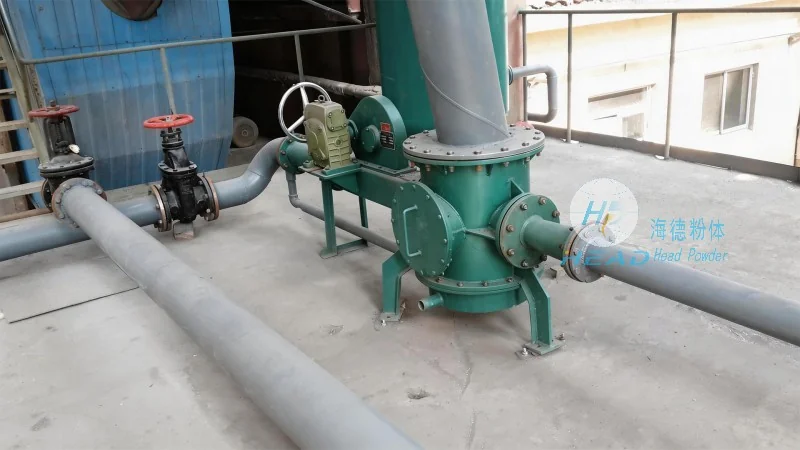
Key Considerations and Best Practices
Several factors must be considered to ensure the successful implementation of a calcium hydroxide powder pneumatic conveying system. First, the particle size distribution of the powder is a critical parameter. Fine particles require higher air velocities and more efficient feeding mechanisms to avoid clogging. The system design should account for the variability in particle size to maintain consistent performance. Second, the system must be designed to handle the potential for moisture absorption by the calcium hydroxide powder, as moisture can affect the powder's flowability and cause blockages. Proper drying and moisture control measures are essential in such applications.
Third, the system's maintenance and operational considerations are important. Regular cleaning and inspection of the pipeline and equipment are necessary to prevent buildup and ensure long-term reliability. The selection of equipment should also consider the ease of maintenance and availability of spare parts. Additionally, the system should be designed with safety features, such as pressure relief valves and dust explosion prevention measures, to comply with industrial safety standards and protect personnel and equipment.
Conclusion
Designing and selecting the appropriate equipment for a pneumatic conveying system of calcium hydroxide powder requires a thorough understanding of the powder's properties and the system's operational requirements. By following the design calculations and selecting the right equipment, industrial facilities can achieve efficient, reliable, and safe transportation of calcium hydroxide powder. The expertise of companies like Shandong HeadPowder Engineering Co., Ltd., with their focus on engineering solutions tailored to specific material handling needs, plays a vital role in ensuring the success of such systems. Their commitment to quality and customer satisfaction ensures that clients receive customized solutions that meet their unique operational challenges and enhance overall productivity.