

Methylcellulose Pneumatic Conveying Design Calculation and Equipment Selection
When it comes to handling methylcellulose through pneumatic conveying systems, a thorough understanding of design calculations and appropriate equipment selection is crucial for ensuring efficient and reliable material transport. This process involves evaluating various factors such as material properties, system requirements, and operational conditions to develop a tailored solution that meets specific industrial needs.
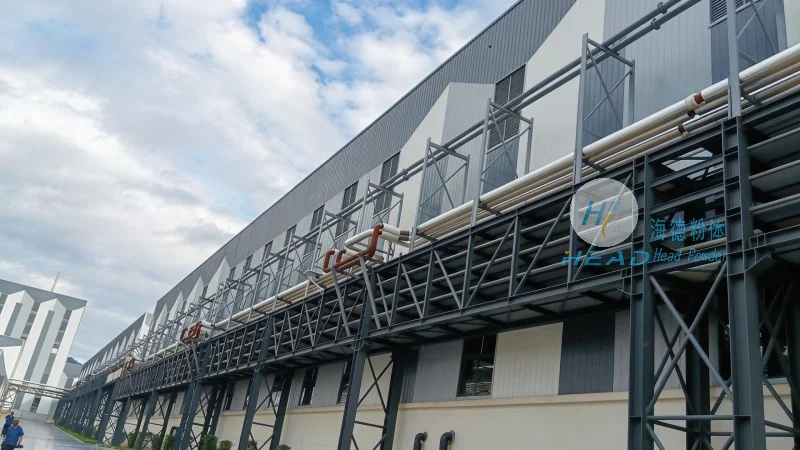
Key Design Considerations for Methylcellulose Pneumatic Conveying
Before proceeding with equipment selection, several key design considerations must be addressed. The first is the physical and chemical characteristics of methylcellulose, which include its particle size distribution, moisture content, and flowability. These properties directly impact the air velocity required for effective conveying and the type of equipment that can handle the material without degradation or blockage. Additionally, the system's operating pressure and temperature range are critical factors that influence the choice of components such as blowers, ducts, and separation devices.
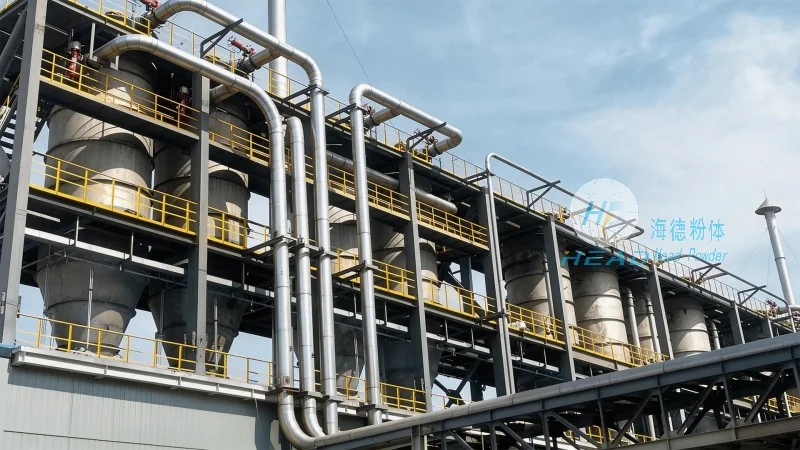
Equipment Selection for Methylcellulose Pneumatic Conveying Systems
HeadPowder, a leading engineering company based in Shandong, China, specializes in the design and selection of pneumatic conveying equipment tailored to the unique demands of methylcellulose applications. The company's approach involves a comprehensive analysis of the material's behavior under different conveying conditions, ensuring that the selected equipment can maintain consistent flow rates and prevent material degradation. Key equipment options include positive displacement blowers, which provide the necessary pressure for handling fine or cohesive materials like methylcellulose, and flexible hoses or rigid ducts that are designed to minimize pressure losses and maintain material integrity.
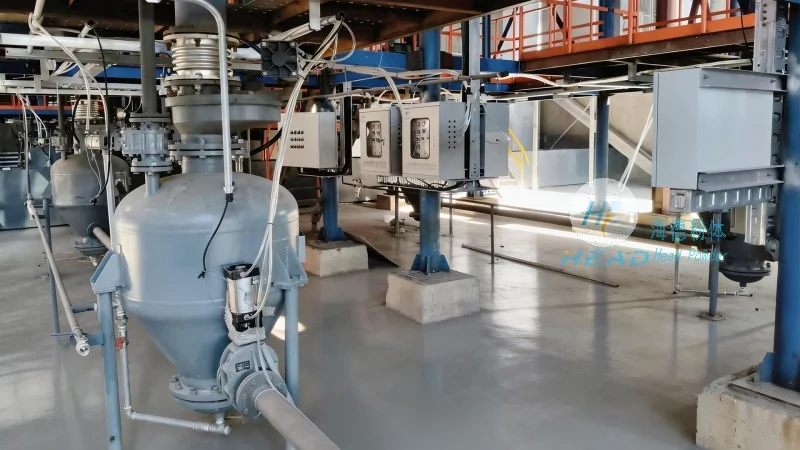
Design Calculations for Methylcellulose Pneumatic Conveying
Accurate design calculations are essential for optimizing the performance of methylcellulose pneumatic conveying systems. This involves determining the required air velocity, pressure drop across the system, and the power consumption of the blower. The calculations take into account the material's specific gravity, particle size, and the system's layout, including the length and diameter of the conveying line, as well as the number and location of bends and elbows. By performing these calculations, engineers can ensure that the system operates within safe and efficient parameters, minimizing energy consumption and maximizing throughput.
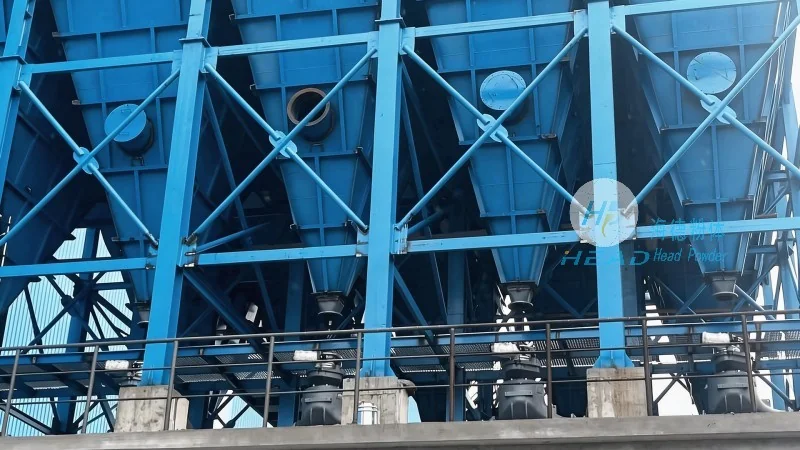
Benefits of Professional Equipment Selection and Design
Choosing the right equipment and following proper design calculations offers several benefits for industries handling methylcellulose. These include improved material handling efficiency, reduced downtime due to equipment failures, and enhanced product quality by preventing contamination or degradation. Additionally, a well-designed system can help lower operational costs by optimizing energy usage and minimizing maintenance requirements. HeadPowder's expertise in this field ensures that clients receive customized solutions that address their specific challenges, from small-scale laboratory applications to large-scale industrial production lines.