

Design Considerations for White Ash Pneumatic Conveying Systems
When designing a pneumatic conveying system for white ash, several critical factors must be considered to ensure efficiency, reliability, and long-term performance. The process involves careful evaluation of material properties, system configuration, and operational parameters. This article outlines essential design considerations that professionals in the field should address to optimize the performance of white ash pneumatic conveying systems, with insights from Shandong HeadPowder Engineering Co., Ltd. (headpowder), a leading provider of engineering solutions for bulk material handling.
Material Properties and Their Impact on System Design
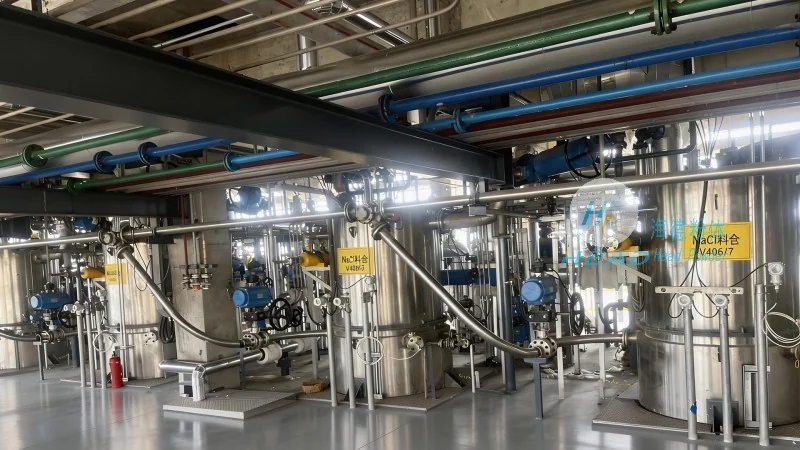
White ash, a byproduct of coal combustion, has specific physical and chemical characteristics that influence the selection of conveying equipment and system layout. Key material properties include particle size distribution, moisture content, bulk density, and abrasiveness. These factors directly affect the choice of conveying technology—such as dilute-phase or dense-phase systems—and the required air velocity and pressure. For example, fine white ash particles may require higher air velocities to prevent clogging, while coarser particles might benefit from lower velocities to reduce energy consumption. Understanding these properties is crucial for selecting the appropriate pump type, such as a rotary lobe or positive displacement blower, and determining the optimal pipeline diameter and length.
System Configuration and Layout Planning
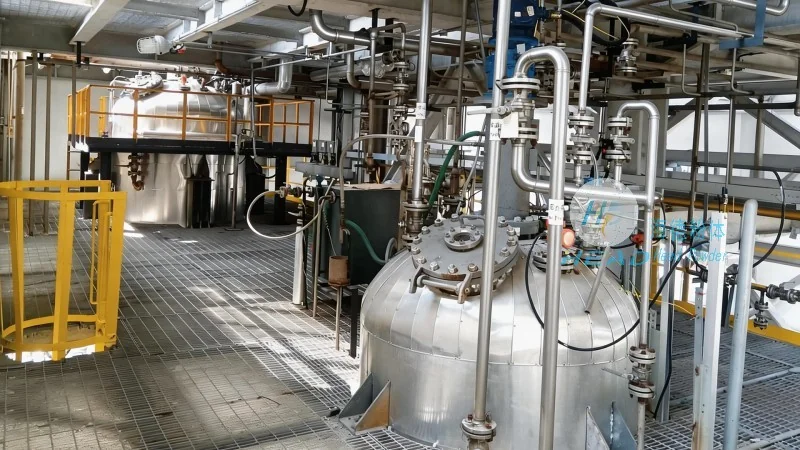
The layout of a pneumatic conveying system for white ash must account for the source, destination, and intermediate points of material transfer. The system typically includes a hopper, feeder, air compressor, pipeline network, and receiver. The design should minimize the number of bends and changes in direction to reduce pressure losses and prevent material accumulation. For instance, using straight runs with gradual bends and avoiding sharp angles can improve airflow and prevent clogging. Additionally, the placement of the air compressor and receiver should be strategically located to minimize pipeline length and energy consumption. The use of vertical and horizontal sections in the pipeline must be balanced to maintain consistent pressure and prevent material settling or blockages.
Equipment Selection and Component Integration
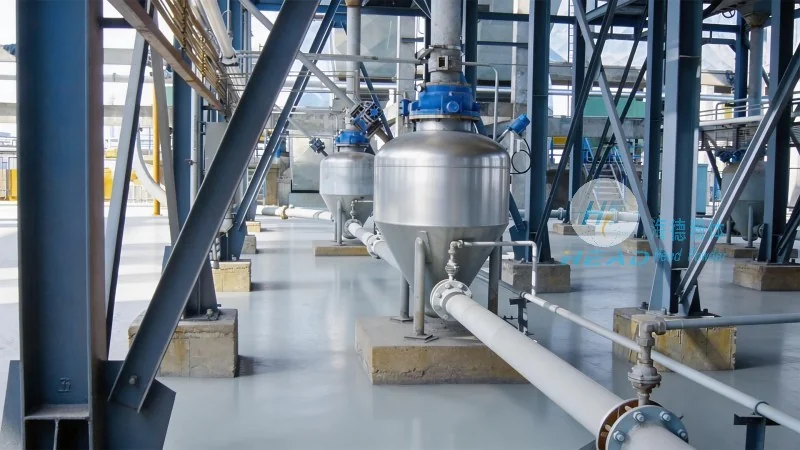
Choosing the right equipment components is vital for the successful operation of a white ash pneumatic conveying system. The air compressor, which provides the necessary pressure and airflow, should be matched to the system's requirements. Rotary lobe blowers are commonly used for white ash due to their ability to handle abrasive materials and variable flow rates. The feeder, such as a rotary valve or screw feeder, must be designed to handle the ash's bulk density and prevent blockages. The pipeline material, typically stainless steel or carbon steel with appropriate coating, should be selected to resist corrosion and abrasion from the ash particles. Additionally, the receiver, which collects the conveyed ash, should be equipped with a dust collection system to ensure environmental compliance and prevent dust emissions. Proper integration of these components ensures smooth material transfer and reduces maintenance costs.
Control Systems and Operational Safety
Implementing an effective control system is essential for the safe and efficient operation of a white ash pneumatic conveying system. The system should include sensors and controls to monitor pressure, airflow, and material flow rates. Real-time monitoring allows operators to detect and address issues promptly, such as pressure drops or material blockages. Safety features, such as emergency shut-off valves and pressure relief devices, must be integrated into the design to prevent accidents and protect personnel. Additionally, the system should comply with local regulations regarding dust control and emissions. Regular maintenance and inspection of the control system are necessary to ensure its reliability and longevity.
Environmental and Maintenance Considerations
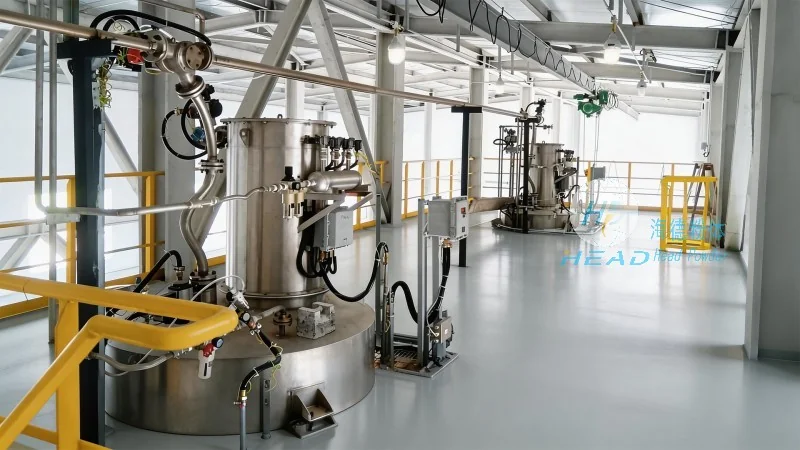
Environmental compliance and maintenance are critical aspects of white ash pneumatic conveying system design. The system should be designed to minimize dust emissions and comply with air quality regulations. This may involve using dust collection systems, such as baghouses or cyclones, to capture and filter the ash particles. Regular cleaning and maintenance of these systems are necessary to maintain their efficiency. The maintenance schedule for the system components, including the air compressor, feeder, and pipeline, should be established to prevent breakdowns and extend the system's lifespan. Using high-quality materials and components can reduce the frequency of maintenance and lower long-term operational costs.