

Design Considerations for Copper Powder Pneumatic Conveying Systems
Copper powder pneumatic conveying systems are critical in industrial applications, particularly in the processing and handling of copper powders. The design of such systems requires careful consideration of multiple factors to ensure efficiency, safety, and longevity. This article outlines key design considerations for copper powder pneumatic conveying systems, emphasizing the expertise of Shandong HeadPowder Engineering Co., Ltd., a leading provider in the field.
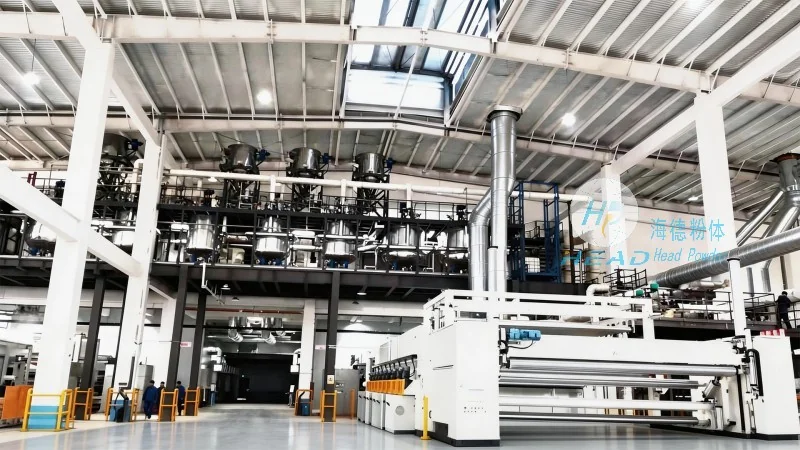
System Type Selection: Positive Pressure vs. Negative Pressure
Choosing the appropriate system type is the first critical step in copper powder pneumatic conveying system design. Positive pressure systems, where air is forced through the conveying line, are commonly used for long-distance or high-velocity applications. They offer better control over particle flow and are suitable for handling abrasive or corrosive materials like copper powder. Negative pressure systems, on the other hand, draw material into the system using suction, which is ideal for applications requiring minimal product contamination or where the material is sensitive to pressure changes. The selection depends on factors such as the distance between the source and destination, the volume of material to be conveyed, and the specific characteristics of the copper powder being handled.
Pressure and Flow Rate Management
Proper management of pressure and flow rate is essential to prevent system inefficiencies and equipment damage. The pressure required for copper powder conveying is typically higher than for other powders due to the high density and abrasive nature of copper powder. It is crucial to calculate the necessary air velocity to maintain the powder in suspension, as insufficient velocity can lead to blockages and increased wear on components. Conversely, excessive velocity can cause excessive pressure drops and energy consumption. Shandong HeadPowder Engineering Co., Ltd. employs advanced computational fluid dynamics (CFD) and empirical data to determine optimal pressure and flow rates, ensuring efficient operation while minimizing energy costs.
Pipeline Design and Material Selection
The design of the conveying pipeline is a critical factor in system performance. Copper powder is highly abrasive and can cause significant wear on metal surfaces. Therefore, selecting the right pipeline material is paramount. Stainless steel, particularly 316L, is often preferred due to its corrosion resistance and durability. For high-abrasion applications, specialized alloys or lined pipes may be used to extend the system's lifespan. The pipeline layout should be designed to minimize bends and changes in direction, as sharp turns can cause particle separation and increase the risk of blockages. Additionally, the use of smooth, internally coated pipes reduces friction and pressure losses, improving overall system efficiency.
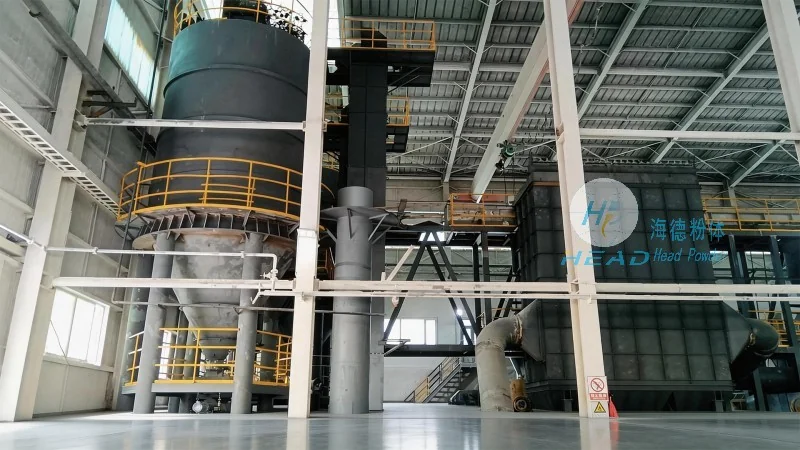
Sealing and Leak Prevention
Effective sealing is vital to prevent product loss, contamination, and environmental hazards. Copper powder is a valuable material, and any leakage can result in significant economic losses. The system must incorporate robust sealing mechanisms at all connection points, including the inlet and outlet hoppers, and at the junctions of the conveying line. Shandong HeadPowder Engineering Co., Ltd. utilizes advanced sealing technologies, such as mechanical seals and flexible connectors, to ensure tight, long-lasting seals. Regular inspection and maintenance of seals are also recommended to prevent degradation over time.
Equipment Maintenance and Durability
Maintaining the durability of components is essential for the long-term operation of copper powder pneumatic conveying systems. Copper powder is abrasive, and components like pumps, valves, and cyclones are subject to wear. Regular maintenance, including component replacement and cleaning, is necessary to prevent system failure. Shandong HeadPowder Engineering Co., Ltd. provides comprehensive maintenance services and recommends using wear-resistant materials for critical components, such as ceramic or tungsten carbide coatings, to extend their lifespan. Additionally, monitoring system performance through pressure sensors and flow meters helps identify potential issues before they escalate.
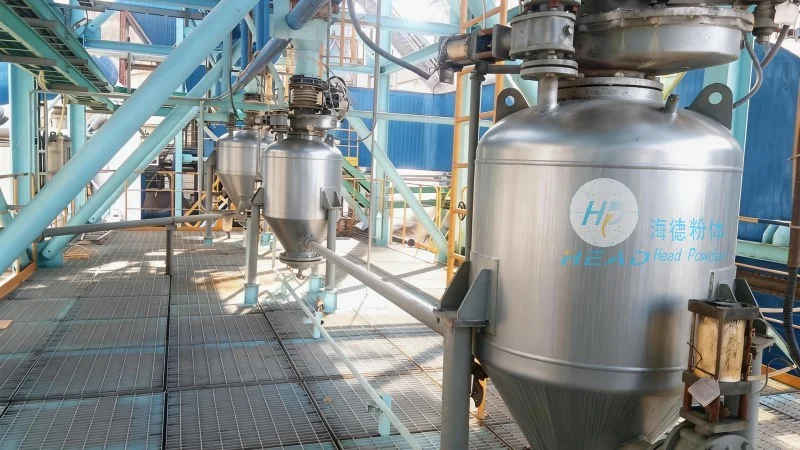
Environmental and Safety Considerations
Designing a copper powder pneumatic conveying system must also consider environmental and safety regulations. Copper powder is a hazardous material, and the system must be designed to prevent dust explosions and ensure worker safety. Explosion-proof components and proper ventilation systems are essential to mitigate these risks. Additionally, the system should be equipped with dust collection and filtration systems to minimize airborne particle emissions and comply with environmental regulations. Shandong HeadPowder Engineering Co., Ltd. adheres to all relevant safety and environmental standards, ensuring that their systems are both efficient and compliant.
Case Study: Successful Implementation by Shandong HeadPowder Engineering Co., Ltd.
Shandong HeadPowder Engineering Co., Ltd. has successfully implemented copper powder pneumatic conveying systems for various industrial clients. For example, a client in China required a system to transport copper powder from a production line to a storage silo over a distance of 200 meters. The company designed a positive pressure system with stainless steel pipelines and advanced sealing mechanisms. The system was optimized for pressure and flow rate, resulting in a 20% reduction in energy consumption compared to traditional systems. The client reported improved product quality and reduced maintenance costs, highlighting the effectiveness of the design approach.
Conclusion
Designing a copper powder pneumatic conveying system involves careful consideration of system type, pressure management, pipeline design, sealing, maintenance, and safety. By addressing these factors, industrial facilities can achieve efficient, reliable, and cost-effective material handling. Shandong HeadPowder Engineering Co., Ltd. offers expert design and implementation services, leveraging years of experience to deliver tailored solutions that meet the specific needs of their clients. With a focus on quality and compliance, the company ensures that copper powder pneumatic conveying systems operate at peak performance, supporting the success of industrial operations.