

Design Considerations for Coke Powder Pneumatic Conveying Systems
When designing a coke powder pneumatic conveying system, several critical factors must be considered to ensure efficient, reliable, and cost-effective operation. This article outlines key design considerations for such systems, emphasizing the importance of selecting appropriate equipment, optimizing system layout, and addressing material characteristics to achieve optimal performance.
System Selection and Equipment Configuration
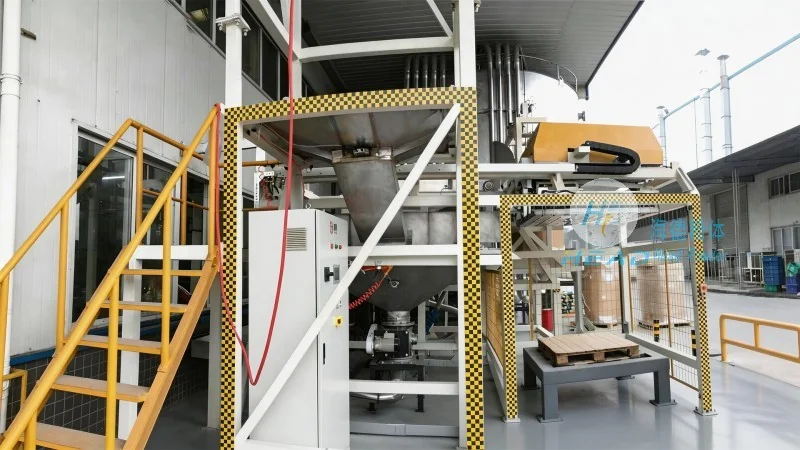
The first step in designing a coke powder pneumatic conveying system is to select the appropriate conveying method and equipment. For coke powder, which is typically a fine, abrasive material, positive pressure systems are often preferred due to their ability to handle high material loads and provide consistent flow. Key equipment includes a blower or compressor, a hopper for material storage, a feeder to control material discharge, and a pipeline network that transports the material to the destination. The choice of blower type—such as rotary lobe or centrifugal—depends on the system's pressure and flow requirements, as well as the specific characteristics of the coke powder, including its particle size, density, and moisture content.
Material Characteristics and Handling Challenges
Coke powder presents unique handling challenges due to its fine particle size and abrasive nature. These characteristics can affect system performance and equipment lifespan. For instance, fine particles may cause clogging in pipelines or feeders, while abrasion can lead to wear on components like hoppers and pipelines. To mitigate these issues, designers must consider the material's flowability, which is influenced by factors like moisture content and particle size distribution. Proper conditioning, such as adding a small amount of moisture or using a pre-drying process, can improve flowability and reduce clogging risks. Additionally, selecting materials for equipment components—such as stainless steel or high-grade alloys—can enhance durability and reduce maintenance costs.
System Layout and Pipeline Design
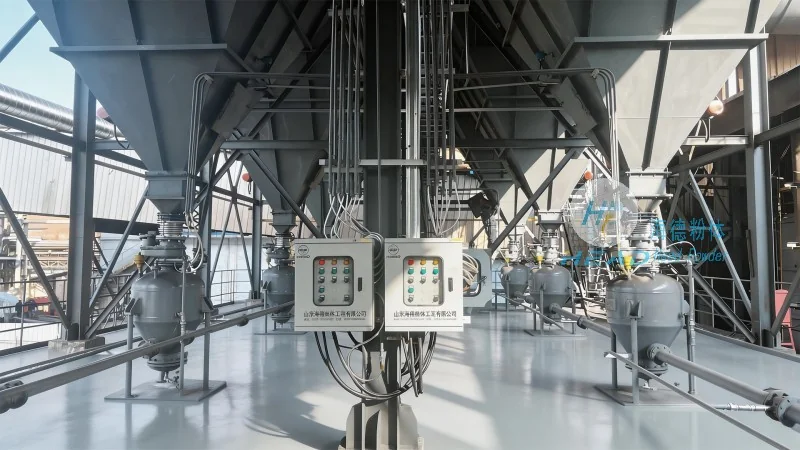
The layout of the pneumatic conveying system plays a crucial role in its efficiency and reliability. The pipeline network should be designed to minimize pressure losses and ensure consistent material flow. This involves selecting appropriate pipe diameters and lengths, as well as incorporating components like bends, elbows, and expansion joints to accommodate changes in direction and pressure. For long-distance conveying, it may be necessary to include intermediate boosters or cyclones to maintain sufficient pressure and prevent material settling. The placement of hoppers and feeders is also critical, as they must be positioned to allow for smooth material discharge and prevent blockages. Proper sealing of hoppers and feeders is essential to maintain system pressure and prevent air leakage, which can reduce conveying efficiency.
Control and Monitoring Systems
Effective control and monitoring are essential for maintaining the performance of a coke powder pneumatic conveying system. Automated control systems can regulate the flow of material and air, ensuring consistent operation and preventing overloading or underloading of equipment. Sensors, such as pressure transducers and flow meters, can provide real-time data on system performance, allowing operators to detect and address issues promptly. Additionally, monitoring for air leaks or pressure drops can help identify potential problems before they lead to system failure. Regular maintenance and calibration of control systems are necessary to ensure their reliability and accuracy.
Environmental and Safety Considerations
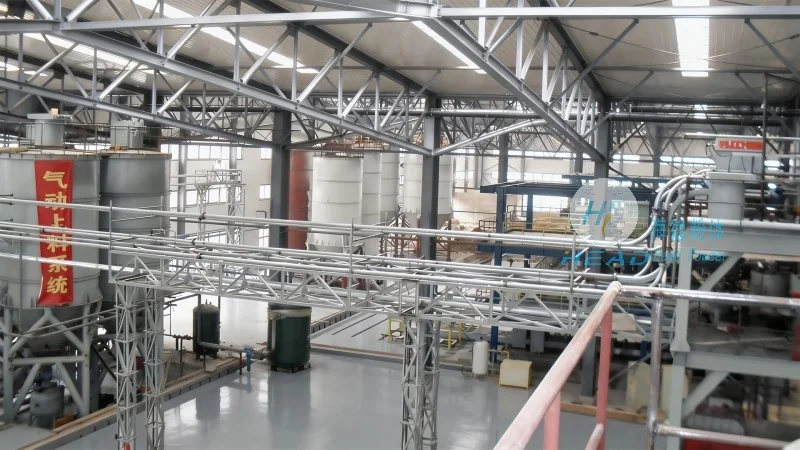
Designing a coke powder pneumatic conveying system also requires consideration of environmental and safety factors. Dust control is a critical concern, as fine coke powder can create airborne dust that poses health risks and environmental hazards. Proper dust collection systems, such as cyclones or baghouses, should be integrated into the system to capture and remove dust from the air. Additionally, safety measures, such as explosion-proof components and emergency shutdown systems, are necessary to protect personnel and equipment from potential hazards. Compliance with local regulations regarding dust emissions and safety standards is essential to ensure the system operates legally and responsibly.
Conclusion
Designing a coke powder pneumatic conveying system requires a comprehensive approach that considers material characteristics, equipment selection, system layout, and control systems. By addressing these key factors, engineers can create a system that is efficient, reliable, and cost-effective. The expertise of companies like Shandong HeadPowder Engineering Co., Ltd., with their focus on pneumatic conveying solutions, can provide valuable guidance in designing and implementing such systems. With proper design and maintenance, coke powder pneumatic conveying systems can deliver consistent performance and contribute to the smooth operation of industrial processes.