

Design Considerations for Sodium Carbonate Pneumatic Conveying Systems
When designing a pneumatic conveying system for sodium carbonate, several critical factors must be carefully evaluated to ensure efficient, reliable, and cost-effective operation. This article outlines key design considerations that professionals in the chemical processing industry should consider when developing such systems.
System Sizing and Flow Rate Determination
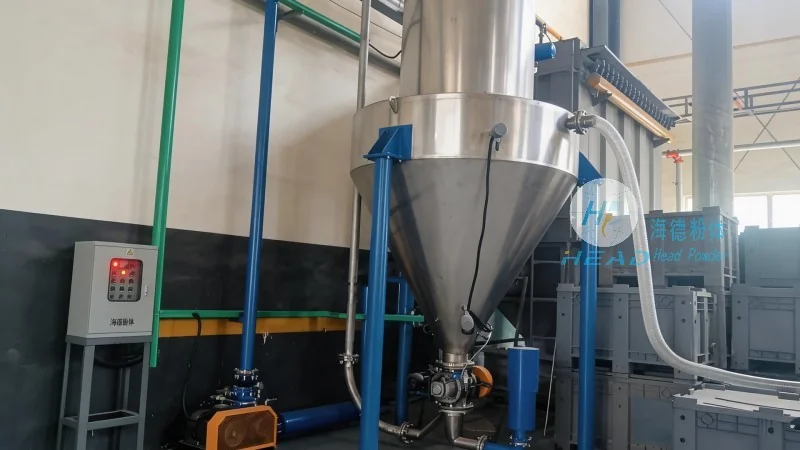
The first step in designing a sodium carbonate pneumatic conveying system is accurately determining the required flow rate and system capacity. This involves analyzing the production volume, material characteristics, and the distance the material needs to be transported. For sodium carbonate, which is typically a fine to medium-sized powder, the flow rate must be sufficient to maintain consistent air velocity within the pipeline to prevent material settling or blockages. Engineers often use empirical formulas and industry standards, such as the Carberry method or the Hapman method, to calculate the necessary air velocity and pressure drop. The choice of system size—whether a positive pressure, negative pressure, or a combination of both—depends on the specific application, with positive pressure systems generally preferred for long-distance or high-volume transport due to their ability to handle more material and maintain consistent flow.
Material Characteristics and Pipeline Design
Sodium carbonate, also known as soda ash, has distinct physical properties that impact system design. It is a white crystalline powder with a relatively low bulk density (typically 0.8-1.0 g/cm³) and can be hygroscopic, meaning it absorbs moisture from the air. These characteristics affect pipeline design in several ways. First, the pipeline diameter must be selected to accommodate the material's flow characteristics and prevent excessive pressure drop. Larger diameters reduce friction losses but increase system cost and space requirements. Conversely, smaller diameters may lead to higher air velocities, which can cause material degradation or increased wear on components. Additionally, the material's hygroscopic nature requires the system to be designed with moisture control in mind, such as using dry air or incorporating drying stages to prevent clumping or caking in the pipeline. The pipeline material itself is critical; stainless steel is commonly used due to its resistance to corrosion from sodium carbonate and its ability to handle abrasive particles. Properly designed elbows, bends, and transition sections are essential to minimize pressure losses and prevent material accumulation in low-velocity areas.
Air Compressor and Pressure System Selection
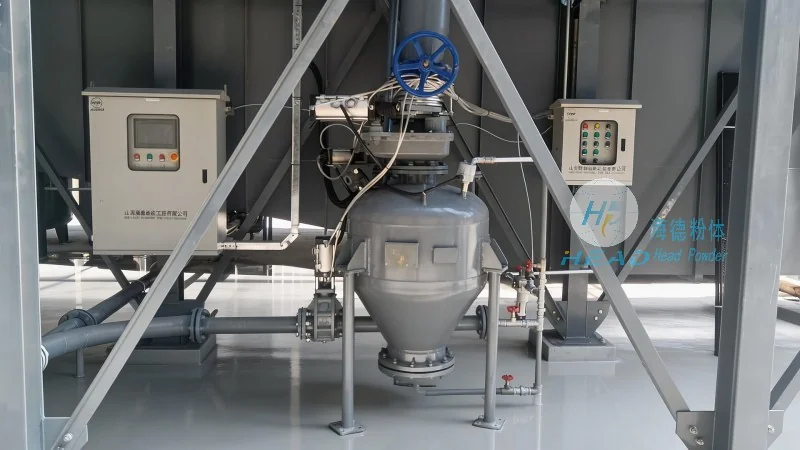
The air compressor is the heart of a pneumatic conveying system, and selecting the right type and capacity is crucial for sodium carbonate transport. Positive pressure systems typically use rotary lobe or centrifugal compressors, which provide consistent pressure and flow rates. The compressor must be capable of delivering the required air volume at the appropriate pressure to overcome pipeline resistance and maintain material suspension. For example, a system transporting sodium carbonate over a distance of 500 meters might require a compressor with a capacity of 10-15 m³/min at 6-8 bar. The pressure system must also include pressure vessels, filters, and regulators to ensure stable operation and protect downstream equipment from pressure surges. Regular maintenance of the compressor, including oil changes and filter replacements, is essential to prevent contamination and ensure long-term reliability.
Valve and Control System Integration
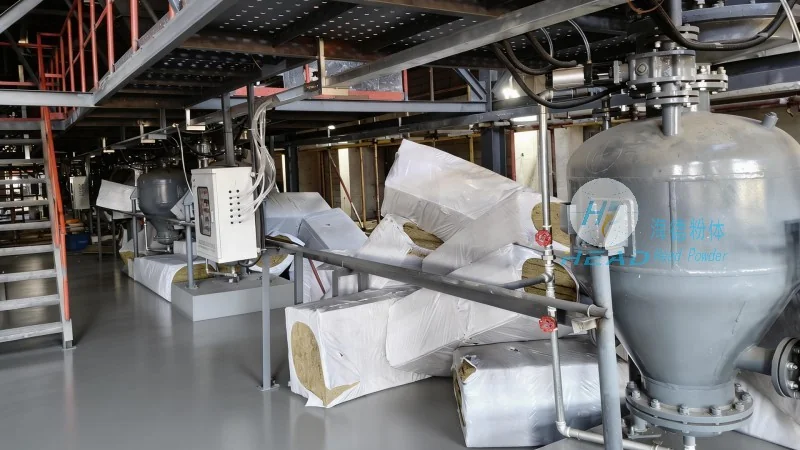
Valves and control systems play a vital role in managing the flow of sodium carbonate in the conveying system. Properly selected valves, such as rotary airlock valves or slide gates, are used to control the material feed rate and prevent backflow. These valves must be designed to handle the abrasive nature of sodium carbonate and be capable of withstanding high pressure differentials. The control system, often integrated with sensors and automation, monitors parameters like pressure, flow rate, and material level, allowing for real-time adjustments to maintain optimal operation. For example, a system might use a pressure sensor to adjust the compressor output automatically when the pipeline pressure drops, ensuring consistent material transport. The integration of these components with the overall process control system enhances efficiency and reduces downtime.
Prevention of Material Degradation and System Maintenance
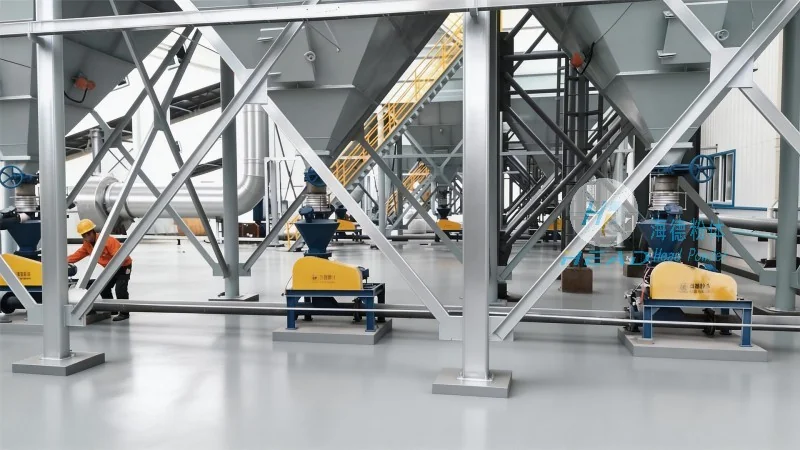
Ensuring the quality of sodium carbonate during transport is a key consideration. High air velocities or excessive pressure can cause the powder to degrade, leading to reduced product quality. Therefore, the system design must include features to minimize material impact and friction. This may involve using smooth pipeline surfaces, reducing the number of bends, and selecting appropriate air distribution methods. Regular maintenance is also critical to prevent system failures. This includes cleaning the pipeline and components to remove accumulated material, inspecting for wear and tear, and replacing worn parts such as seals and bearings. A well-maintained system not only extends the life of equipment but also ensures consistent product quality and reduces operational costs.
About Shandong HeadPowder Engineering Co., Ltd.
Shandong HeadPowder Engineering Co., Ltd., a leading provider of pneumatic conveying solutions, specializes in designing and manufacturing systems tailored to the unique needs of the chemical industry. With years of experience, the company offers comprehensive services, including system design, installation, and maintenance, to ensure reliable and efficient transport of materials like sodium carbonate. HeadPowder's expertise in material handling and process engineering ensures that their systems meet the highest standards of performance and durability. Based in Shandong, China, the company leverages local manufacturing capabilities to deliver high-quality products and services to clients worldwide.