

Design Considerations for a Potassium Sulfate Pneumatic Conveying System
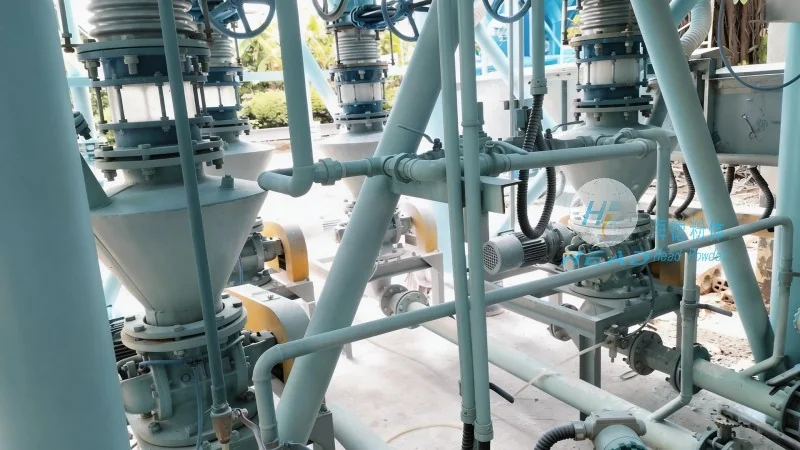
When designing a pneumatic conveying system for potassium sulfate, several critical factors must be considered to ensure efficiency, reliability, and cost-effectiveness. The system's performance is directly influenced by the material's properties, such as its bulk density, flowability, and moisture content, which vary depending on the specific application and storage conditions. A well-designed system not only optimizes material handling but also minimizes operational risks and maintenance costs.
Key Design Considerations for Potassium Sulfate Pneumatic Conveying
One of the primary considerations is the selection of the appropriate conveying method. For potassium sulfate, which is a fine to medium-grained powder, positive pressure systems are often preferred due to their ability to handle abrasive materials and maintain consistent flow rates. The choice between dilute-phase and dense-phase conveying depends on the distance, elevation change, and required material handling capacity. Dilute-phase systems are suitable for short to medium distances and moderate flow rates, while dense-phase systems are ideal for longer distances or when gentle material handling is necessary to prevent degradation.
System Layout and Component Selection
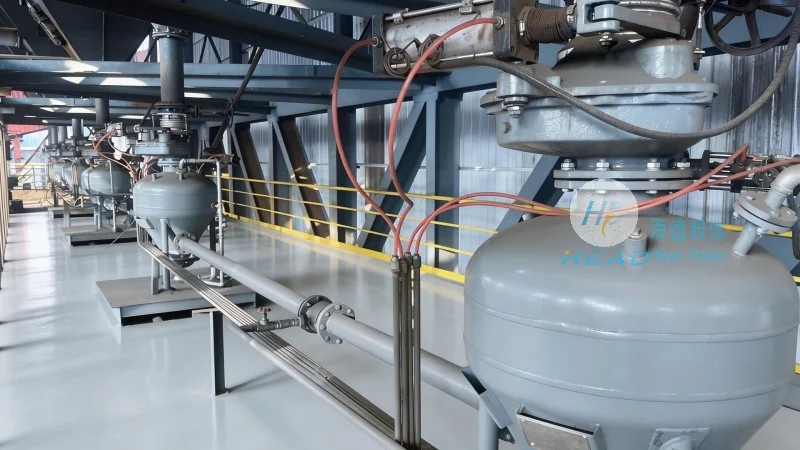
The layout of the pneumatic conveying system must be carefully planned to account for the material's characteristics and the operational environment. Components such as the hopper, feeder, and air compressor must be selected based on the material's flowability and the system's pressure requirements. The hopper design, including its shape and internal surfaces, plays a crucial role in preventing material bridging and ensuring smooth material discharge. The feeder, typically a rotary valve or a star feeder, must be capable of handling the material's bulk density and flow characteristics without causing blockages or excessive wear. The air compressor, whether a positive displacement or centrifugal type, must provide sufficient pressure and airflow to maintain the desired conveying velocity.
Pressure and Flow Rate Management
Proper pressure and flow rate management is essential for maintaining the system's efficiency and preventing material degradation. The conveying velocity must be optimized to avoid particle attrition and ensure that the material remains in suspension without settling in the pipeline. Excessive velocity can lead to increased energy consumption and equipment wear, while insufficient velocity may cause material deposition and blockages. The system's pressure control is typically achieved through a combination of the air compressor's output, pressure regulators, and the use of pulse or continuous air flow to maintain consistent material transport.
Material Handling and Equipment Durability
Given that potassium sulfate is an abrasive material, the selection of durable components is critical to extend the system's lifespan and reduce maintenance costs. The pipeline material, such as stainless steel or high-density polyethylene, must be resistant to corrosion and wear caused by the material's particles. The use of wear-resistant liners and liners in high-stress areas, such as bends and elbows, can significantly improve the system's longevity. Additionally, regular maintenance, including cleaning and inspection of components, is essential to prevent material buildup and ensure the system operates at peak efficiency.
Integration with Existing Infrastructure
When integrating a new pneumatic conveying system with existing infrastructure, it is important to consider compatibility and operational constraints. The system's design must account for the existing layout, including the location of hoppers, silos, and processing equipment. The use of flexible connectors and adjustable components can facilitate integration and minimize the need for extensive modifications to the existing setup. Additionally, the system's control system must be compatible with the existing control network to ensure seamless operation and data integration.
Environmental and Safety Considerations
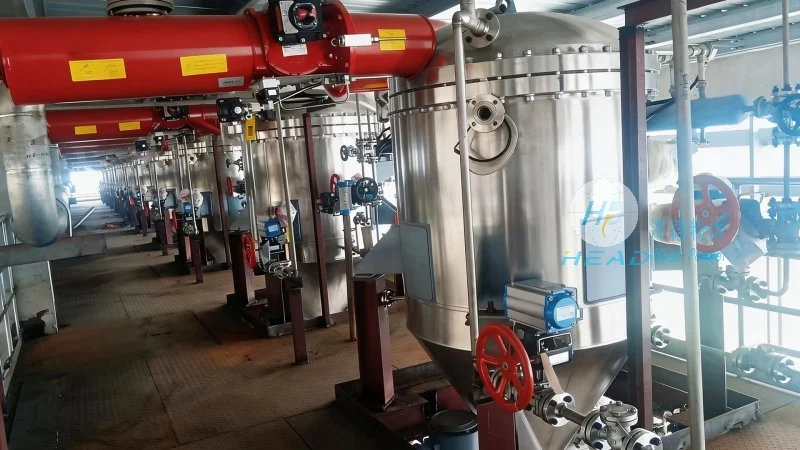
Environmental and safety considerations are also critical when designing a potassium sulfate pneumatic conveying system. The system must be designed to minimize dust emissions and comply with local environmental regulations. Dust collection systems, such as baghouses or cyclones, are typically integrated into the system to capture and filter the material particles. Safety features, such as pressure relief valves and emergency shut-off systems, must be included to prevent accidents and protect personnel. The system's design must also account for the material's potential hazards, such as dust explosion risks, and incorporate appropriate safety measures to mitigate these risks.
Case Study: Successful Implementation by Shandong HeadPowder Engineering Co., Ltd.
Shandong HeadPowder Engineering Co., Ltd., a leading provider of material handling solutions, has successfully implemented several potassium sulfate pneumatic conveying systems for clients in China. One notable project involved the design and installation of a dense-phase conveying system for a fertilizer manufacturer in Shandong province. The system was designed to transport potassium sulfate from storage silos to processing equipment over a distance of 200 meters with an elevation change of 10 meters. The system was equipped with a high-capacity air compressor, wear-resistant pipeline, and advanced control system, which ensured reliable operation and minimal downtime. The client reported significant improvements in material handling efficiency and reduced maintenance costs compared to traditional methods.