

Design Considerations for Polyolefin Pneumatic Conveying Systems
When designing a polyolefin pneumatic conveying system, several critical factors must be considered to ensure efficient, reliable, and safe operation. The system's performance is directly influenced by the material properties of polyolefins, such as their density, flowability, and moisture content, which can vary significantly based on the specific type (e.g., polyethylene, polypropylene) and processing conditions. A well-designed system not only optimizes material handling but also minimizes operational costs and maintenance requirements.
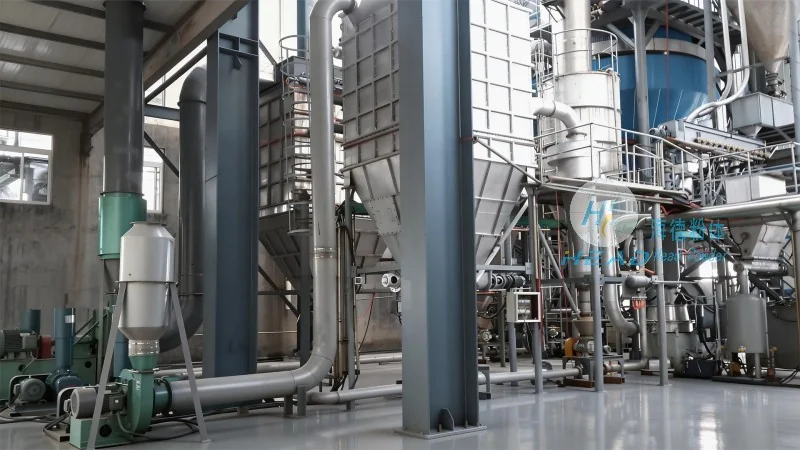
HeadPowder: Expert in Polyolefin Conveying Solutions
Shandong HeadPowder Engineering Co., Ltd. specializes in providing tailored pneumatic conveying solutions for polyolefin applications. With years of experience in the industry, HeadPowder understands the unique challenges associated with handling polyolefins, including their tendency to aggregate, static electricity buildup, and variations in bulk density. The company's engineering team leverages advanced technology and industry best practices to design systems that meet the specific needs of clients, ensuring optimal performance and longevity.
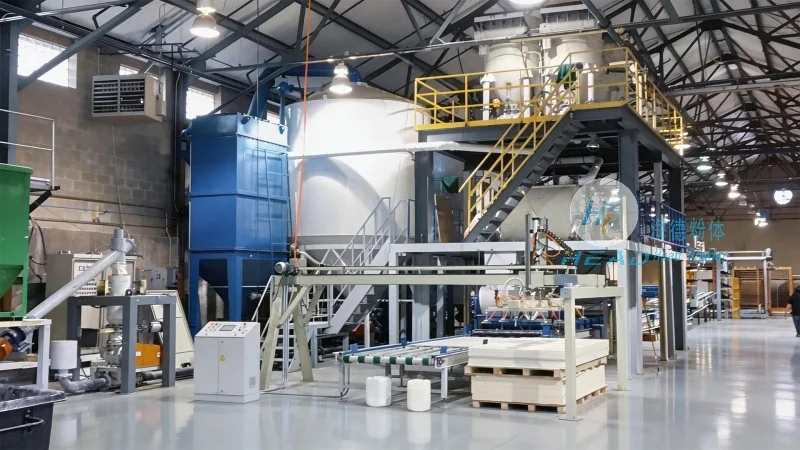
Key Design Considerations for Polyolefin Pneumatic Conveying
Several key factors must be addressed during the design phase to ensure the effectiveness of a polyolefin pneumatic conveying system. First, the selection of the appropriate conveying method—such as pressure or vacuum systems—depends on the material's characteristics and the distance to be conveyed. Pressure systems are typically used for longer distances or when high material flow rates are required, while vacuum systems are suitable for shorter distances or when gentle handling is needed to prevent material degradation. The choice of equipment, including the type of hopper, feeder, and pipeline, is also critical. For example, a rotary valve or screw feeder may be preferred over a simple gate valve to maintain consistent material flow and prevent blockages. Additionally, the material's moisture content and temperature must be considered, as these factors can affect its flowability and the risk of caking or degradation during transport.
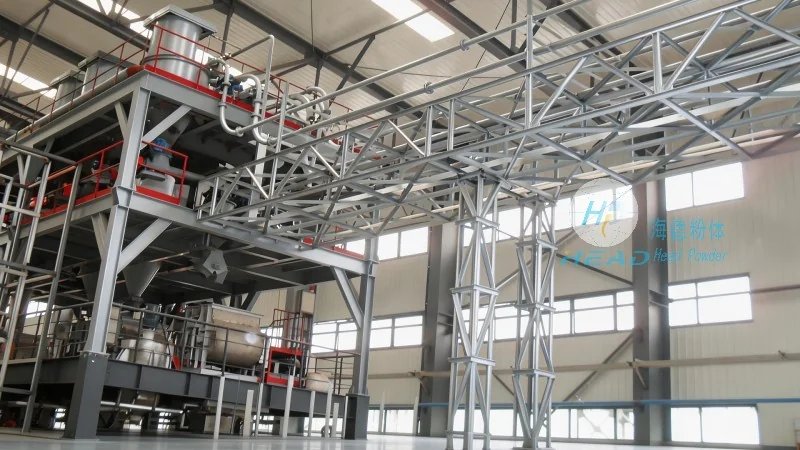
System Components and Their Role in Polyolefin Conveying
The polyolefin pneumatic conveying system consists of several key components, each playing a vital role in the overall operation. The hopper is the primary storage vessel, designed to hold the polyolefin material and provide a consistent feed to the feeder. The feeder, often a rotary valve or screw feeder, regulates the material flow rate, ensuring a steady supply to the conveying line. The pipeline, typically made of stainless steel or other corrosion-resistant materials, transports the material from the feeder to the discharge point. The conveying line may include components such as bends, elbows, or expansion joints to accommodate changes in direction or elevation. The receiver, or discharge hopper, collects the material at the end of the conveying line, allowing for further processing or storage. Each component must be selected based on the material's properties and the system's operating conditions to ensure compatibility and prevent issues such as corrosion, wear, or material degradation.
Optimizing System Performance and Efficiency
Optimizing the performance of a polyolefin pneumatic conveying system involves balancing several factors, including material flow rate, pressure drop, and energy consumption. The system's design must account for the material's bulk density and flowability, as these properties affect the required air velocity and pressure. For example, a higher air velocity may be needed to transport materials with lower bulk density or higher flow resistance. The pressure drop across the system components must be minimized to reduce energy consumption and prevent excessive wear on the equipment. Regular maintenance and monitoring of the system are also essential to ensure optimal performance. This includes checking for blockages, wear on components, and ensuring proper operation of the feeder and control systems. By addressing these factors, the system can achieve high efficiency, low maintenance costs, and reliable operation over its lifespan.
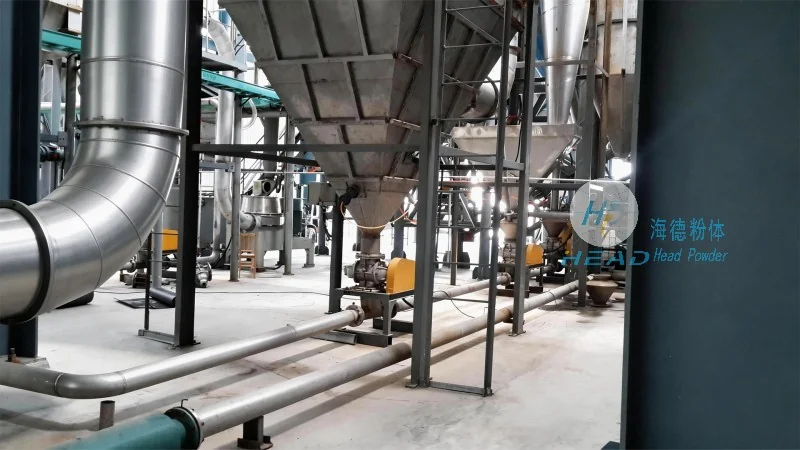
Conclusion and Company Overview
Designing a polyolefin pneumatic conveying system requires careful consideration of material properties, system components, and operational conditions. Shandong HeadPowder Engineering Co., Ltd. provides expert solutions tailored to the unique needs of polyolefin applications, ensuring efficient and reliable material handling. With a focus on quality and customer satisfaction, HeadPowder's engineering team designs systems that meet the highest standards of performance and durability. Based in Shandong, China, HeadPowder serves clients globally, offering customized solutions that address the specific challenges of polyolefin processing and conveying. By leveraging advanced technology and industry experience, HeadPowder helps clients optimize their operations and reduce costs associated with material handling.