

Design Considerations for Vanadium Oxide Pneumatic Conveying Systems
Vanadium oxide is a critical raw material in various industrial applications, and the efficient handling of this material through pneumatic conveying systems is essential for maintaining production efficiency and minimizing operational costs. For industries relying on vanadium oxide, selecting and designing an optimal pneumatic conveying system requires careful consideration of several key factors to ensure reliable and cost-effective material transport. This article outlines essential design considerations for vanadium oxide pneumatic conveying systems, focusing on practical aspects that can impact system performance and longevity, with insights from Shandong HeadPowder Engineering Co., Ltd., a leading provider of specialized material handling solutions.
Key Design Considerations for Vanadium Oxide Pneumatic Conveying Systems
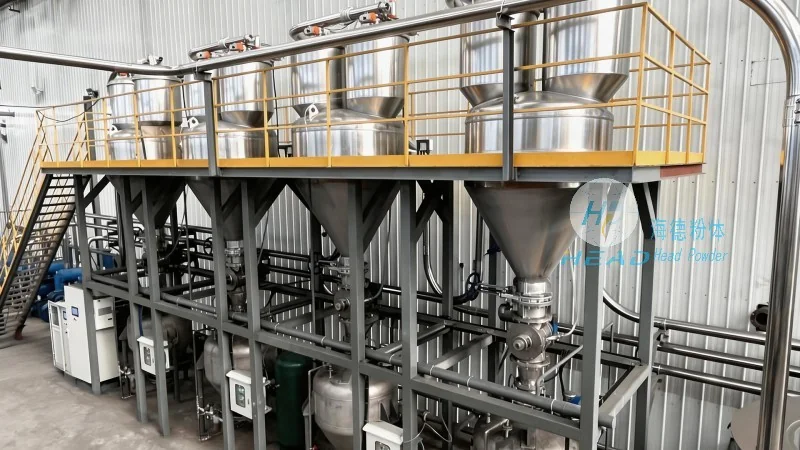
When designing a pneumatic conveying system for vanadium oxide, several critical factors must be evaluated to ensure the system meets operational requirements and maintains material integrity. The first consideration is the type of pneumatic conveying system, as different systems are suited to varying material properties and flow rates. For vanadium oxide, which is often a fine powder with specific bulk density and flow characteristics, a positive pressure system or a combination of positive and negative pressure may be appropriate. The choice of system type influences the overall design, including the selection of air compressors, ductwork, and material handling equipment.
Material Properties and System Compatibility
The physical and chemical properties of vanadium oxide play a significant role in system design. Vanadium oxide powders can be abrasive and may require specialized equipment to prevent wear and tear on system components. For instance, the hardness and particle size distribution of the material dictate the need for high-quality, wear-resistant materials in the hopper, feeder, and ductwork. Additionally, the material's reactivity with air or moisture may necessitate sealed systems or specific air filtration to prevent degradation. Understanding these properties allows engineers to select appropriate components that can withstand the material's characteristics and maintain system efficiency over time.
System Sizing and Flow Rate Optimization
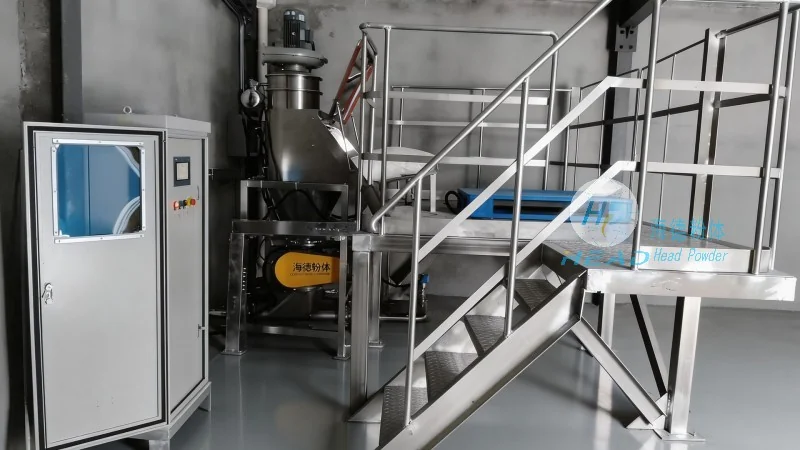
Accurate system sizing is crucial for the efficient operation of vanadium oxide pneumatic conveying systems. Over-sizing or under-sizing the system can lead to reduced material throughput, increased energy consumption, or even system failure. Engineers must calculate the required air volume and pressure based on the material's bulk density, flow rate, and the system's overall length and complexity. For vanadium oxide, which may have varying flow rates due to changes in moisture content or particle size, the system design should include adjustable components, such as variable speed feeders or pressure regulators, to accommodate these variations. Proper sizing also ensures that the system operates within the optimal pressure range, minimizing energy waste and maximizing material transport efficiency.
Pipeline Design and Component Selection
The design of the pipeline network is a critical aspect of vanadium oxide pneumatic conveying system performance. The pipeline layout should minimize bends, changes in direction, and vertical lifts to reduce pressure losses and prevent material buildup or blockages. For vanadium oxide, which can be prone to agglomeration, the use of smooth, corrosion-resistant materials for the ductwork is essential. Stainless steel or high-grade plastic pipes are commonly used to prevent material adhesion and ensure easy cleaning. Additionally, the selection of components such as rotary valves, cyclone separators, and dust collectors must be tailored to the material's properties. For example, rotary valves with wear-resistant liners are recommended to handle the abrasive nature of vanadium oxide, while cyclone separators with appropriate dimensions can effectively separate the material from the air stream.
Control Systems and Automation
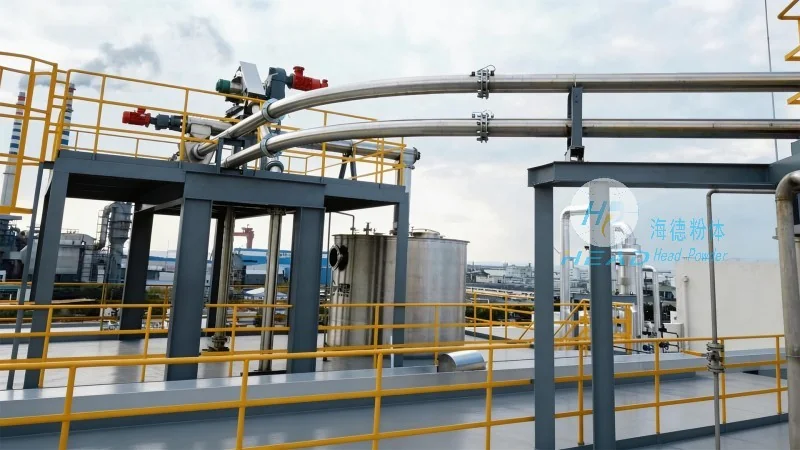
Modern pneumatic conveying systems for vanadium oxide often incorporate advanced control systems to enhance operational efficiency and safety. Automation allows for real-time monitoring of system parameters, such as pressure, flow rate, and material level, enabling quick adjustments to maintain optimal performance. For example, sensors can detect changes in material flow and automatically adjust the air pressure or feeder speed to prevent blockages or overloading. Additionally, automated shutdown sequences can be implemented to prevent system damage in case of malfunctions, such as air compressor failure or material buildup. The integration of control systems not only improves system reliability but also reduces the need for manual intervention, lowering labor costs and minimizing the risk of human error.
Installation and Maintenance Considerations
The successful operation of a vanadium oxide pneumatic conveying system also depends on proper installation and regular maintenance. During installation, it is essential to ensure that all components are properly aligned and secured to prevent vibrations or leaks that could affect system performance. Additionally, the system should be tested under load conditions to verify that it meets the design specifications. Regular maintenance, including cleaning of ductwork, replacement of wear parts, and inspection of air filters, is critical to maintain system efficiency and extend the lifespan of the equipment. For vanadium oxide, which can be abrasive, more frequent maintenance of components like rotary valves and cyclone separators may be required to prevent premature wear and failure.