

Design Considerations for Ceramic Powder Pneumatic Conveying Systems
Ceramic powder handling and transportation via pneumatic conveying systems require careful consideration of several key factors to ensure efficiency, reliability, and longevity of the equipment. The design of such systems must account for the unique properties of ceramic powders, including their particle size, density, and potential for abrasiveness, as well as the operational conditions and environmental requirements of the application. This article outlines essential design considerations for ceramic powder pneumatic conveying systems, emphasizing the importance of selecting appropriate equipment, material handling strategies, and system configurations to meet industrial demands.
Key Design Considerations for Ceramic Powder Pneumatic Conveying
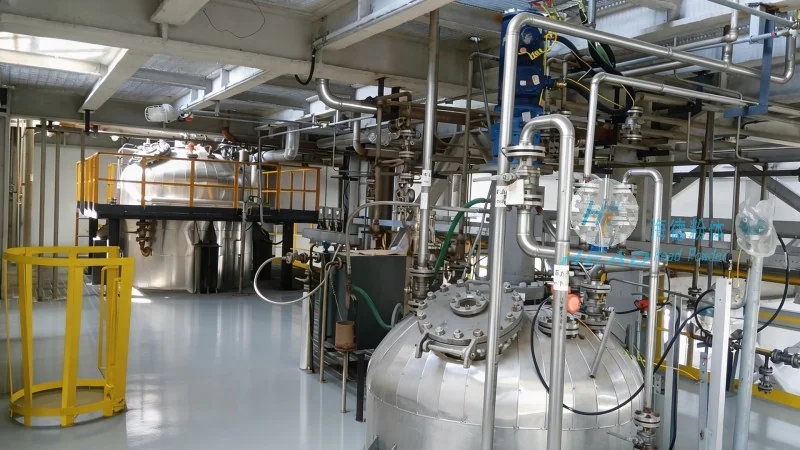
When designing a pneumatic conveying system for ceramic powders, several critical aspects must be addressed to optimize performance and minimize operational issues. First, the selection of the conveying method—whether dense phase or dilute phase—depends on the specific characteristics of the ceramic material. Dense phase conveying, which involves low air velocity and high solids concentration, is often preferred for abrasive or high-value ceramic powders to reduce wear on system components and prevent product degradation. Dilute phase systems, on the other hand, use higher air velocities and lower solids concentrations, making them suitable for less abrasive materials or applications where long-distance transport is required.
Material Selection and Equipment Durability
Given the abrasive nature of many ceramic powders, the selection of durable materials for system components is paramount. Components such as pipelines, valves, and pumps must be constructed from materials resistant to wear and corrosion, such as stainless steel, high-chrome alloys, or specialized ceramics. For example, the use of lined or coated pipes can extend the lifespan of the system by protecting against abrasive particle impact. Additionally, the design of components like rotary valves and check valves must consider the potential for particle buildup and blockage, incorporating features like self-cleaning mechanisms or anti-static coatings to maintain system efficiency.
System Sizing and Airflow Management
Proper sizing of the pneumatic conveying system is crucial for efficient operation. This involves calculating the required air volume and pressure based on the material's bulk density, particle size distribution, and the desired conveying velocity. The airflow rate must be sufficient to maintain a stable flow of ceramic powder while preventing excessive pressure drops that could lead to system inefficiencies or product degradation. HeadPowder, a leading provider of engineering solutions for material handling, emphasizes the importance of accurate system sizing to ensure optimal performance and energy efficiency.
Control and Monitoring Systems
Implementing robust control and monitoring systems is essential for maintaining the stability and reliability of ceramic powder pneumatic conveying systems. These systems typically include sensors for pressure, flow, and temperature, as well as control valves and automation software to regulate the conveying process. Real-time monitoring allows operators to detect anomalies, such as pressure drops or abnormal flow rates, and take corrective action promptly. Additionally, the integration of feedback loops helps maintain consistent material flow rates, ensuring that downstream processes receive a steady supply of ceramic powder without interruptions.
Environmental and Safety Considerations
Designing a pneumatic conveying system for ceramic powders also requires attention to environmental and safety factors. Dust control measures, such as proper sealing of equipment and the use of filtration systems, are critical to prevent airborne particle release and comply with environmental regulations. Additionally, safety features like explosion-proof components and emergency shut-off valves must be incorporated to protect personnel and equipment from potential hazards. The design must also consider the potential for static electricity buildup, as ceramic powders can be prone to generating static charges, which may lead to sparks and fire risks. Proper grounding and anti-static measures are therefore essential to ensure safe operation.
Integration with Downstream Processes
The pneumatic conveying system for ceramic powders should be seamlessly integrated with downstream processes, such as mixing, molding, or packaging, to ensure a smooth and continuous material flow. This integration involves matching the output of the conveying system with the input requirements of the subsequent equipment, including considerations for material temperature, moisture content, and particle size distribution. The design must also account for the potential for material segregation or agglomeration during transport, incorporating features like mixing sections or de-agglomeration devices to maintain the desired material properties.
Case Study: HeadPowder's Ceramic Powder Conveying Solution
Shandong HeadPowder Engineering Co., Ltd., a renowned manufacturer specializing in material handling solutions, has extensive experience in designing and implementing ceramic powder pneumatic conveying systems. The company's expertise lies in tailoring systems to meet the specific needs of clients, ensuring that each project is optimized for efficiency, durability, and cost-effectiveness. For instance, HeadPowder has successfully designed a dense phase conveying system for a client handling high-value ceramic powders, which reduced wear on system components by 40% and improved overall system efficiency by 25% compared to traditional dilute phase systems. The company's commitment to quality and innovation has made it a trusted partner for industries relying on reliable ceramic powder transportation solutions.
Conclusion
Designing an effective ceramic powder pneumatic conveying system requires a comprehensive approach that considers material properties, operational conditions, and system requirements. By addressing key design considerations such as conveying method selection, material durability, airflow management, and safety measures, engineers can develop systems that deliver reliable, efficient, and cost-effective performance. Companies like Shandong HeadPowder Engineering Co., Ltd. play a vital role in providing expert engineering solutions to meet the diverse needs of industries handling ceramic powders, ensuring that material transportation processes are optimized for success.