

Design Considerations for Soda Ash Pneumatic Conveying Systems
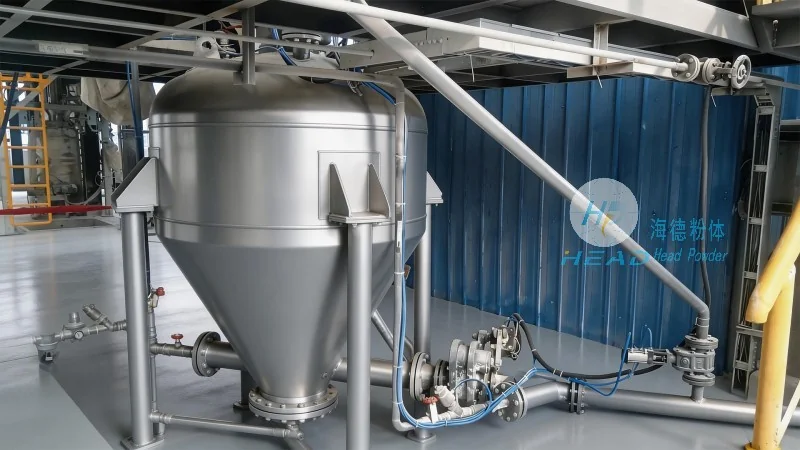
When designing a soda ash pneumatic conveying system, several critical factors must be considered to ensure efficient operation, reliability, and cost-effectiveness. The system's performance is directly influenced by the material properties of soda ash, such as its bulk density, flowability, and particle size distribution. These characteristics dictate the choice of conveying equipment, including the type of pneumatic conveyor (e.g., dilute phase or dense phase), and the necessary air pressure and flow rates. Proper system design also involves selecting appropriate components like air compressors, filters, and material handling equipment to handle the specific demands of soda ash transportation.
Material Characteristics and System Selection
The first step in designing a soda ash pneumatic conveying system is to thoroughly analyze the material's physical properties. Soda ash, also known as sodium carbonate, typically has a bulk density ranging from 800 to 1100 kg/m³, depending on its moisture content and particle size. Its flowability is moderate, and the material can be prone to bridging or caking in silos or hoppers if not properly managed. These characteristics affect the system's design, as bridging can lead to blockages and reduced conveying efficiency. Therefore, it is essential to incorporate features like vibration or aeration systems in the storage and feeding equipment to maintain consistent material flow. The particle size distribution of soda ash also plays a role; finer particles may require more careful control of air velocity to prevent dust generation and ensure uniform conveying.
System Configuration and Components
The configuration of a pneumatic conveying system for soda ash can vary based on the distance, height, and number of transfer points. Dilute phase systems are commonly used for short to medium distances, where air velocity is maintained above the material's terminal velocity to prevent deposition. These systems typically use positive pressure, where air is blown through the material, and negative pressure (suction) is less common due to the potential for material degradation or dust issues. Dense phase systems, on the other hand, are suitable for longer distances or when the material is sensitive to high air velocities. In dense phase systems, the material is conveyed in a slurry-like state, reducing the risk of dust and improving material integrity. The choice between these systems depends on the specific application, with dilute phase being more cost-effective for shorter runs and dense phase offering better control for longer or more critical applications.
Air Compressor and Filtration Requirements
For a soda ash pneumatic conveying system, the air compressor must be capable of delivering sufficient pressure and volume to maintain the required air velocity. The compressor type, such as rotary screw or centrifugal, affects the system's efficiency and noise levels. Rotary screw compressors are often preferred for their reliability and ability to handle varying loads, which is common in industrial applications. Filtration is a critical component to protect both the system and the environment from soda ash dust. High-efficiency particulate air (HEPA) filters or bag filters are typically used to capture fine particles, preventing them from entering the air compressor and the surrounding environment. Regular maintenance of the filtration system is essential to ensure optimal performance and prevent system downtime due to clogged filters.
Feeding and Discharge Equipment
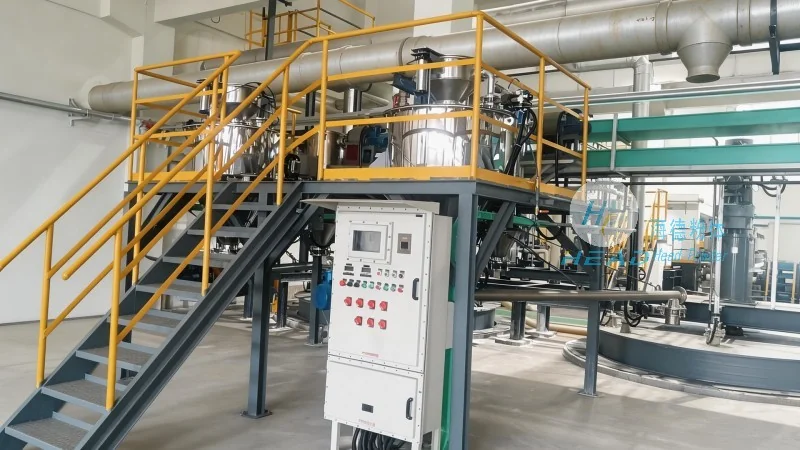
The feeding and discharge equipment in a soda ash pneumatic conveying system must be designed to handle the material's flow characteristics without causing blockages or excessive wear. Hoppers and feeders, such as rotary valves or star feeders, are commonly used to control the material flow rate. These devices should be sized appropriately to match the system's capacity and the material's bulk density. The discharge equipment, such as cyclones or filters, must be able to separate the material from the air stream efficiently. Cyclones are effective for separating larger particles, while filters are used for finer particles to prevent dust emissions. Proper maintenance of these components, including regular cleaning and inspection, is crucial to maintain system efficiency and prevent material buildup.
System Integration and Control
Integrating the soda ash pneumatic conveying system with other process equipment, such as storage silos or processing units, requires careful consideration of the overall system control. Automated control systems can optimize the operation of the conveying system, adjusting air pressure and flow rates based on real-time demand. This integration ensures that the system operates efficiently and reduces energy consumption. Additionally, monitoring equipment, such as pressure sensors and flow meters, should be installed to provide real-time data on system performance. This data can be used to identify potential issues early and prevent system failures, improving overall reliability and reducing maintenance costs.
Environmental and Safety Considerations
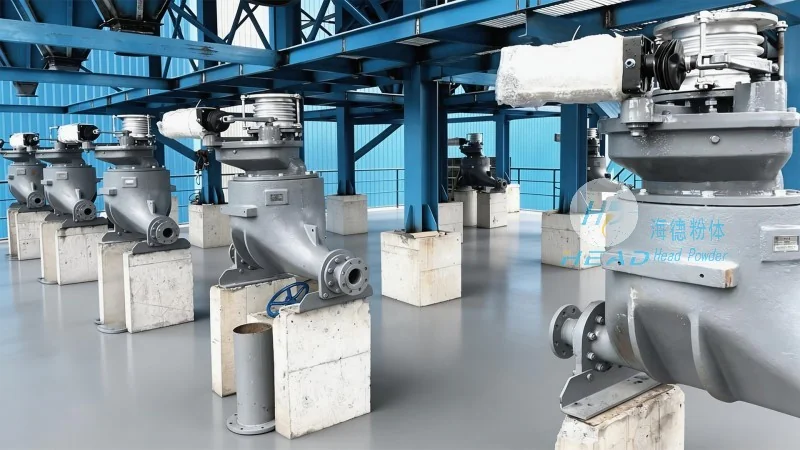
Designing a soda ash pneumatic conveying system must also address environmental and safety concerns. The system should be equipped with dust collection and filtration systems to comply with environmental regulations and protect the surrounding environment. Safety features, such as pressure relief valves and emergency shut-off systems, are essential to prevent accidents and ensure the safety of personnel. The material handling equipment should be designed to minimize the risk of dust exposure, with features like enclosed hoppers and sealed conveyor lines. Regular inspections and maintenance of the system are necessary to ensure that all safety features are functioning correctly and that the system operates within safe parameters.
Case Study: Successful Implementation by Shandong HeadPowder Engineering Co., Ltd.
Shandong HeadPowder Engineering Co., Ltd., a leading provider of industrial material handling solutions, has successfully designed and implemented soda ash pneumatic conveying systems for various clients. One notable project involved supplying a large chemical plant with a dilute phase system to transport soda ash from storage silos to processing units over a distance of 150 meters. The system was designed to handle a flow rate of 10 tons per hour, with a bulk density of 1000 kg/m³. The system included a rotary screw air compressor, a bag filter, and a star feeder, all of which were selected based on the material's properties and the client's requirements. The system has been in operation for over two years, with minimal downtime and high efficiency. This success demonstrates the importance of proper system design and the expertise of experienced engineers in ensuring reliable and cost-effective material handling solutions.
Conclusion
Designing a soda ash pneumatic conveying system requires a comprehensive approach that considers the material's properties, system configuration, and operational requirements. By carefully selecting the appropriate components and integrating them into a well-designed system, it is possible to achieve efficient, reliable, and cost-effective transportation of soda ash. The success of such systems depends on the expertise of engineers and the quality of the equipment used. For businesses looking to implement a soda ash pneumatic conveying system, partnering with a reputable engineering company like Shandong HeadPowder Engineering Co., Ltd. can ensure that the system is designed to meet their specific needs and operate at peak performance.