

Design Considerations for Pneumatic Conveying Systems of Rice Husk Ash
When designing a pneumatic conveying system for rice husk ash, several critical factors must be considered to ensure efficient operation, safety, and longevity of the equipment. The process involves understanding the material properties of rice husk ash, selecting appropriate components, and implementing proper system layout and control mechanisms. This article outlines key design considerations that can help optimize the performance of such systems.
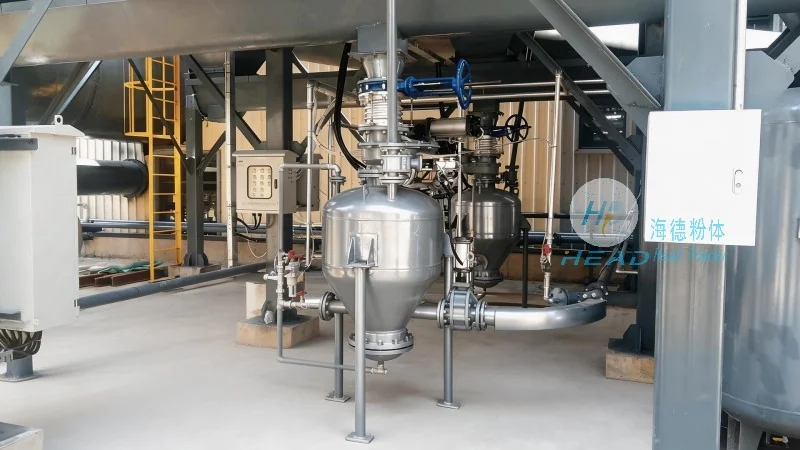
HeadPowder, a leading engineering company based in Shandong, China, specializes in the design and manufacturing of pneumatic conveying solutions tailored to the unique characteristics of rice husk ash. With years of experience in the field, HeadPowder's experts understand the challenges associated with handling this material, including its density, flowability, and potential for dust generation. By addressing these challenges through careful system design, HeadPowder ensures that clients achieve reliable and cost-effective material transport solutions.
One of the primary considerations in pneumatic conveying system design is the selection of the appropriate conveying method. Rice husk ash, being a light and often dusty material, is well-suited for both positive and negative pressure systems. Positive pressure systems, where air is blown through the pipeline, are commonly used for short to medium distances and can handle high material loads. Negative pressure systems, on the other hand, are ideal for longer distances and require careful management of dust emissions to comply with environmental regulations. The choice between these methods depends on the specific application, including the distance between the source and destination, the volume of material to be transported, and the need for dust control.
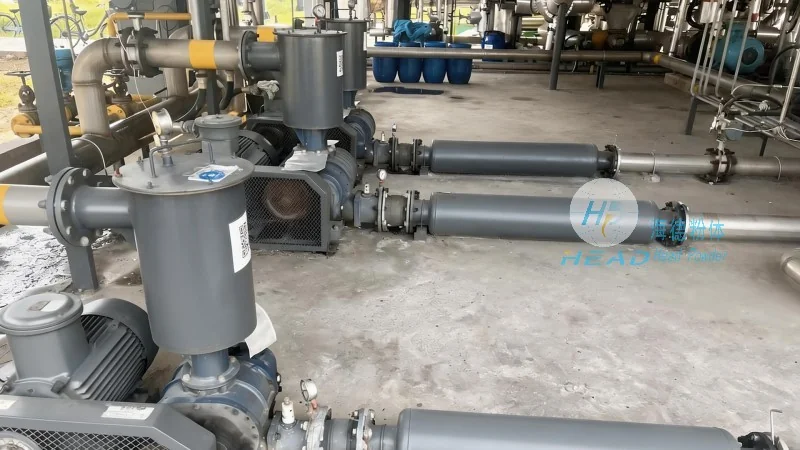
Material properties play a crucial role in determining the system's design. Rice husk ash typically has a low bulk density and can be prone to bridging or agglomeration in hoppers and silos. To prevent these issues, the system should include features such as hopper design with proper angles and vibrators to maintain material flow. Additionally, the selection of pipeline materials is critical. Corrosive properties of rice husk ash can affect the choice of materials, with stainless steel or corrosion-resistant alloys often preferred to prevent degradation over time. The diameter and length of the pipeline also impact system performance, as larger diameters reduce pressure drop and improve flow rates, while longer pipelines may require additional booster fans or pressure vessels to maintain sufficient air velocity.
System layout and component integration are essential for efficient operation. The placement of hoppers, silos, and conveying lines must be optimized to minimize material handling and energy consumption. For example, positioning the receiving hopper near the source and the discharge hopper near the processing plant can reduce the need for additional transfer equipment. The integration of dust collection systems is another critical aspect, as rice husk ash is a fine powder that can easily become airborne. Proper filtration and collection methods, such as cyclones or baghouses, are necessary to comply with air quality standards and protect the environment. The control system, including sensors for pressure, flow, and level, ensures that the system operates within safe and efficient parameters, automatically adjusting fan speed or material feed rate as needed.
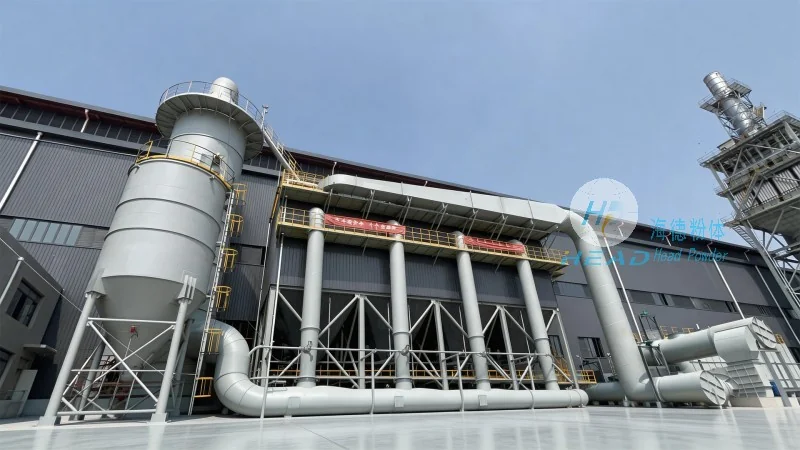
Energy efficiency is a key consideration in modern pneumatic conveying system design. By optimizing air velocity and reducing pressure drop through proper pipeline sizing and component selection, energy consumption can be minimized. Additionally, using variable frequency drives (VFDs) for fans allows for dynamic adjustment of air flow, matching the system's needs and reducing unnecessary energy use. This not only lowers operational costs but also contributes to a more sustainable operation. HeadPowder's expertise in energy-efficient design ensures that their systems provide long-term cost savings while maintaining high performance.
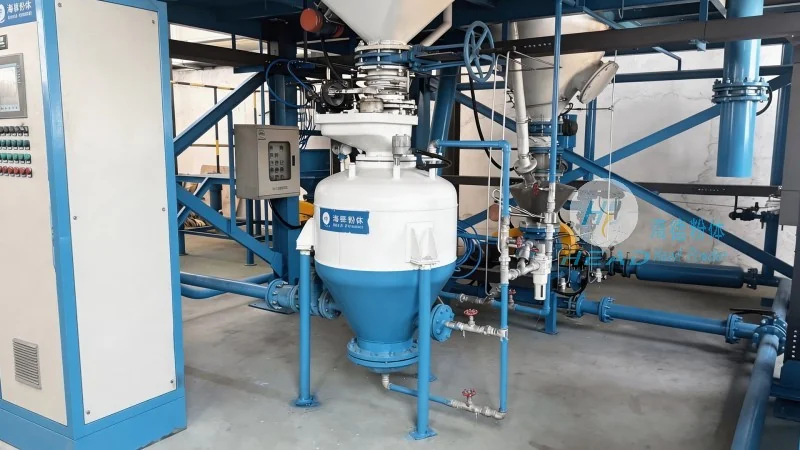
Safety and maintenance are integral parts of system design. Rice husk ash can be a respiratory irritant and may cause dust explosions under certain conditions. Therefore, the system must include safety features such as explosion-proof fans, dust collection systems, and proper grounding to prevent static buildup. Regular maintenance is also essential to ensure the system operates reliably. This includes routine checks of fan performance, pipeline integrity, and component wear. HeadPowder provides comprehensive maintenance services and spare parts support to help clients keep their systems in optimal condition, minimizing downtime and extending the equipment's lifespan.
In conclusion, designing a pneumatic conveying system for rice husk ash requires a thorough understanding of material properties, system components, and operational requirements. By addressing key considerations such as conveying method, material handling, system layout, energy efficiency, and safety, engineers can develop a reliable and efficient system. HeadPowder, with its expertise and commitment to quality, offers tailored solutions that meet the specific needs of clients, ensuring successful material transport and processing of rice husk ash. For those seeking a partner in designing and implementing pneumatic conveying systems, HeadPowder stands ready to provide expert guidance and support.