

Design Considerations for Dry Sludge Pneumatic Conveying Systems
When designing a dry sludge pneumatic conveying system, several critical factors must be considered to ensure efficient, reliable, and cost-effective operation. The system's performance and longevity depend heavily on proper planning and execution of key design elements. This article outlines essential considerations for engineers and project managers involved in the development of such systems, with a focus on practical solutions and industry best practices.
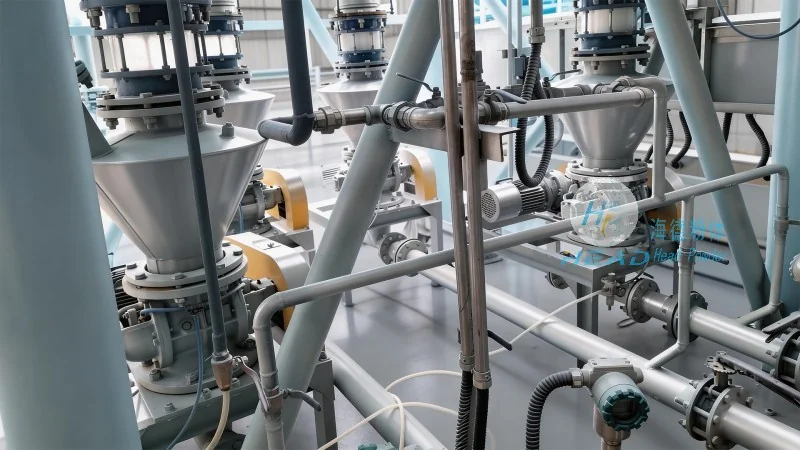
System Type Selection: Positive Displacement vs. Dilute Phase
Choosing the appropriate system type is the first and most crucial decision in sludge pneumatic conveying design. Two primary categories exist: positive displacement and dilute phase systems. Positive displacement systems, such as rotary lobe or screw pumps, are ideal for handling high-density, abrasive materials like dry sludge. They provide consistent flow rates and can handle varying particle sizes and moisture content. Dilute phase systems, on the other hand, rely on high-velocity air to transport particles in a suspended state. These systems are suitable for lighter, less abrasive materials but may require larger ducts and higher air volumes. The selection should be based on the specific characteristics of the sludge, including its density, particle size distribution, and moisture content. For instance, if the sludge is highly abrasive and has a high solids concentration, a positive displacement system may be more appropriate to prevent wear and ensure stable operation.
Pipeline Design and Sizing: Material and Diameter Considerations
The design of the conveying pipeline is critical to the system's performance. The choice of pipeline material must withstand the corrosive and abrasive nature of dry sludge. Common materials include stainless steel, carbon steel with protective coatings, and high-density polyethylene (HDPE). Stainless steel is preferred for its durability and resistance to corrosion, especially when the sludge contains acidic or alkaline components. The diameter of the pipeline is determined by the required flow rate and the velocity of the conveying air. The velocity should be maintained above the minimum fluidization velocity to prevent particle settling but below the maximum velocity to avoid excessive pressure drop and wear. Proper sizing ensures that the system operates efficiently without excessive energy consumption or equipment damage. For example, a 100 mm diameter pipeline might be suitable for a small-scale system with a flow rate of 1 ton per hour, while a larger system may require a 200 mm or 300 mm diameter pipeline to handle higher flow rates.
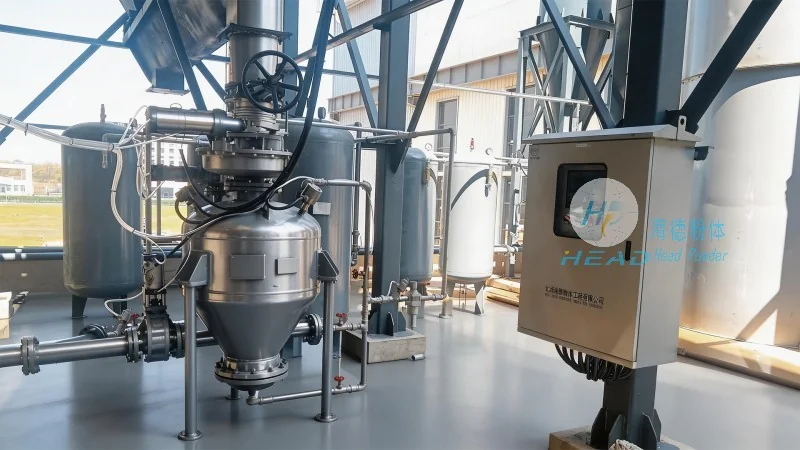
Air Source and Compressor Selection: Pressure and Flow Requirements
The air source and compressor are the heart of the pneumatic conveying system. The compressor must provide sufficient pressure and flow rate to overcome the resistance in the pipeline and transport the sludge particles. Positive displacement compressors are commonly used for this application due to their ability to maintain consistent pressure and flow, even with varying load conditions. The pressure required depends on the pipeline length, elevation changes, and the number of bends and fittings. Typically, pressures range from 5 to 15 bar, with higher pressures needed for longer or more complex systems. The flow rate of the compressor must match the system's air demand, which is influenced by the pipeline diameter, velocity, and the solids loading ratio. A higher solids loading ratio (e.g., 20-30% by weight) requires more air to maintain particle suspension. Proper selection of the compressor ensures that the system operates within its optimal range, reducing energy costs and extending equipment life.
Material Handling and Wear Protection: Preventing System Failure
Wear is a major concern in dry sludge pneumatic conveying systems due to the abrasive nature of the material. To mitigate wear, several design strategies are employed. The pipeline and fittings are often lined with wear-resistant materials such as rubber, polyurethane, or ceramic. These materials reduce friction and extend the life of the system components. Additionally, the use of smooth, rounded bends and elbows minimizes turbulence and wear. The compressor and other moving parts are equipped with wear-resistant coatings or materials, such as hardened steel or tungsten carbide. Regular maintenance, including inspections and replacement of worn parts, is essential to prevent system downtime and costly repairs. For instance, a system using ceramic-lined elbows can handle abrasive sludge for longer periods compared to unlined steel elbows.
Control Systems and Automation: Ensuring Safe and Efficient Operation
Modern dry sludge pneumatic conveying systems often incorporate advanced control systems to enhance safety and efficiency. These systems include pressure sensors, flow meters, and level indicators to monitor the system's performance in real-time. Automation allows for remote operation and adjustment of parameters such as air pressure and flow rate, reducing the need for manual intervention. Safety features, such as pressure relief valves and emergency shut-off systems, are integrated to prevent over-pressurization and other hazards. The control system can also be programmed to optimize energy consumption by adjusting the compressor speed based on the system's load. This not only reduces operational costs but also extends the life of the equipment. For example, a system with a variable frequency drive (VFD) compressor can adjust its speed to match the actual air demand, saving up to 30% in energy costs compared to a fixed-speed system.
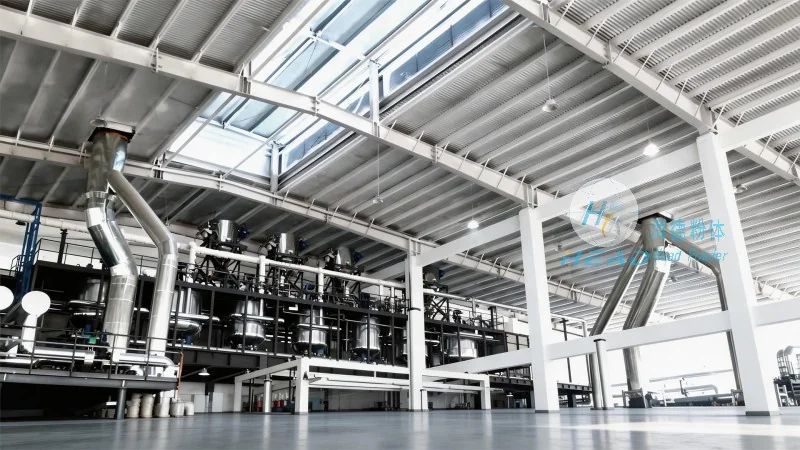
Environmental and Regulatory Compliance: Mitigating Environmental Impact
Designing a dry sludge pneumatic conveying system must also consider environmental and regulatory requirements. The system should be designed to minimize dust emissions and noise pollution. Dust collection systems, such as cyclones or baghouses, are often installed at the discharge point to capture fine particles and prevent their release into the environment. The system's operation should comply with local air quality regulations and noise standards. Additionally, the design should account for the potential for odors from the sludge, which may require odor control measures such as activated carbon filters or biofilters. Proper ventilation and enclosure of the system can also help reduce odor emissions. Compliance with these regulations ensures that the system operates in an environmentally responsible manner and avoids potential fines or legal issues.
Case Study: Successful Implementation by Shandong HeadPowder Engineering Co., Ltd.
Shandong HeadPowder Engineering Co., Ltd., a leading provider of engineering solutions for waste management systems, has successfully implemented dry sludge pneumatic conveying systems in various industrial and municipal applications. One notable project involved the design and installation of a system for a wastewater treatment plant in Shandong, China. The system was designed to transport dry sludge from the dewatering unit to the incineration facility, with a required flow rate of 2 tons per hour and a pipeline length of 500 meters. The system utilized a positive displacement rotary lobe pump and stainless steel pipelines with ceramic-lined elbows. The control system included pressure sensors and a VFD compressor to optimize energy consumption. The system has been in operation for over three years, achieving high efficiency and low maintenance costs. The success of this project highlights the importance of proper design considerations and the expertise of engineering companies like Shandong HeadPowder in delivering reliable and sustainable solutions for dry sludge handling.