

Design Considerations for Pneumatic Conveying Systems Handling Shredded Paper and Dust
When designing a pneumatic conveying system for shredded paper and dust, several critical factors must be considered to ensure efficiency, reliability, and cost-effectiveness. The process involves selecting appropriate equipment, understanding material properties, and implementing proper system controls. This article outlines key design considerations that can help engineers and operators achieve optimal performance in their applications.
Material Characteristics and Flow Properties
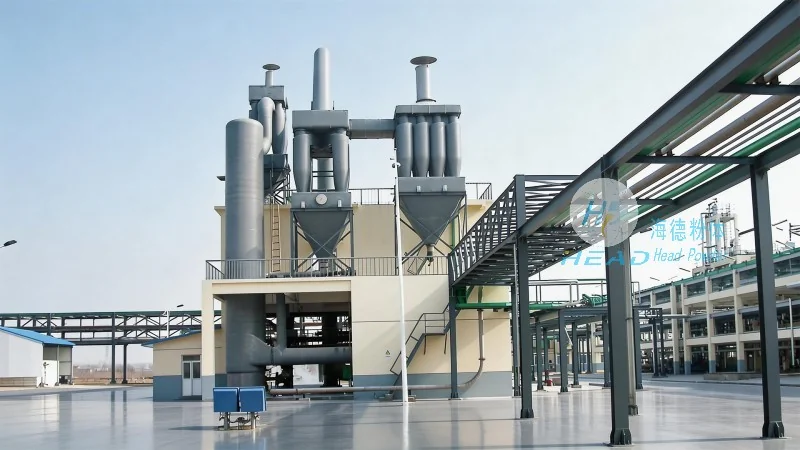
The first step in designing a pneumatic conveying system is to thoroughly analyze the material being transported. Shredded paper and dust often have unique characteristics such as low bulk density, high moisture content, and variable particle sizes. These properties directly impact the system's air velocity requirements, pressure drop, and overall energy consumption. For instance, materials with high moisture content may require additional drying steps or specialized ductwork to prevent clogging and ensure smooth flow. Understanding the material's flowability, cohesion, and tendency to form agglomerates is essential for selecting the right conveying method—whether it's dilute phase, dense phase, or a hybrid approach.
System Sizing and Airflow Calculations
Accurate system sizing is paramount to avoid under- or over-designing the equipment. Engineers must calculate the required air volume and pressure based on the material's specific gravity, particle size distribution, and the system's layout. This involves determining the minimum and maximum air velocities needed to maintain a stable flow. For shredded paper, typical air velocities range from 20 to 30 meters per second in dilute phase systems, while dense phase systems may operate at lower velocities (5 to 15 m/s) to minimize particle degradation. The pressure drop across the system must also be calculated to ensure the compressor can provide sufficient pressure, considering factors like duct length, fittings, and bends. Proper sizing prevents energy waste and reduces the risk of system failure due to excessive pressure or insufficient airflow.
Equipment Selection and Component Integration
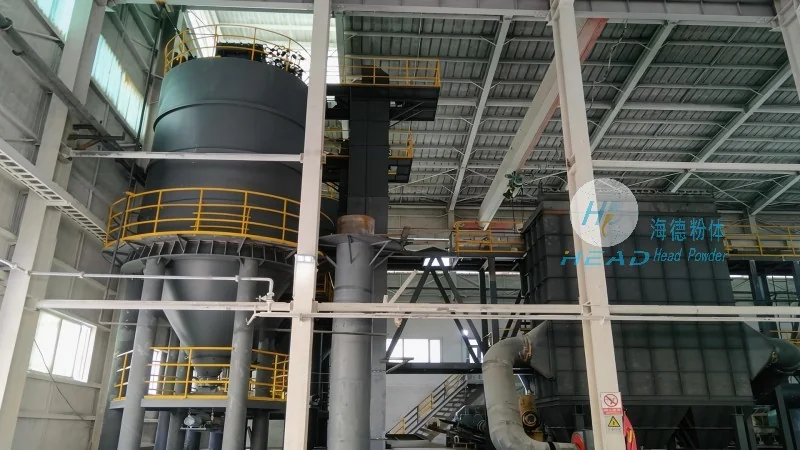
Choosing the right components is critical for the longevity and performance of the pneumatic conveying system. Key equipment includes the air compressor, feeders, ductwork, and separation devices. The air compressor must be capable of delivering the required pressure and volume, with options like rotary lobe or screw compressors often preferred for their efficiency and low maintenance. Feeders, such as rotary valves or screw feeders, are essential for controlling the material feed rate and preventing surges that could disrupt the system. Ductwork design is another critical aspect, as the material's properties dictate the duct size and material. For abrasive or corrosive materials, stainless steel or coated ducts are recommended to extend the system's lifespan. Separation devices, like cyclones or filters, are necessary to remove dust from the air stream and prevent contamination of downstream equipment. Proper integration of these components ensures smooth material transfer and reduces maintenance costs.
System Controls and Automation
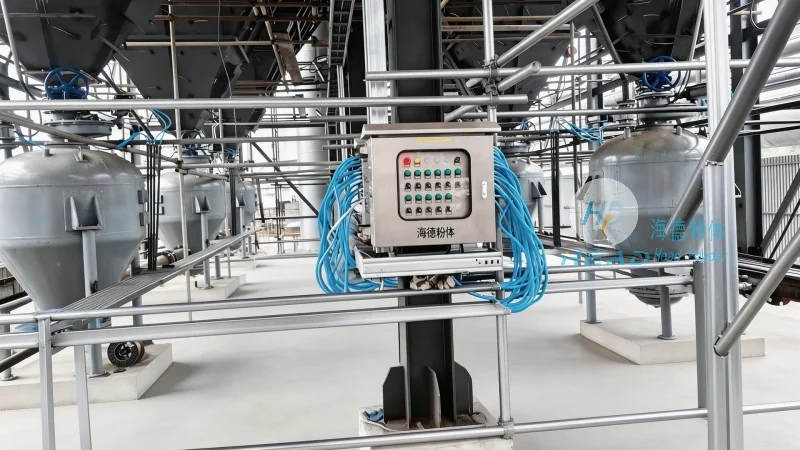
Implementing effective controls and automation is vital for maintaining consistent operation and optimizing energy use. Modern pneumatic conveying systems often incorporate programmable logic controllers (PLCs) and sensors to monitor key parameters such as pressure, flow rate, and material level. These controls can adjust the air compressor speed or feed rate in real-time, responding to changes in material conditions or system demand. For example, if the system detects a pressure drop, it can automatically increase the air volume to maintain flow. Additionally, automation reduces the need for manual intervention, minimizing human error and improving overall system reliability. Proper control strategies also help in energy management, as the system can adjust its operation based on the actual demand, leading to significant cost savings over time.
Installation and Maintenance Considerations
The installation process and ongoing maintenance are crucial for the long-term performance of the pneumatic conveying system. Proper alignment of ductwork and components is essential to prevent vibrations and wear. Ducts should be supported at regular intervals to avoid sagging, which can cause pressure losses and material buildup. Regular maintenance, including cleaning of filters, checking for leaks, and inspecting components for wear, is necessary to prevent system failures. For systems handling shredded paper and dust, which can be abrasive, regular inspection of ducts and fittings is recommended to detect early signs of wear. Additionally, ensuring proper sealing of connections and avoiding leaks helps maintain system efficiency and reduces energy consumption. A well-maintained system not only operates more reliably but also extends its service life, providing a better return on investment.
Environmental and Safety Considerations
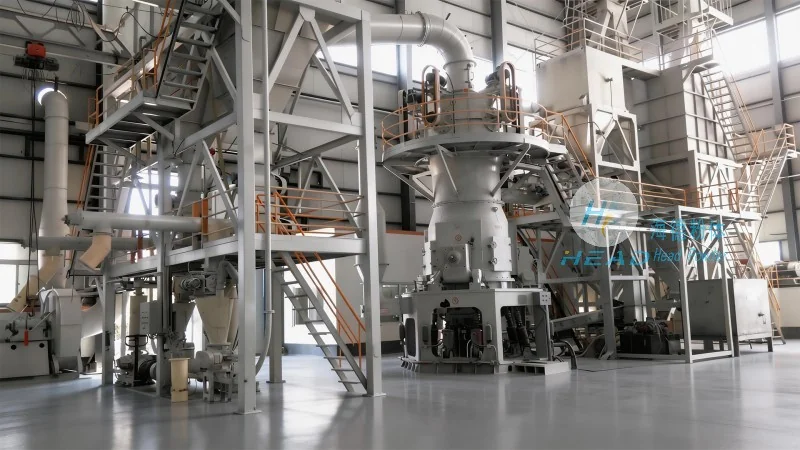
Environmental and safety considerations are integral to the design of any pneumatic conveying system. Dust emissions must be controlled to comply with local regulations and protect the environment. This often involves installing high-efficiency filters or cyclones to capture dust before it is released into the air. Additionally, proper ventilation and dust collection systems are necessary to maintain a safe working environment for operators. Safety features such as pressure relief valves and emergency shut-off mechanisms are also critical to prevent accidents and ensure the system operates within safe limits. By addressing these considerations from the design phase, engineers can create a system that is not only efficient but also environmentally responsible and safe for all users.
Case Study: Successful Implementation by Shandong HeadPowder Engineering Co., Ltd.
Shandong HeadPowder Engineering Co., Ltd., a leading provider of pneumatic conveying solutions, has successfully implemented numerous systems for handling shredded paper and dust. One notable project involved a large-scale recycling facility in China, where the company designed a dense phase pneumatic conveying system to transport shredded paper from a storage silo to a processing plant. The system was engineered to handle high moisture content and variable particle sizes, ensuring consistent flow and minimal downtime. By carefully analyzing the material properties and calculating the required air velocity and pressure, the engineers at HeadPowder optimized the system for energy efficiency. The implementation resulted in a 20% reduction in energy consumption compared to traditional systems, while maintaining high material transfer rates. This success highlights the importance of proper design and engineering in achieving optimal performance for pneumatic conveying systems.