

Design Considerations for Cotton Fiber Pneumatic Conveying Systems
Efficient and reliable cotton fiber handling is crucial for industries that rely on this raw material, and the design of a pneumatic conveying system plays a pivotal role in achieving optimal performance. For businesses operating in the textile or agricultural sectors, selecting the right system design can significantly impact production efficiency, material quality, and operational costs. This article outlines key design considerations for cotton fiber pneumatic conveying systems, emphasizing practical insights that can help engineers and facility managers make informed decisions.
System Selection and Material Compatibility
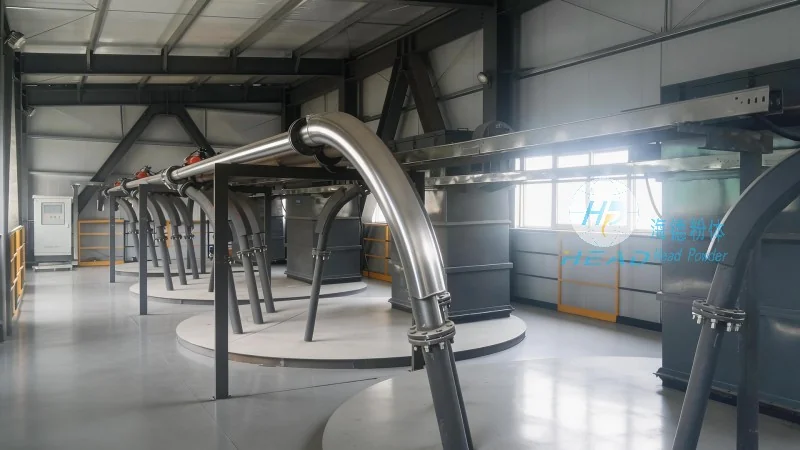
When designing a cotton fiber pneumatic conveying system, the first critical step is selecting the appropriate system type based on the specific characteristics of the cotton fibers and the operational requirements of the facility. Cotton fibers are known for their low bulk density and high moisture content, which can affect the flow characteristics and system performance. HeadPowder, a leading engineering company based in Shandong, China, specializes in customizing pneumatic conveying solutions tailored to the unique properties of cotton. Their expertise in material science and fluid dynamics ensures that the selected system—whether a pressure or vacuum type—optimizes air usage and minimizes energy consumption. For instance, pressure systems are often preferred for long-distance or high-volume transport due to their ability to handle abrasive materials and maintain consistent flow rates. The choice of material for the conveying pipeline is equally important; stainless steel or corrosion-resistant alloys are recommended to prevent degradation from moisture and organic compounds present in cotton fibers. HeadPowder’s design team considers these factors to ensure the system’s longevity and reliability.
Pressure and Flow Control Mechanisms
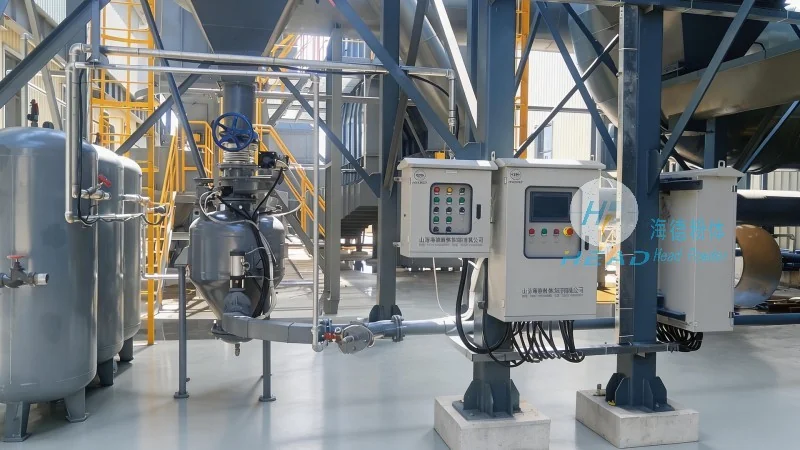
Effective pressure and flow control are essential to prevent system overload, material degradation, and equipment damage in cotton fiber pneumatic conveying systems. Overpressurization can lead to fiber breakage or system failure, while insufficient pressure may cause blockages or reduced throughput. HeadPowder employs advanced control technologies, such as variable frequency drives (VFDs) and pressure sensors, to regulate air flow and maintain optimal pressure levels. These systems allow for real-time monitoring and adjustment, ensuring that the conveying process remains stable even under varying load conditions. For example, in a facility processing raw cotton, the system may need to handle fluctuations in fiber moisture content, which can affect air resistance. The integration of sensors that detect moisture levels enables the control system to automatically adjust air volume, maintaining consistent material transport. Additionally, the use of rotary airlocks and check valves at the inlet and outlet of the system prevents backflow and maintains positive pressure, which is critical for preventing dust emissions and ensuring a clean working environment. HeadPowder’s engineers design these control mechanisms to align with industry standards, such as ASME or ISO, ensuring compliance and safety.
Material Handling and Equipment Durability
The durability of conveying equipment is a key consideration when handling cotton fibers, as these materials can be abrasive and prone to causing wear on metal surfaces. HeadPowder recommends using high-quality, wear-resistant components, such as hardened steel or ceramic-lined parts, to extend the lifespan of the system. The design of the hopper and feed mechanism is particularly important, as improper feeding can lead to agglomeration or blockages. Their engineers often incorporate vibratory feeders or screw conveyors to ensure a consistent and controlled flow of cotton fibers into the system. These components minimize the risk of material buildup and ensure that the system operates at its designed capacity. Furthermore, the use of air filtration systems is essential to maintain air quality and protect downstream equipment from dust and debris. HeadPowder’s systems include high-efficiency particulate air (HEPA) filters that capture fine cotton fibers, preventing them from entering the facility’s air and reducing the risk of respiratory issues for workers. The combination of durable materials and advanced filtration technology ensures that the system remains efficient and safe over the long term.
Maintenance and Operational Efficiency
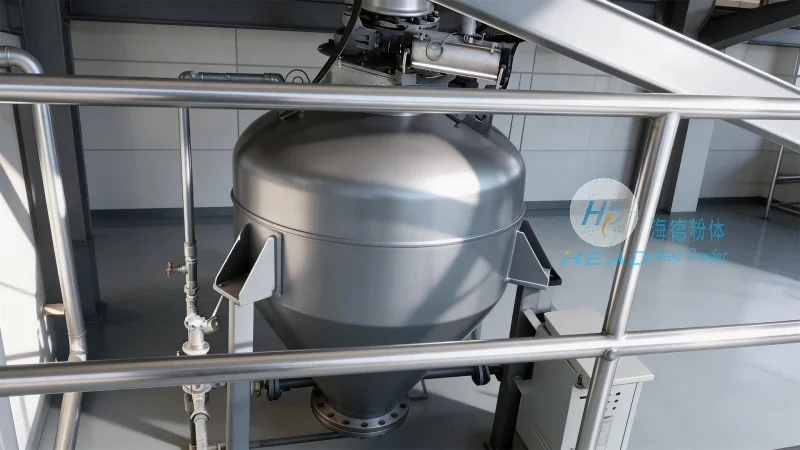
Regular maintenance is critical to the longevity and performance of cotton fiber pneumatic conveying systems. HeadPowder emphasizes the importance of establishing a preventive maintenance schedule that includes inspections of air filters, rotary airlocks, and pressure sensors. These components are often the first to show signs of wear and can impact system efficiency if not replaced or serviced promptly. For example, a clogged air filter can increase pressure drop, leading to higher energy consumption and reduced throughput. The company’s maintenance team provides comprehensive training to facility staff on how to perform routine checks and identify potential issues early. This proactive approach helps minimize downtime and ensures that the system operates at peak performance. Additionally, HeadPowder offers customized maintenance packages tailored to the specific needs of each client, including on-site inspections and spare parts availability. By prioritizing maintenance, businesses can extend the lifespan of their equipment and reduce long-term operational costs. The company’s commitment to customer support extends beyond the initial system installation, providing ongoing assistance to ensure optimal system performance.
Environmental and Safety Considerations
Environmental and safety considerations are integral to the design of cotton fiber pneumatic conveying systems, particularly in facilities where dust and particulate matter are a concern. HeadPowder incorporates features such as enclosed conveying lines and local exhaust ventilation to minimize dust emissions and comply with environmental regulations. The use of sealed hoppers and feed mechanisms prevents dust from escaping into the workplace, reducing the risk of respiratory illnesses and improving overall air quality. Additionally, the system design includes safety interlocks that automatically shut down the system in case of blockages or overpressure, preventing accidents and protecting workers. HeadPowder’s engineers adhere to international safety standards, such as OSHA or CE, to ensure that their systems are safe for operation. The company also provides training on proper handling of cotton fibers and the use of personal protective equipment (PPE) to further enhance workplace safety. By prioritizing environmental and safety aspects, businesses can operate their cotton fiber processing facilities responsibly and sustainably.