

Design Considerations for Cement Fly Ash and Mineral Powder Pneumatic Conveying Systems
When designing a pneumatic conveying system for transporting cement, fly ash, and mineral powders, several critical factors must be considered to ensure efficiency, reliability, and cost-effectiveness. These materials are often used in construction and industrial applications, and the proper design of the conveying system is essential for maintaining product quality and operational performance. This article outlines key design considerations for such systems, focusing on the technical and practical aspects that engineers and operators need to address.
System Selection and Material Properties
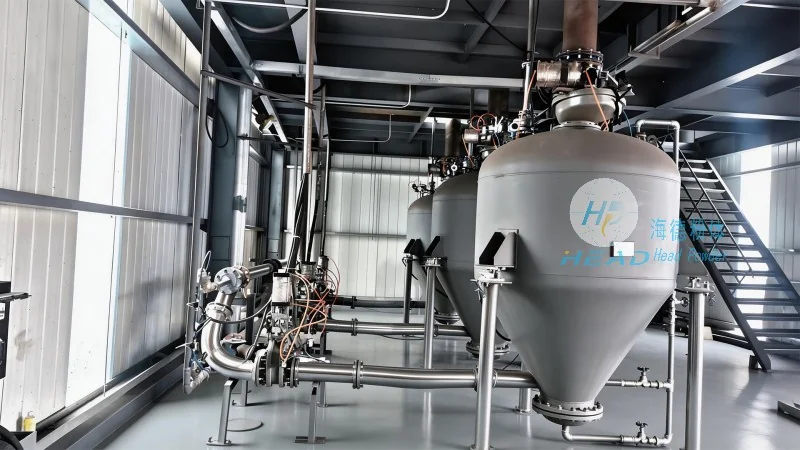
The first step in designing a pneumatic conveying system is to evaluate the properties of the materials being transported. Cement, fly ash, and mineral powders vary in particle size, density, moisture content, and flowability. These characteristics directly impact the choice of conveying method—such as dilute phase or dense phase—and the system's components, including the blower, ductwork, and separation equipment. For example, fine powders like fly ash may require higher air velocities to prevent clogging, while coarser materials like cement may benefit from a combination of air and pressure to maintain flow. Understanding the material's behavior under different conditions is crucial for selecting the appropriate system configuration.
Blower and Airflow Management
The blower is the heart of any pneumatic conveying system, responsible for generating the necessary airflow to move the material. The choice of blower—such as a centrifugal or positive displacement type—depends on the system's pressure and flow requirements. For dilute phase systems, which are common for transporting fine powders over short to medium distances, a centrifugal blower is often used due to its efficiency and ability to handle large volumes of air. In contrast, dense phase systems, which are suitable for longer distances or more abrasive materials, may require a positive displacement blower to maintain higher pressure and control the material's velocity. Proper airflow management also involves considering the system's pressure drop across the ductwork and the need for air filtration to prevent dust accumulation and maintain air quality.
Ductwork Design and Layout
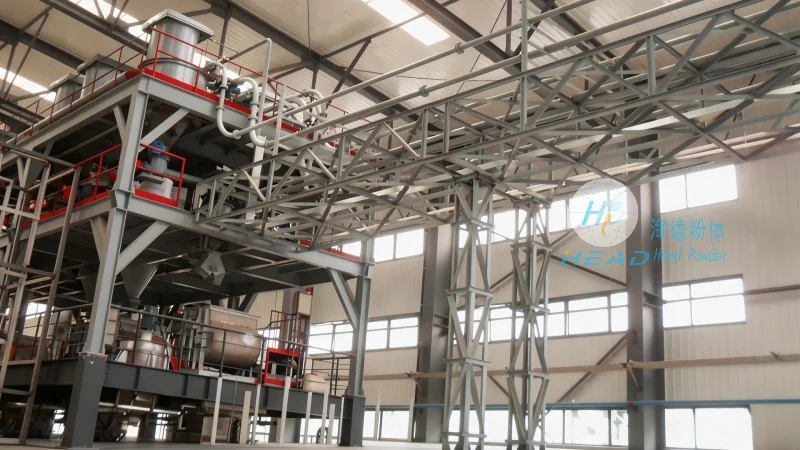
Ductwork design is a critical aspect of pneumatic conveying system performance. The layout should minimize bends, elbows, and changes in direction to reduce pressure losses and prevent material buildup. The size and material of the ducts are also important considerations. For example, larger ducts are needed for high-volume systems, while smaller ducts may be used for shorter runs. The duct material must be resistant to corrosion and abrasion, as cement and fly ash can be corrosive and abrasive over time. Additionally, the ductwork should be designed to accommodate the material's flow characteristics, such as the need for horizontal or vertical sections, and to include features like expansion joints to accommodate thermal changes and reduce stress on the system.
Material Handling and Separation
Effective material handling and separation are essential for maintaining the quality of the conveyed powders and preventing system blockages. The system should include components like cyclones or filters to separate the material from the air stream, ensuring that the material is collected in a clean and dry state. For systems handling cement and fly ash, which are often used in concrete production, the separation process must be efficient to avoid contamination and ensure the material meets quality standards. Additionally, the system should include features like surge hoppers or feeders to control the flow of material into the ductwork, preventing overloading and maintaining consistent performance. Proper maintenance of these components is also critical to prevent clogging and ensure long-term system reliability.
Control Systems and Automation
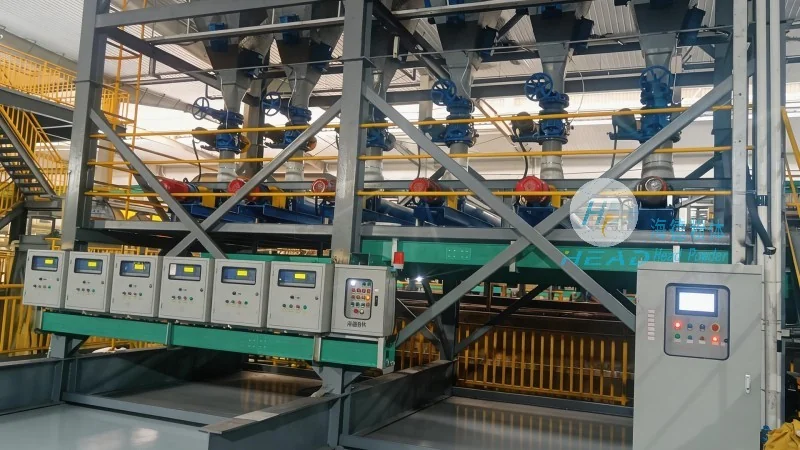
Modern pneumatic conveying systems often incorporate advanced control systems and automation to enhance performance and reduce operational costs. These systems can include sensors to monitor pressure, flow, and material levels, as well as control valves to adjust airflow and pressure as needed. Automation can help optimize the system's operation, reduce energy consumption, and improve safety by preventing overpressure or material buildup. For example, a control system may adjust the blower speed based on the material's flow rate, ensuring that the system operates at peak efficiency. Additionally, automation can help with maintenance scheduling, alerting operators to potential issues before they become major problems. The integration of control systems with the overall production process can also improve overall plant efficiency and reduce downtime.
Installation and Maintenance Considerations
Proper installation and regular maintenance are essential for the long-term performance and reliability of a pneumatic conveying system. The system should be installed by experienced professionals who understand the material's properties and the system's requirements. During installation, it is important to ensure that all components are properly aligned and secured to prevent vibration and wear. Regular maintenance, including cleaning of ducts, blower components, and separation equipment, is necessary to prevent clogging and maintain system efficiency. Additionally, the system should be inspected periodically for signs of wear or damage, such as corrosion or abrasion, and repaired or replaced as needed. Proper maintenance can extend the system's lifespan and reduce the risk of unexpected failures, ensuring consistent performance over time.