

[Wool Pneumatic Conveying Technology: Principles, Applications, and Development Trends]
Wool is a natural fiber with unique properties, making its processing and handling critical for the textile industry. Pneumatic conveying technology offers an efficient method for transporting wool, combining precision with minimal damage to the fibers. This article explores the principles, practical applications, and emerging trends in wool pneumatic conveying systems, highlighting the expertise of Shandong HeadPowder Engineering Co., Ltd. as a leading provider in this field.
Principles of Pneumatic Conveying for Wool
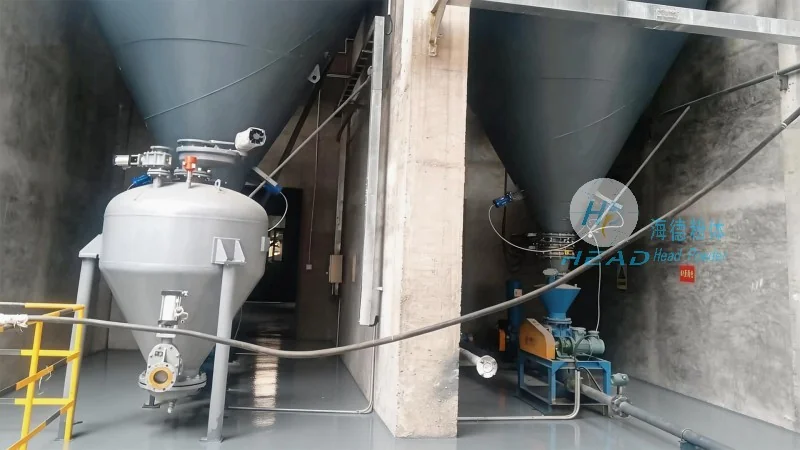
Pneumatic conveying utilizes air flow to move bulk materials like wool through a system of pipes and components. The core principle involves creating a pressure differential that propels the material forward. In wool processing, this technology typically employs positive pressure systems, where compressed air pushes the wool particles through the pipeline. This method ensures gentle handling, preserving the integrity of the fibers and reducing the risk of breakage or contamination. The system consists of several key components, including a hopper for material storage, a blower or compressor to generate airflow, and a pipeline network that directs the wool to its destination. The design of these components is crucial for optimizing performance, as it directly impacts the efficiency and reliability of the conveying process.
Applications of Wool Pneumatic Conveying
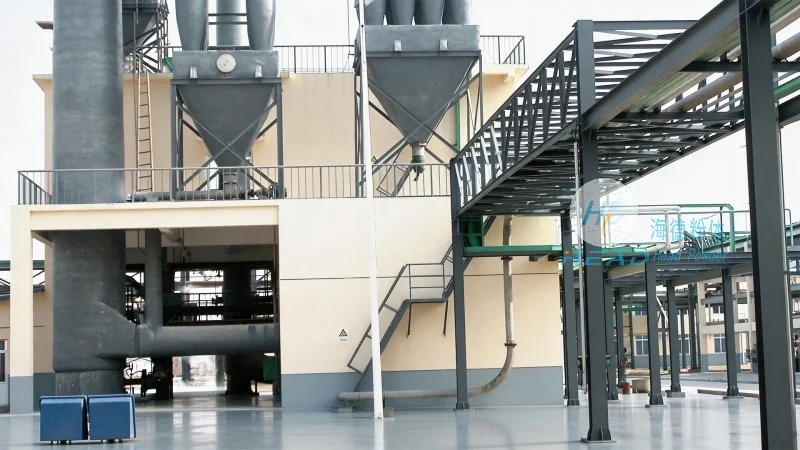
Wool pneumatic conveying systems are widely used in various stages of wool processing, from raw material handling to finished product distribution. In the raw material stage, these systems efficiently transport wool bales or loose fibers from storage areas to processing machinery, such as carding or spinning equipment. This streamlines the workflow and reduces manual labor, enhancing productivity in wool mills. During the processing phase, pneumatic conveying is employed to move wool through different stages of preparation, including cleaning, sorting, and blending. The ability to handle fine particles and maintain consistent airflow ensures that the wool is processed uniformly, improving the quality of the final textile products. Additionally, in the finishing and packaging stages, these systems facilitate the transport of processed wool to storage or shipping areas, ensuring smooth operations from production to delivery.
Key Features and Advantages
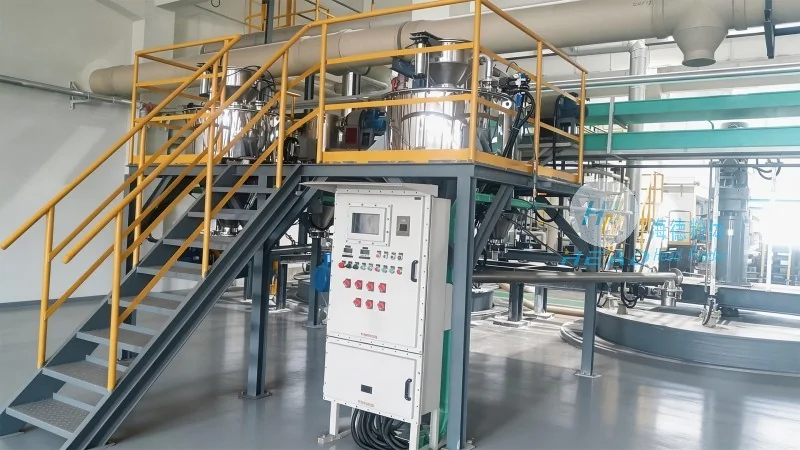
Shandong HeadPowder Engineering Co., Ltd. specializes in designing and manufacturing advanced wool pneumatic conveying solutions tailored to the specific needs of the textile industry. Their systems are engineered to deliver several key advantages, including high efficiency in material transport, minimal environmental impact due to enclosed systems, and reduced labor costs compared to traditional methods. The enclosed pipeline design prevents dust and fiber contamination, maintaining a clean working environment and ensuring compliance with industry standards. Furthermore, the flexibility of pneumatic conveying allows for easy integration with existing processing lines, making it a cost-effective upgrade for wool mills looking to enhance their operational capabilities. The company's expertise in material handling technology ensures that their solutions are durable, reliable, and capable of handling the unique challenges posed by wool, such as its variable density and tendency to clump.
Technological Advancements and Future Trends
The field of wool pneumatic conveying is continuously evolving, with advancements aimed at improving efficiency, sustainability, and automation. Modern systems now incorporate advanced control technologies, such as variable frequency drives (VFDs), which allow for precise adjustment of airflow and pressure, optimizing energy consumption and reducing operational costs. Additionally, the integration of sensors and monitoring systems enables real-time tracking of material flow, facilitating predictive maintenance and preventing system downtime. As sustainability becomes a priority in the textile industry, there is a growing focus on developing eco-friendly pneumatic conveying solutions. This includes the use of energy-efficient compressors and the implementation of recycling systems to minimize waste. The future of wool pneumatic conveying is likely to see increased automation, with robotic systems and AI-driven controls enhancing the precision and adaptability of the technology. Shandong HeadPowder Engineering Co., Ltd. is at the forefront of these developments, continuously investing in research and development to stay ahead of industry trends and provide cutting-edge solutions for their clients.
Conclusion
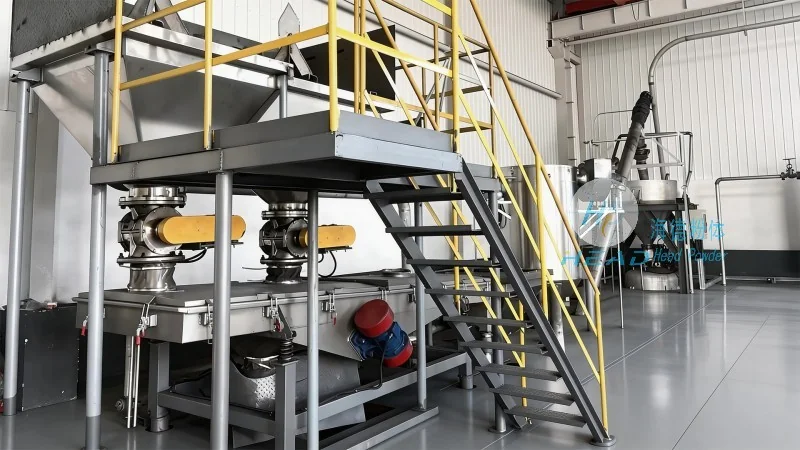
Wool pneumatic conveying technology represents a significant advancement in the efficient and gentle handling of wool, offering numerous benefits to the textile industry. From its fundamental principles to its diverse applications, this technology has become an essential component of modern wool processing. The expertise of Shandong HeadPowder Engineering Co., Ltd. in designing and implementing these systems ensures that wool mills can achieve optimal performance, maintain high product quality, and stay competitive in the global market. As the industry continues to evolve, the integration of advanced technologies and sustainable practices will further enhance the capabilities of wool pneumatic conveying systems, paving the way for a more efficient and environmentally conscious future in wool processing.