

Gelatin Pneumatic Conveying Technology: Principles, Applications, and Development Trends
HeadPowder, a leading enterprise in the field of material handling solutions, specializes in the design, manufacturing, and implementation of gelatin pneumatic conveying systems. This technology represents a sophisticated approach to transporting gelatin and related materials, combining efficiency with precision in industrial processes.
Principles of Gelatin Pneumatic Conveying
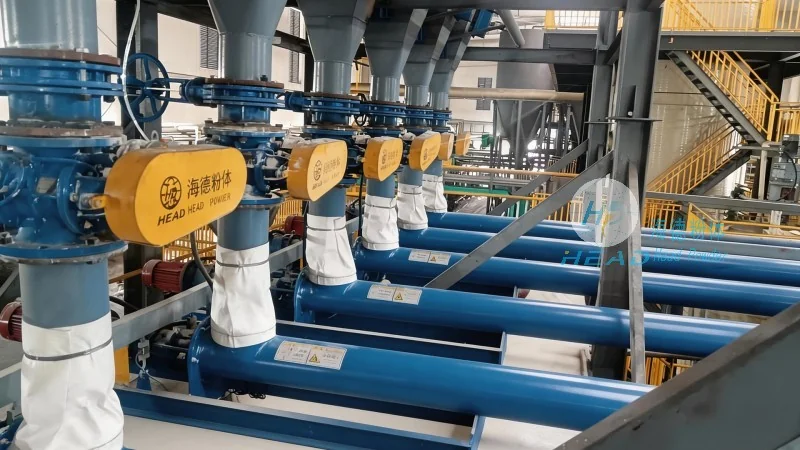
Gelatin pneumatic conveying operates on the principle of using air or gas to transport solid particles through a pipeline. The system typically involves a material feed hopper, a conveyor line, and a receiving hopper. As gelatin is introduced into the hopper, it is drawn into the conveyor line by the moving air stream. The air velocity is carefully controlled to ensure that the gelatin particles are carried along without excessive wear or degradation. This method leverages the kinetic energy of the air to move the material, eliminating the need for mechanical components like belts or rollers that might cause contamination or damage to the delicate gelatin product.
Applications in Industrial Settings
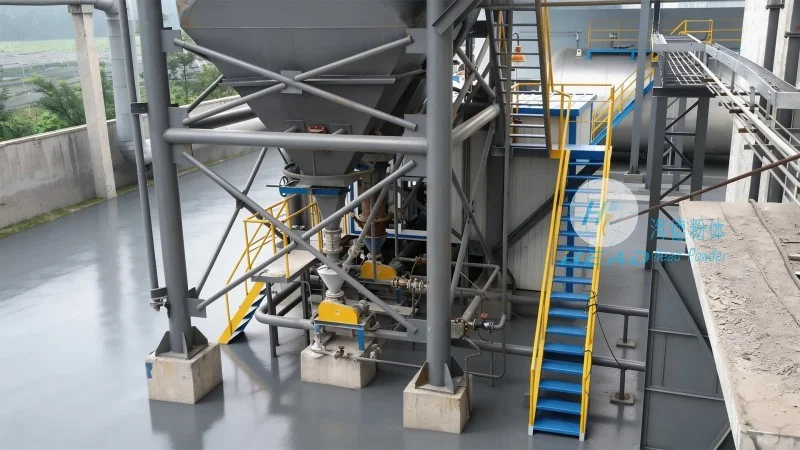
The applications of gelatin pneumatic conveying are diverse and critical across various industries. In the food and pharmaceutical sectors, this technology is employed to transport gelatin from storage areas to processing lines, ensuring a hygienic and contamination-free transfer. For example, in the production of gelatin-based products such as capsules, gels, or dietary supplements, the system maintains the product's purity and quality. Additionally, in the chemical and cosmetic industries, where gelatin is used as an ingredient, the pneumatic conveying system provides a reliable means of moving the material to mixing or packaging units. The versatility of this technology allows it to be adapted to different production scales, from small-scale laboratory applications to large-scale industrial manufacturing.
Advantages of Pneumatic Conveying for Gelatin
Compared to traditional mechanical conveying methods, gelatin pneumatic conveying offers several advantages. Firstly, it minimizes product degradation by reducing friction and mechanical stress. The air flow is gentle enough to preserve the gelatin's texture and quality, which is crucial for applications where the final product's characteristics are paramount. Secondly, the system is highly hygienic, as it operates in enclosed pipelines, preventing exposure to environmental contaminants. This is particularly important in food and pharmaceutical industries where compliance with strict regulatory standards is mandatory. Thirdly, the technology allows for flexible and compact system designs, as the pipelines can be arranged in various configurations to suit the layout of the production facility. This flexibility reduces installation costs and space requirements, making it an economical choice for many industrial applications.
Development Trends and Future Prospects
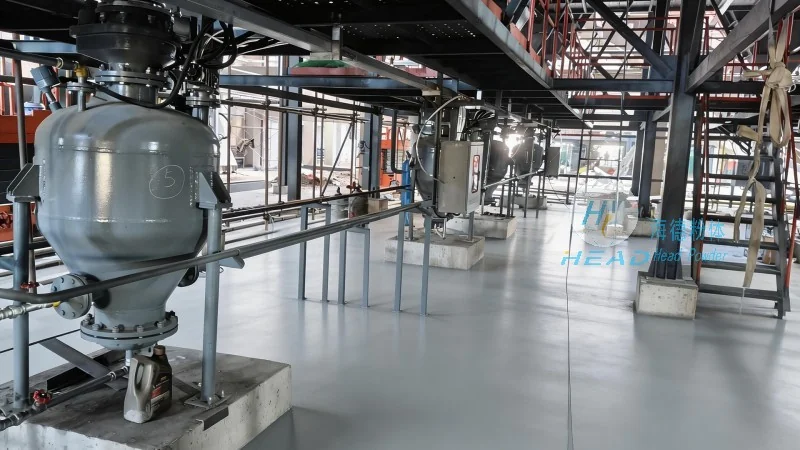
The development of gelatin pneumatic conveying technology is continuously evolving to meet the changing demands of modern industry. One of the key trends is the integration of advanced control systems and automation. Modern systems now feature sophisticated sensors and control panels that monitor air pressure, flow rates, and material levels in real-time, ensuring optimal performance and preventing system failures. This automation enhances operational efficiency and reduces the need for manual intervention, leading to lower labor costs and increased productivity. Another trend is the adoption of more energy-efficient solutions. Manufacturers are developing systems that use less air pressure and energy while maintaining the same conveying capacity, contributing to sustainability and cost savings. Additionally, there is a growing focus on customizing systems to meet specific customer requirements. Companies like Shandong HeadPowder Engineering Co., Ltd. are offering tailored solutions that integrate the latest technology with the unique needs of each client, ensuring that the system is optimized for their particular production processes.