

Airflow Conveying Technology for Fermentation Curd: Principles, Applications, and Development Trends
HeadPowder, a leading provider of specialized engineering solutions, specializes in the development and implementation of airflow conveying systems tailored for the fermentation industry. This article explores the fundamental principles, practical applications, and emerging trends in air-based material handling for fermentation curd, highlighting how such technologies enhance operational efficiency and product quality in modern breweries and distilleries.
Principles of Airflow Conveying for Fermentation Curd
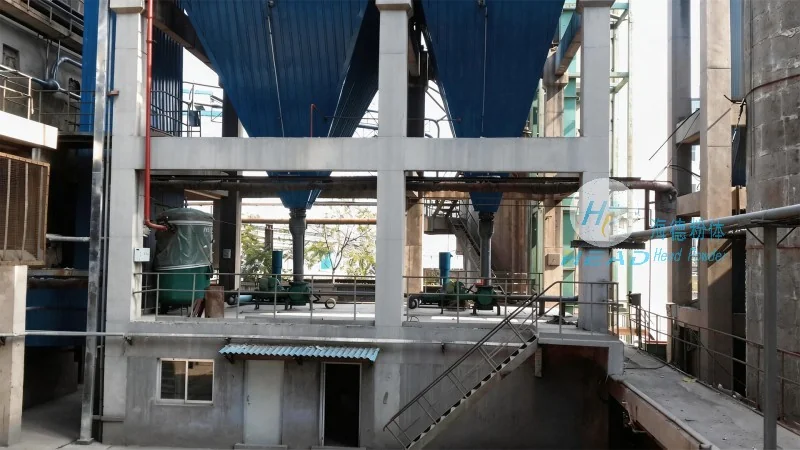
The core principle of airflow conveying, also known as pneumatic conveying, involves the use of pressurized or suction air to transport bulk materials like fermentation curd. In this process, the curd is introduced into a pipeline where it is entrained by the moving air stream, allowing it to be moved from one location to another without direct contact with mechanical components. Two primary modes of operation exist: dilute-phase and dense-phase conveying. Dilute-phase systems utilize higher air velocities to transport curd in a relatively low concentration, suitable for short-distance or low-density applications. Dense-phase systems, on the other hand, operate at lower velocities and higher material concentrations, ensuring minimal degradation of the curd's structure and properties. The choice between these modes depends on factors such as the distance to be covered, the required flow rate, and the sensitivity of the curd to mechanical stress.
Applications in Fermentation Production
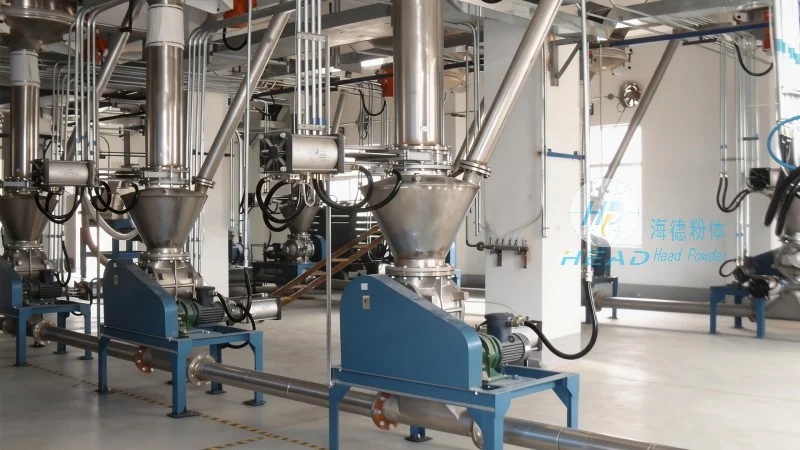
HeadPowder's airflow conveying systems are widely utilized in the fermentation process for curd handling. A key application is the transfer of freshly prepared curd from storage silos to the fermentation tanks. Traditional methods often involve manual handling or mechanical conveyors, which can introduce contamination risks and degrade the curd's enzymatic activity. By employing pneumatic conveying, the curd is transported in a sterile environment, minimizing exposure to external contaminants and preserving its biological integrity. This is particularly critical in the production of high-quality alcoholic beverages, where the quality of the curd directly impacts the final product's flavor and aroma. Additionally, the technology facilitates the integration of curd into automated production lines, enabling precise control over the feeding rate and ensuring consistent batch-to-batch performance. Another significant application is the recycling of spent curd or byproducts, where the system can efficiently collect and transport these materials for further processing or disposal, optimizing resource utilization and reducing waste.
Technological Advancements and Development Trends
The field of airflow conveying for fermentation curd is continuously evolving, driven by the need for greater efficiency, sustainability, and automation. One major trend is the integration of advanced control systems, such as programmable logic controllers (PLCs) and sensors, which enable real-time monitoring of the conveying process. These systems can adjust air pressure, flow rate, and material feed based on real-time data, optimizing energy consumption and preventing system failures. Additionally, the adoption of energy-efficient motors and variable frequency drives (VFDs) has reduced the overall power consumption of the conveying systems, aligning with the industry's sustainability goals. Another emerging trend is the use of hybrid conveying systems, which combine pneumatic and mechanical components to achieve the best of both worlds—efficient material transport with reduced energy use. Furthermore, the development of compact and modular conveying units allows for easier installation and maintenance, making them suitable for both new and existing fermentation facilities. HeadPowder is at the forefront of these advancements, continuously researching and implementing cutting-edge technologies to meet the evolving needs of the fermentation industry.
Conclusion
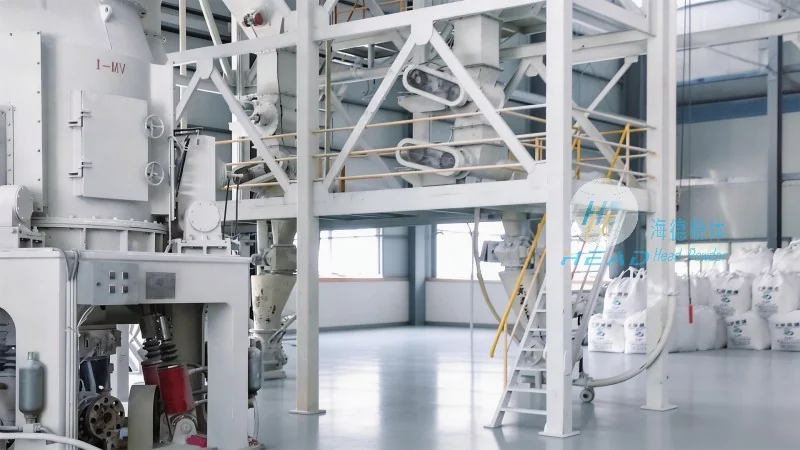
Airflow conveying technology represents a vital advancement in the handling of fermentation curd, offering significant benefits in terms of efficiency, quality control, and operational flexibility. By understanding the principles, applications, and trends in this field, manufacturers can make informed decisions about implementing or upgrading their curd handling systems. HeadPowder, with its expertise in engineering and industry-specific solutions, remains committed to providing innovative and reliable airflow conveying systems that enhance the performance and sustainability of fermentation processes worldwide.