

[Dry Manure Pneumatic Conveying Technology: Principles, Applications, and Development Trends]
HeadPowder, a leading engineering company based in Shandong, China, specializes in the development and implementation of advanced dry manure pneumatic conveying systems. This technology represents a modern solution for the efficient and hygienic transportation of dry manure, addressing the challenges faced by agricultural and livestock operations in managing waste and optimizing resource utilization. The core principle of pneumatic conveying involves the use of air to transport dry materials through a pipeline system, eliminating the need for traditional mechanical equipment such as conveyor belts or augers. By leveraging air pressure and velocity, the system can transport dry manure over long distances with minimal loss and contamination, making it an ideal choice for large-scale farms and processing facilities.
Principles of Dry Manure Pneumatic Conveying
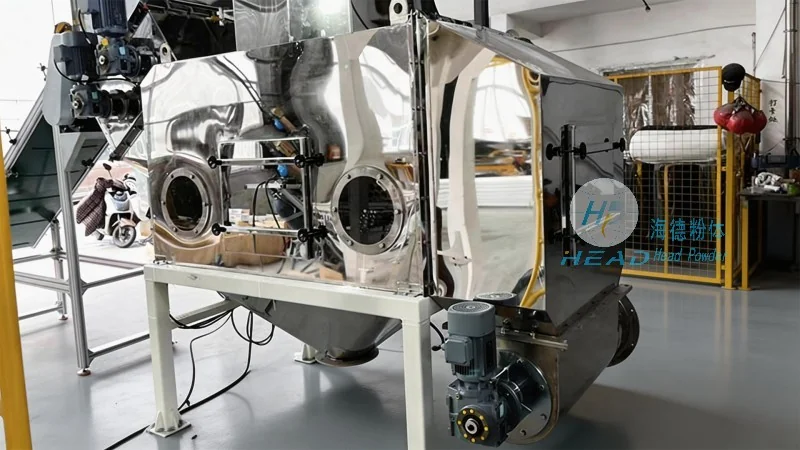
The fundamental principles of dry manure pneumatic conveying revolve around the interaction between air and dry manure particles. The process typically operates under positive pressure, where compressed air is introduced into the conveying line, creating a flow that propels the dry manure through the system. Key components include a feed hopper, an air compressor, a conveying line, and a discharge unit. The feed hopper ensures a consistent supply of dry manure, while the air compressor generates the necessary pressure to move the material. The conveying line, often made of durable materials like stainless steel or plastic, is designed to withstand the abrasive nature of manure particles and maintain hygiene standards. The discharge unit collects the transported manure, completing the cycle. This system allows for precise control over the flow rate and pressure, ensuring efficient and reliable operation.
Applications in Agricultural and Livestock Operations
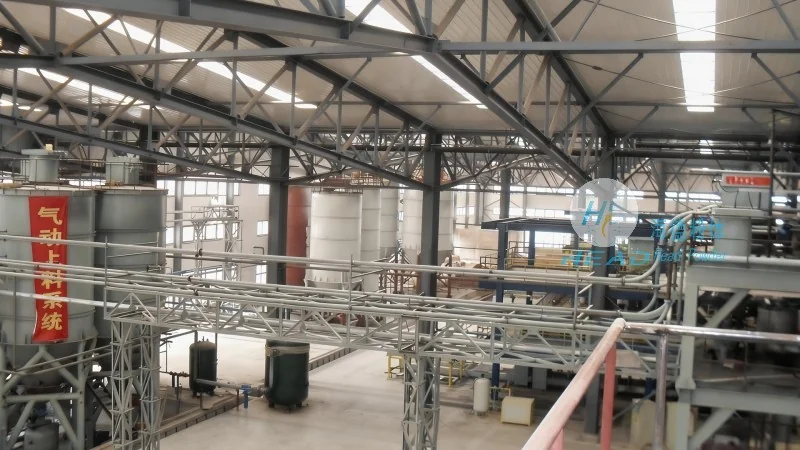
Dry manure pneumatic conveying technology finds extensive applications in various agricultural and livestock settings. For large-scale dairy farms and pig operations, the system is used to transport dry manure from animal housing to storage or processing areas. This not only improves operational efficiency but also reduces labor costs associated with manual handling. In composting facilities, the technology facilitates the movement of dry manure to composting piles, enhancing the aeration and decomposition process. Additionally, it is employed in biogas production plants, where dry manure is conveyed to digesters for gas generation. The versatility of the system makes it suitable for different types of livestock, including cattle, poultry, and swine, and can be adapted to various farm sizes, from small-scale operations to large commercial farms. The technology also contributes to better sanitation by minimizing direct contact with manure, reducing the risk of contamination and odor issues.
Advantages of Dry Manure Pneumatic Conveying
Compared to traditional conveying methods, dry manure pneumatic conveying offers several significant advantages. Firstly, it provides a hygienic and clean method of transporting manure, as the system is enclosed and sealed, preventing exposure to pathogens and odors. This is particularly important in maintaining animal health and compliance with environmental regulations. Secondly, the system is highly efficient, capable of transporting dry manure over long distances with minimal energy consumption. The use of air as the primary transport medium reduces wear and tear on equipment, leading to lower maintenance costs and longer equipment lifespan. Thirdly, the technology allows for precise control over the flow rate and pressure, enabling operators to adjust the system according to specific operational needs. This flexibility is crucial for adapting to varying manure volumes and farm layouts. Furthermore, the system is scalable, allowing for expansion as farm operations grow, making it a long-term investment for agricultural businesses.
Development Trends and Future Prospects
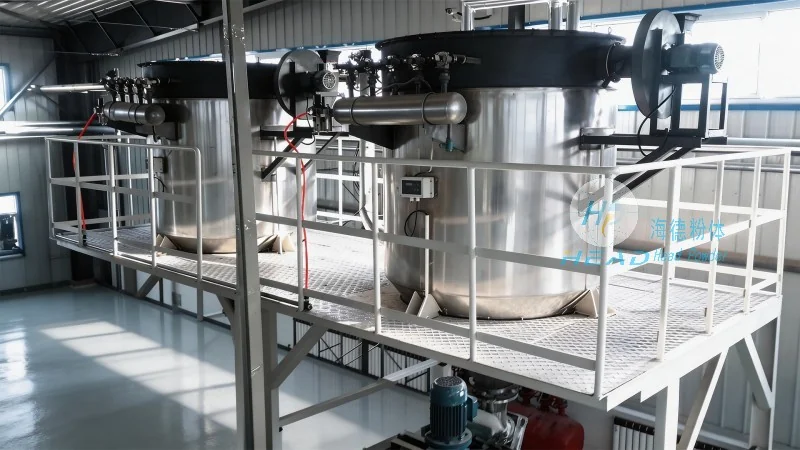
The field of dry manure pneumatic conveying is continuously evolving, with several trends shaping its future. One key trend is the integration of automation and smart technology, where sensors and control systems monitor and optimize the conveying process in real-time. This enhances efficiency and reduces human error, leading to better performance and cost savings. Another trend is the adoption of more sustainable materials and energy sources, such as using renewable energy to power the air compressors, reducing the carbon footprint of the system. Additionally, advancements in material handling technology, such as improved line designs and wear-resistant components, are extending the operational life of the equipment and improving reliability. The growing emphasis on sustainable agriculture and environmental stewardship is driving the adoption of these advanced conveying systems, as they contribute to better waste management and resource recovery. As agricultural practices continue to evolve, dry manure pneumatic conveying is poised to remain a critical technology for efficient and sustainable livestock operations.