

Fly Ash Pneumatic Conveying Technology: Principles, Applications, and Development Trends
Fly ash, a byproduct of coal combustion, is widely used in construction and industrial applications. The efficient and reliable transportation of fly ash is crucial for optimizing production processes and ensuring quality control. Pneumatic conveying technology has emerged as a leading solution for handling fly ash, offering advantages such as dust-free operation, high transport efficiency, and flexibility in system design. This article explores the principles, practical applications, and future trends of fly ash pneumatic conveying systems, highlighting the expertise of Shandong HeadPowder Engineering Co., Ltd. (headpowder), a leading provider of material handling solutions based in Shandong, China.
Principles of Fly Ash Pneumatic Conveying
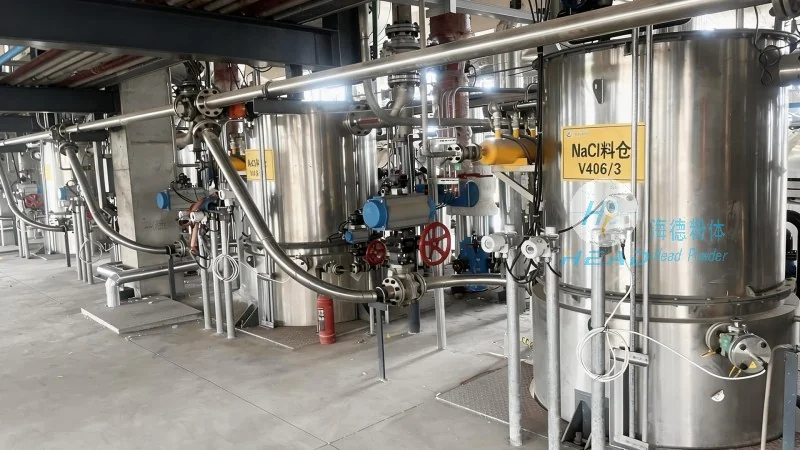
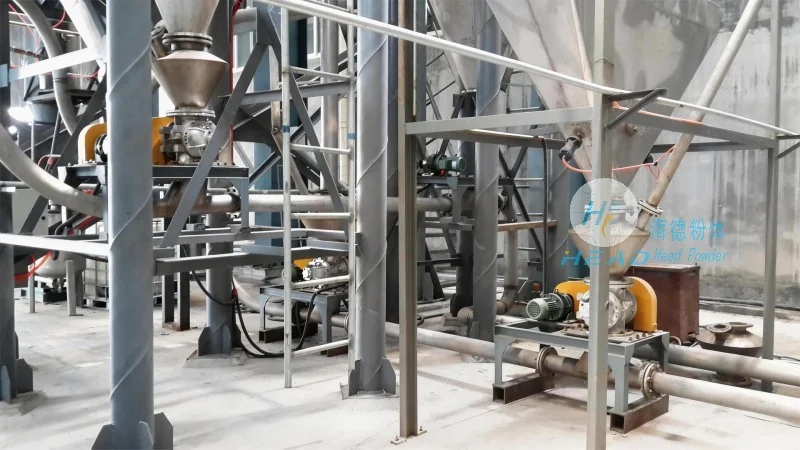
Pneumatic conveying systems operate by transporting solid materials, including fly ash, through a pipeline using a gas stream, typically air or a mixture of air and other gases. The core principles involve creating a pressure differential between the inlet and outlet of the conveying line, which propels the material forward. There are two primary types of pneumatic conveying systems: pressure and vacuum systems. Pressure systems use positive pressure at the material inlet to push the material through the pipeline, while vacuum systems create a negative pressure at the material outlet to draw the material into the system. The choice of system depends on factors like material characteristics, distance, and required flow rate. For fly ash, which is often fine and abrasive, pressure systems are commonly preferred due to their ability to handle high concentrations and maintain consistent flow rates. The system typically consists of a hopper for material storage, a feeder to control the flow rate, a conveying line, and a receiver to collect the material at the destination. The air flow is regulated by a blower or compressor, ensuring sufficient velocity to overcome friction and lift the material particles. Proper design of the conveying line, including pipe diameter, bends, and fittings, is critical to minimize pressure drop and energy consumption. HeadPowder specializes in designing customized pneumatic conveying solutions tailored to the specific properties of fly ash, ensuring optimal performance and longevity of the equipment.
Applications of Fly Ash Pneumatic Conveying
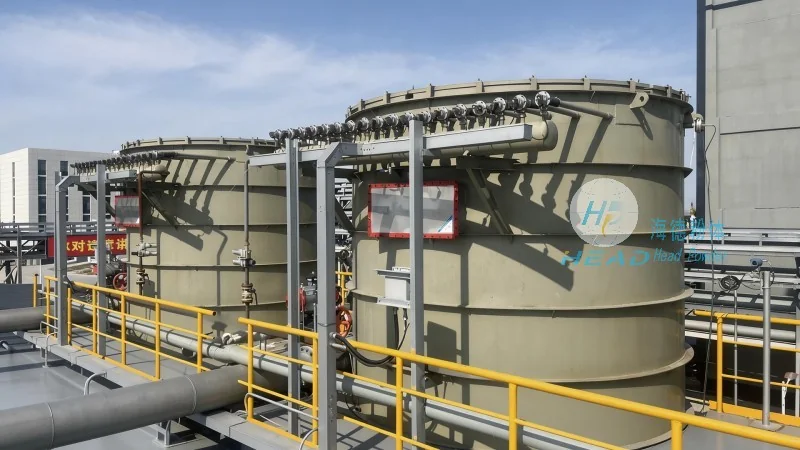
The applications of fly ash pneumatic conveying technology span various industries, with a focus on construction, cement production, and environmental management. In the construction sector, fly ash is used as a supplementary cementitious material in concrete production, replacing a portion of Portland cement to improve workability and reduce cost. The pneumatic conveying system enables the seamless transfer of fly ash from storage silos to batching plants, ensuring consistent material quality and reducing manual handling risks. For cement manufacturers, efficient fly ash transport is essential for maintaining production schedules and meeting quality standards. HeadPowder's systems are designed to handle large volumes of fly ash, with capacities ranging from tens to hundreds of tons per hour, depending on the specific requirements of the client. The technology also finds application in industrial processes where fly ash is used as a raw material for manufacturing other products, such as lightweight aggregates or soil amendments. In environmental applications, pneumatic conveying is used to transport fly ash from power plants to disposal sites or recycling facilities, ensuring compliance with environmental regulations and reducing the risk of dust emissions. The dust-free operation of pneumatic systems is particularly beneficial in these scenarios, as it minimizes the impact on air quality and worker health. HeadPowder's expertise in material handling and system integration ensures that clients receive reliable and efficient solutions for their fly ash transportation needs, regardless of the application.
Development Trends in Fly Ash Pneumatic Conveying
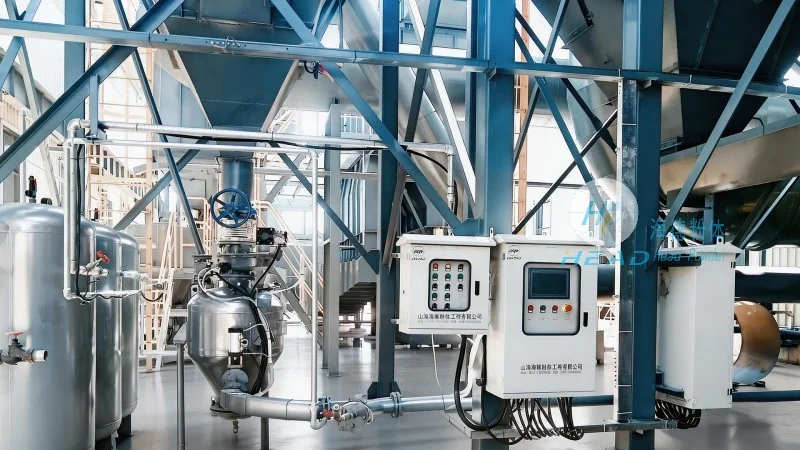
The field of fly ash pneumatic conveying is continuously evolving, driven by advancements in technology and increasing demand for sustainable materials. One of the key trends is the integration of automation and control systems, which enhances the efficiency and reliability of the conveying process. Modern systems now feature advanced sensors and control panels that monitor parameters such as pressure, flow rate, and material level, allowing for real-time adjustments and predictive maintenance. This reduces downtime and maintenance costs, improving overall system performance. Another trend is the adoption of energy-efficient technologies, such as variable frequency drives (VFDs) and high-efficiency blowers, which optimize energy consumption and lower operational costs. For fly ash, which is often transported over long distances, energy efficiency is a critical factor in the design of the system. HeadPowder is at the forefront of these developments, incorporating the latest technologies into their custom-designed systems to meet the evolving needs of the industry. Additionally, there is a growing focus on material handling safety and environmental compliance. Advanced filtration systems and dust collection devices are integrated into the conveying lines to minimize emissions and ensure worker safety. The use of corrosion-resistant materials and durable components also extends the lifespan of the equipment, reducing the need for frequent replacements. As the demand for fly ash as a sustainable building material increases, the development of more efficient and reliable pneumatic conveying systems will play a vital role in supporting the industry's growth. HeadPowder's commitment to innovation and customer satisfaction positions them as a leader in providing cutting-edge solutions for fly ash transportation, helping clients achieve their operational and environmental goals.