

Paprika Powder Pneumatic Conveying Technology: Principles, Applications, and Development Trends
HeadPowder, a leading enterprise in the field of powder handling solutions, specializes in advanced pneumatic conveying systems tailored for the processing and transportation of paprika powder. This article delves into the core principles, practical applications, and future trends of pneumatic conveying technology specifically designed for paprika powder, providing a comprehensive overview for industry professionals and potential clients.
Principles of Pneumatic Conveying for Paprika Powder
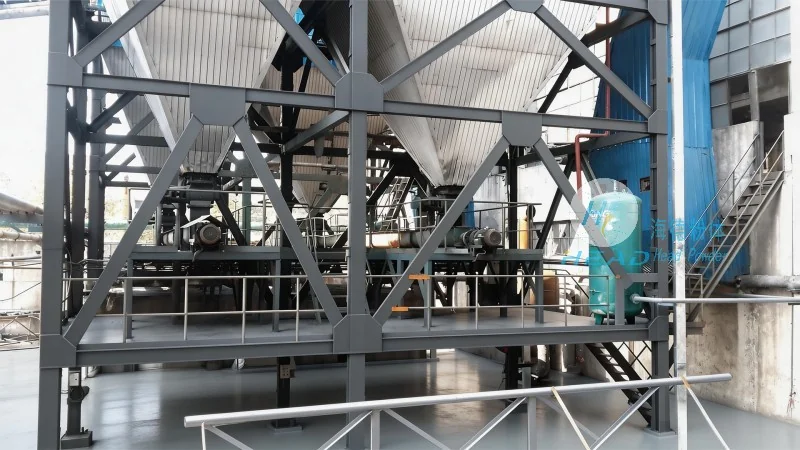
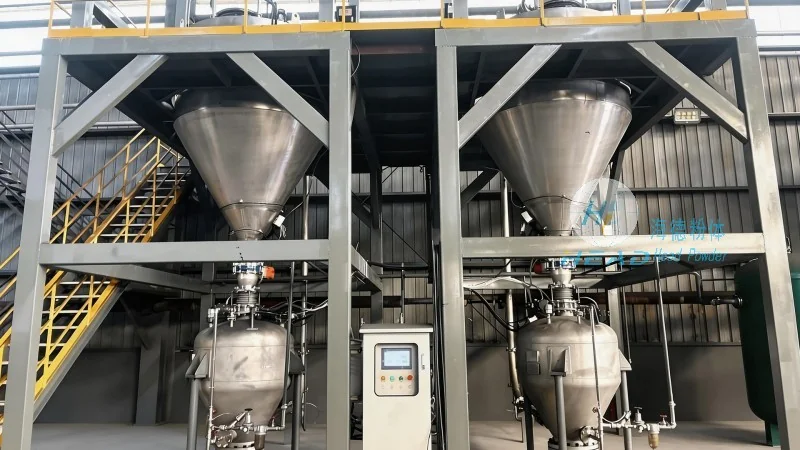
Pneumatic conveying is a method of transporting bulk materials like paprika powder through a pipeline using air or other gases. The fundamental principle involves creating a pressure differential between the inlet and outlet of the conveying system. In the case of paprika powder, the system typically operates under either positive pressure (pressure conveying) or negative pressure (vacuum conveying). Positive pressure systems force air and powder through the pipeline, while negative pressure systems draw the powder and air into the system using a vacuum. The choice between these methods depends on factors such as material characteristics, distance, and system layout. For paprika powder, which is often fine and can be prone to caking or agglomeration, a well-designed pneumatic conveying system must ensure efficient flow, minimize product degradation, and maintain consistent particle size distribution. Key components include the hopper, feeder, conveying line, and receiver. The hopper stores the paprika powder and provides a consistent feed to the feeder, which then introduces the powder into the conveying line. The conveying line, often made of stainless steel to prevent contamination and corrosion, transports the powder and air mixture. The receiver collects the conveyed powder and separates it from the air, which may be filtered and recycled. Proper design of these components is crucial for maintaining the quality of the paprika powder and ensuring the efficiency of the conveying process.
Applications of Pneumatic Conveying in Paprika Processing
The application of pneumatic conveying technology in paprika processing spans various stages of the production and handling process. In the initial stages, after drying and grinding, paprika powder is often stored in bulk silos. Pneumatic conveying systems are used to transfer the powder from the grinding mills to the storage silos or directly to packaging lines. This method eliminates the need for manual handling, reducing labor costs and minimizing the risk of contamination. During the packaging process, the powder is conveyed from the storage silos to the packaging machines, where it is filled into bags or containers. The efficiency of the conveying system directly impacts the speed and consistency of the packaging operation. In industrial settings, such as spice processing plants or food manufacturing facilities, pneumatic conveying is also used to transport paprika powder between different processing units, such as from the drying stage to the grinding stage or from the grinding stage to the blending stage. This integrated approach ensures a seamless flow of materials and enhances overall production efficiency. Additionally, pneumatic conveying can be used in quality control processes, where the powder is sampled and analyzed for moisture content, particle size, and other critical parameters. The ability to transport small quantities of powder for testing without interrupting the main flow is a significant advantage of this technology.
Development Trends in Pneumatic Conveying Technology for Paprika Powder
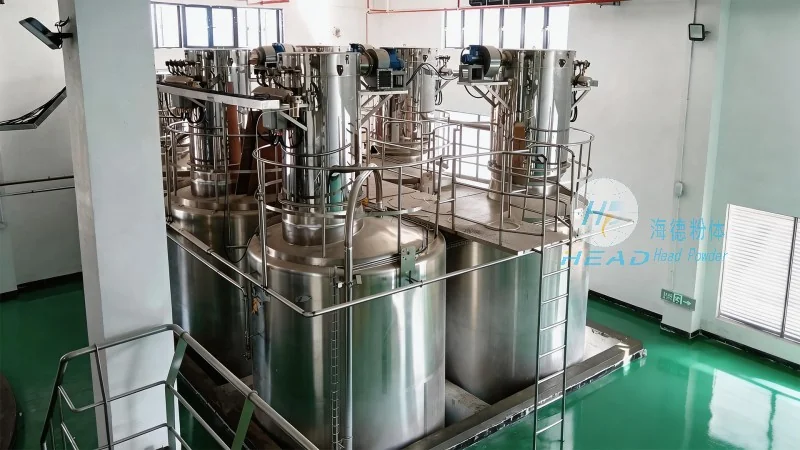
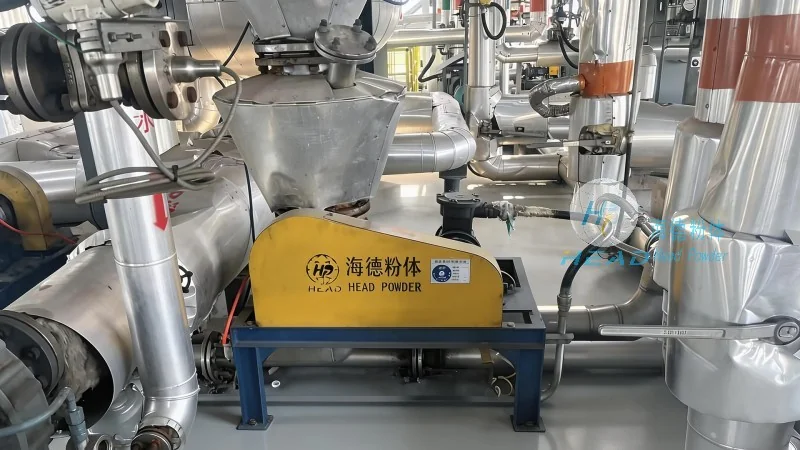
As the demand for efficient and reliable powder handling solutions grows, the development of pneumatic conveying technology for paprika powder continues to evolve. One key trend is the integration of advanced control systems and automation. Modern pneumatic conveying systems now feature sophisticated control panels that allow for real-time monitoring of pressure, flow rate, and temperature. This enables operators to adjust the system parameters dynamically, optimizing performance and minimizing downtime. Additionally, the use of sensors and data analytics helps in predicting maintenance needs, reducing the risk of system failures and extending the lifespan of the equipment. Another trend is the adoption of more sustainable and energy-efficient designs. Manufacturers are developing systems that use less air pressure and energy while maintaining or improving conveying efficiency. This is achieved through the use of optimized pipeline designs, variable frequency drives (VFDs) to control motor speeds, and energy recovery systems that capture and reuse compressed air. For paprika powder, which is a valuable and often expensive ingredient, minimizing energy consumption and reducing product loss during transport is critical. Furthermore, the development of specialized materials and coatings for conveying lines is another trend. Stainless steel remains the primary material due to its corrosion resistance and hygiene properties, but advancements in coating technologies are improving the durability and wear resistance of the pipelines, especially in high-abrasion applications. The use of anti-static coatings is also becoming more common, as paprika powder can be prone to static buildup, which can affect flow and cause dust explosions. Finally, the trend towards modular and flexible systems is gaining traction. Modular pneumatic conveying systems allow for easy expansion or reconfiguration of the system as production needs change. This flexibility is particularly valuable in industries where product lines or processing capacities are frequently adjusted. By using standardized components and modular designs, companies can reduce installation time and costs, making the technology more accessible to a wider range of users.