

[Bauxite Pneumatic Conveying Technology: Principles, Applications, and Development Trends]
Bauxite, a fundamental raw material in aluminum production, necessitates efficient and reliable transport solutions to ensure seamless industrial workflows. Pneumatic conveying technology has emerged as a critical solution for handling bauxite, offering advantages such as dust-free operation, reduced material degradation, and enhanced workplace safety. This article explores the principles, practical applications, and future trends of bauxite pneumatic conveying technology, with a focus on the expertise of Shandong HeadPowder Engineering Co., Ltd., a leading provider in the field.
Principles of Bauxite Pneumatic Conveying
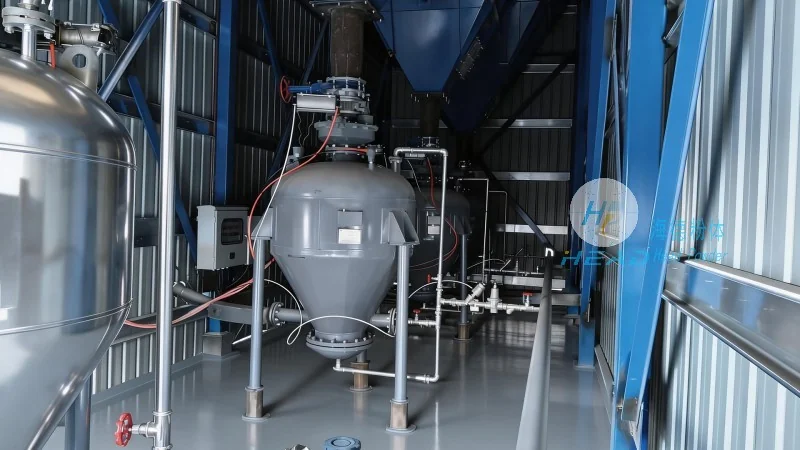
Pneumatic conveying operates by utilizing air or other gases to transport bulk materials like bauxite through a pipeline system. The core principle involves creating a pressure differential to move the material. Two primary system types exist: pressure and vacuum. Pressure systems employ compressed air to push material forward, while vacuum systems create a negative pressure to draw material into the pipeline. For dry, granular bauxite, pressure systems are commonly preferred due to their capacity to handle higher loads and longer distances. The system typically comprises components including a hopper, feeder, pipeline, and receiver. The feeder regulates bauxite flow into the pipeline, the pipeline transports material to the destination, and the receiver collects material at the pipeline's end. System selection depends on factors like distance, material volume, and required transport speed.
Applications in Bauxite Processing
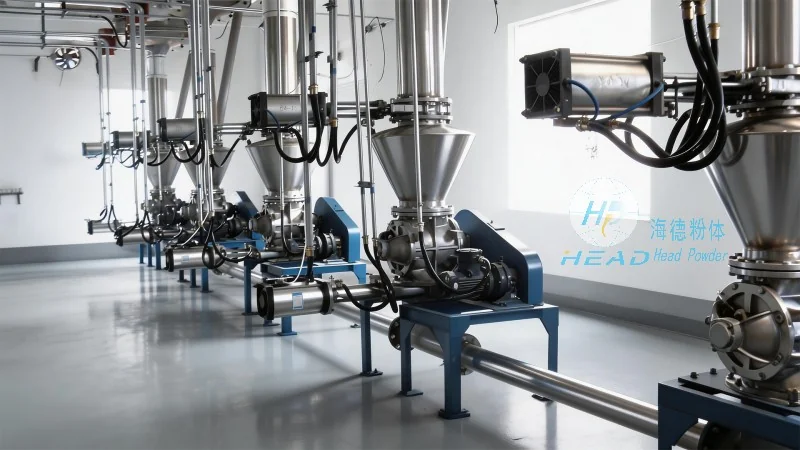
Bauxite pneumatic conveying is widely utilized across various stages of bauxite processing. In mining operations, it facilitates transport of raw bauxite from extraction sites to processing plants, reducing reliance on heavy machinery and lowering operational costs and environmental impact. During processing, the technology transfers bauxite from storage silos to grinding and crushing equipment, crucial for maintaining material quality by minimizing exposure to air and moisture. Additionally, it moves bauxite to the digestion process for chemical treatment to extract aluminum hydroxide. The efficiency of pneumatic conveying in these applications is vital for optimizing production rates and preserving product purity. Shandong HeadPowder Engineering Co., Ltd. has extensive experience in designing and implementing such systems for bauxite processing plants, tailoring each component to operational requirements.
Advantages of Pneumatic Conveying for Bauxite
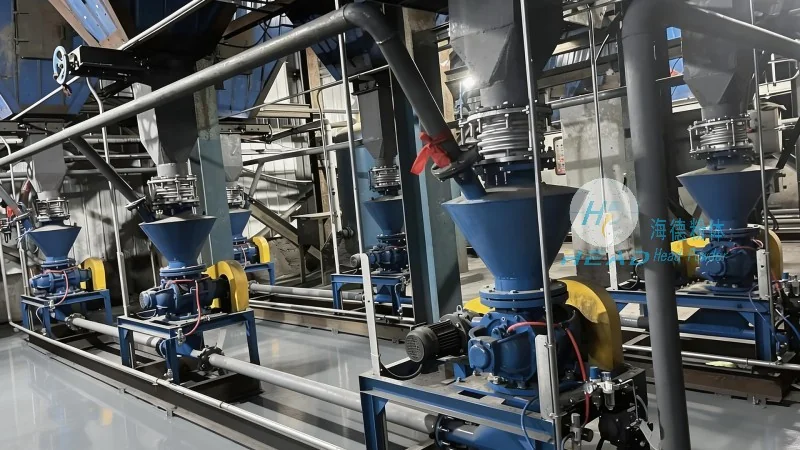
Compared to traditional methods like belt conveyors or trucks, pneumatic conveying offers several advantages for bauxite transport. A key benefit is the elimination of dust and associated health hazards. Bauxite, being fine and powdery, can generate significant dust during handling, posing risks to workers and the environment. Pneumatic systems enclose material within pipelines, preventing dust escape and improving workplace safety. Another advantage is reduced material degradation. Traditional transport can cause abrasion and breakage of bauxite particles, affecting final aluminum product quality. Pneumatic conveying minimizes these issues via smooth pipelines and controlled air flow. The system also offers flexibility, allowing route changes without major infrastructure modifications—valuable in industrial settings requiring process adjustments. Energy efficiency is another factor, as pneumatic systems can reduce operational costs compared to alternatives.
Technological Developments and Future Trends
The field of bauxite pneumatic conveying is continuously evolving, with new technologies and innovations enhancing system performance and efficiency. Recent developments include advanced materials for pipeline construction, such as high-strength, corrosion-resistant stainless steel and alloys, ensuring longevity and reliability, especially in acidic or abrasive environments. Integration of automation and control systems is another trend, with modern systems equipped with sensors and control panels monitoring pressure, flow rate, and material levels in real-time, enabling automatic adjustments for optimal operation. Predictive maintenance technologies, using data analytics to identify potential issues before failures, are also gaining traction, reducing downtime and maintenance costs. Sustainable practices are increasingly emphasized, with companies like Shandong HeadPowder Engineering Co., Ltd. exploring energy-efficient compressors and air recycling systems to minimize environmental impact. The future of bauxite pneumatic conveying likely involves further advancements in automation, material handling efficiency, and sustainability, driven by the need for more efficient and responsible industrial operations.
Conclusion
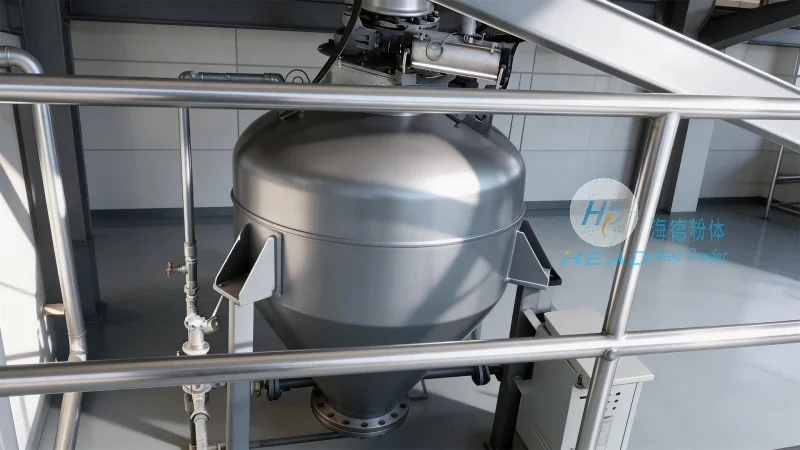
Bauxite pneumatic conveying technology is crucial for efficient and safe bauxite transport in the aluminum industry. Understanding principles, applications, and ongoing developments enables informed decisions about system implementation or upgrades. Shandong HeadPowder Engineering Co., Ltd. remains at the forefront of this technology, providing tailored solutions meeting specific bauxite processing needs. As the industry evolves, reliable and efficient bauxite transport will remain essential, making pneumatic conveying a vital component of modern aluminum production.