

Quartz Stone Pneumatic Conveying Technology: Principles, Applications, and Development Trends
Quartz stone, a widely used material in various industries, requires efficient and reliable material handling solutions for its processing and transportation. Pneumatic conveying technology has emerged as a critical method for handling quartz stone, offering advantages such as dust-free operation, low maintenance, and flexibility in system design. This article explores the principles, applications, and future trends of quartz stone pneumatic conveying technology, highlighting the expertise of Shandong HeadPowder Engineering Co., Ltd., a leading provider in the field.
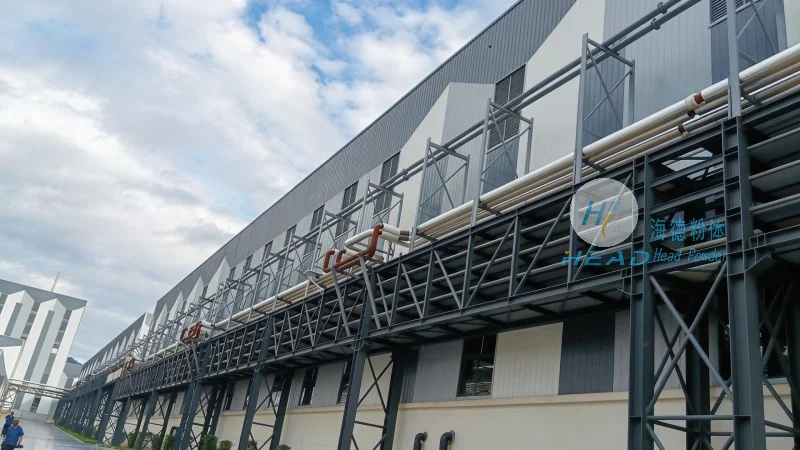
Company Introduction: Shandong HeadPowder Engineering Co., Ltd.
Shandong HeadPowder Engineering Co., Ltd. is a professional manufacturer and supplier specializing in pneumatic conveying systems and related equipment. With a strong presence in China, particularly in Shandong province, the company has established itself as a trusted partner for industries requiring advanced material handling solutions. HeadPowder's commitment to quality, innovation, and customer satisfaction has positioned it as a key player in the global market for quartz stone processing and transportation. The company's headquarters and main operations are located in Shandong, China, where it leverages local resources and expertise to deliver high-performance pneumatic conveying systems tailored to the specific needs of quartz stone applications.
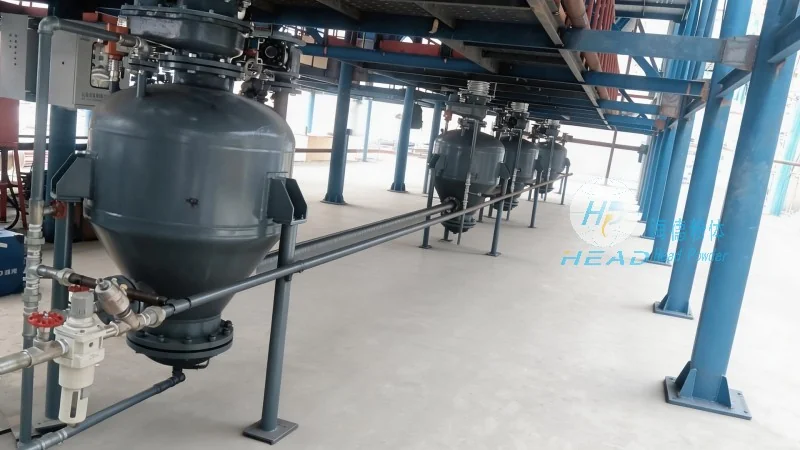
Principles of Quartz Stone Pneumatic Conveying
Pneumatic conveying, also known as pneumatic transport, is a method of transporting bulk materials like quartz stone through a pipeline using compressed air or other gases. The core principle involves creating a flow of air that moves the material from the source to the destination. There are two main types of pneumatic conveying systems: dilute-phase and dense-phase. Dilute-phase systems use low air velocity and high material velocity, suitable for short distances and low material density. Dense-phase systems, on the other hand, use high air velocity and low material velocity, ideal for long distances and high material density. For quartz stone, which is typically a fine or granular material, dense-phase systems are often preferred due to their ability to handle high material loads and minimize material degradation. The system typically consists of a hopper, a rotary valve, a conveying line, a receiver, and a dust collector. The hopper stores the quartz stone, the rotary valve controls the material flow, the conveying line transports the material, the receiver collects the material at the destination, and the dust collector removes any airborne particles to ensure a clean and safe operation. The compressed air is supplied by a blower or compressor, which generates the necessary pressure to move the material through the system. The air velocity and pressure are carefully controlled to ensure efficient and reliable conveying. The design of the system is crucial, as it must consider factors such as material properties, conveying distance, and system capacity. Proper sizing of the conveying line, air velocity, and pressure ensures optimal performance and minimal energy consumption. The rotary valve is a critical component, as it controls the flow of material from the hopper into the conveying line. It must be able to handle the quartz stone's characteristics, such as its size, shape, and abrasiveness, to prevent wear and tear and ensure consistent operation. The conveying line is typically made of stainless steel or other corrosion-resistant materials to withstand the quartz stone's chemical properties and prevent contamination. The receiver is designed to collect the material and separate it from the air, often using a cyclone or bag filter. The dust collector removes any remaining particles from the air, ensuring compliance with environmental regulations and maintaining a clean working environment. Overall, the principles of quartz stone pneumatic conveying involve the efficient use of compressed air to transport the material through a system designed to handle its specific properties, ensuring reliable and cost-effective operation.
Applications of Quartz Stone Pneumatic Conveying
Quartz stone pneumatic conveying systems are widely used in various industries due to their ability to handle the material efficiently and safely. The primary applications include mining and quarrying, where quartz stone is extracted from the earth and transported to processing facilities. In this industry, the systems are used to convey raw quartz stone from the quarry to the crushing and grinding units, ensuring a continuous and smooth operation. The systems are also used in the manufacturing of quartz-based products, such as countertops, tiles, and glass. These products require high-purity quartz stone, and the pneumatic conveying systems help maintain the material's quality by minimizing contamination and degradation. The systems are used to transport the quartz stone from storage to the production lines, where it is processed into the final products. Another application is in the chemical and pharmaceutical industries, where quartz stone is used as a filler or abrasive. The pneumatic conveying systems are used to transport the material to the processing units, ensuring a consistent supply and preventing dust exposure. The systems are also used in the construction industry, where quartz stone is used as a raw material for concrete and other building materials. The systems help transport the material from the storage to the construction sites, ensuring a reliable supply. Additionally, the systems are used in the food and beverage industry, where quartz stone is used as a filtration medium. The pneumatic conveying systems are used to transport the quartz stone to the filtration units, ensuring a clean and efficient operation. Overall, the applications of quartz stone pneumatic conveying systems are diverse and essential in various industries, providing a reliable and efficient method for handling the material.
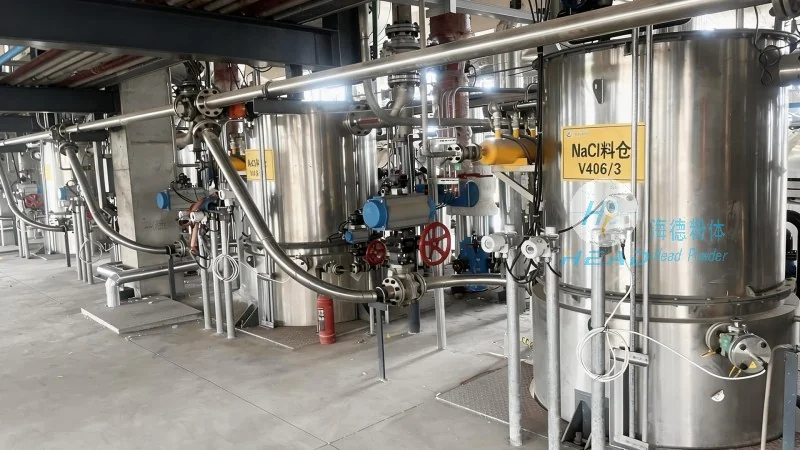
Development Trends in Quartz Stone Pneumatic Conveying Technology
The field of quartz stone pneumatic conveying technology is continuously evolving, with new advancements and trends emerging to improve system performance and efficiency. One of the key trends is the development of more efficient and energy-saving systems. Manufacturers are focusing on reducing energy consumption by optimizing the air velocity and pressure, as well as improving the system's overall efficiency. This includes the use of advanced blower and compressor technologies, such as variable frequency drives (VFDs), which allow for precise control of air flow and pressure, reducing energy waste. Another trend is the integration of automation and control systems. Modern pneumatic conveying systems are equipped with advanced sensors and control panels that monitor the system's performance in real-time. This allows for automatic adjustments to maintain optimal operation, reducing downtime and improving productivity. The use of automation also enhances safety by preventing over-pressurization and other potential hazards. A third trend is the adoption of sustainable and environmentally friendly technologies. As environmental regulations become more stringent, manufacturers are developing systems that minimize emissions and waste. This includes the use of high-efficiency dust collectors and the implementation of recycling systems to recover and reuse the quartz stone. The integration of renewable energy sources, such as solar or wind power, is also being explored to reduce the system's carbon footprint. Another trend is the development of modular and flexible systems. Modern pneumatic conveying systems are designed to be modular, allowing for easy expansion or modification as the material handling needs change. This flexibility is particularly important for industries that experience fluctuations in demand or need to adapt to new production processes. The use of modular systems also reduces installation time and costs, making them more accessible to smaller businesses. Finally, the trend towards digitalization and data analytics is gaining traction. Manufacturers are incorporating sensors and data collection systems into the pneumatic conveying systems to gather data on performance, maintenance, and energy usage. This data is then analyzed to identify areas for improvement and optimize system operation. The use of data analytics helps in predictive maintenance, reducing unexpected breakdowns and extending the system's lifespan. Overall, the development trends in quartz stone pneumatic conveying technology are focused on improving efficiency, sustainability, and flexibility, while enhancing safety and reliability. These advancements are driven by the need to meet the evolving demands of industries and comply with environmental regulations.