

Feed Pellet Pneumatic Conveying Technology: Principles, Applications, and Development Trends
Feed pellet pneumatic conveying technology is a critical process in the feed industry, enabling the efficient and reliable transport of feed pellets from one location to another. This technology utilizes air as the conveying medium to move solid particles, offering advantages such as reduced labor costs, minimized product contamination, and enhanced operational flexibility.
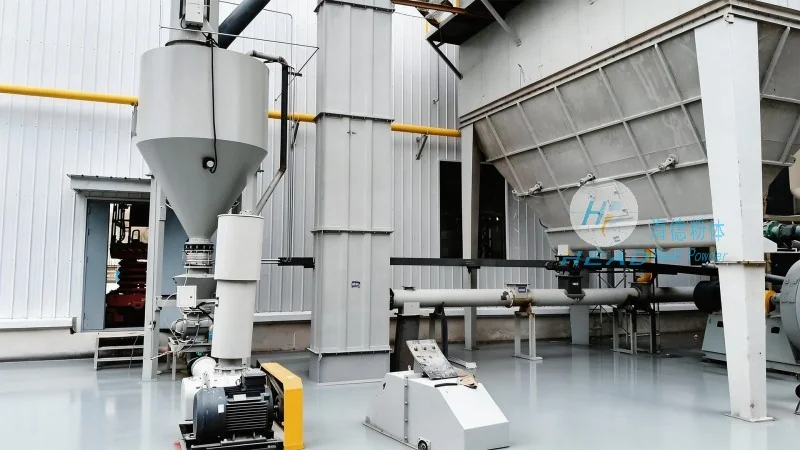
Principles of Pneumatic Conveying for Feed Pellets
The core principle of pneumatic conveying involves the use of compressed air or vacuum to move feed pellets through a pipeline. There are two primary types of pneumatic conveying systems: dilute-phase and dense-phase. Dilute-phase systems operate at higher air-to-solid ratios, allowing for long-distance transport with minimal pressure drops. Dense-phase systems, on the other hand, use lower air-to-solid ratios and higher pressures to move material more slowly, reducing product degradation and wear on equipment. The choice between these systems depends on factors like the distance to be covered, the required material handling capacity, and the sensitivity of the feed pellets to handling conditions.
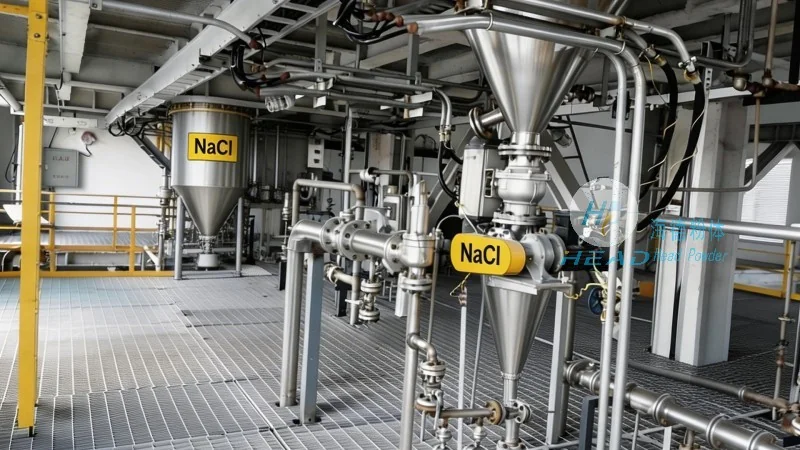
About HeadPowder: A Leading Provider of Pneumatic Conveying Solutions
HeadPowder, formally known as Shandong HeadPowder Engineering Co., Ltd., is a reputable company based in Shandong, China. With a strong commitment to innovation and quality, HeadPowder specializes in designing, manufacturing, and installing pneumatic conveying systems tailored to the specific needs of the feed industry. The company leverages advanced engineering expertise to develop solutions that optimize material flow, improve plant efficiency, and ensure product integrity throughout the conveying process. HeadPowder's team of experienced engineers and technicians works closely with clients to understand their operational requirements and provide customized solutions that meet or exceed industry standards.
Applications of Pneumatic Conveying in Feed Processing
Pneumatic conveying technology is widely applied in various stages of feed processing, from raw material handling to finished product distribution. In feed mills, it is commonly used to transport feed pellets from storage silos to processing equipment, such as mixers or extruders. This method ensures a continuous and uniform flow of material, preventing bottlenecks and reducing downtime. Additionally, pneumatic conveying is employed in the packaging and distribution phases, where it efficiently moves feed pellets from production lines to packaging machines or storage facilities. The technology's ability to handle different particle sizes and moisture content makes it versatile for various feed formulations, including those with additives or supplements.
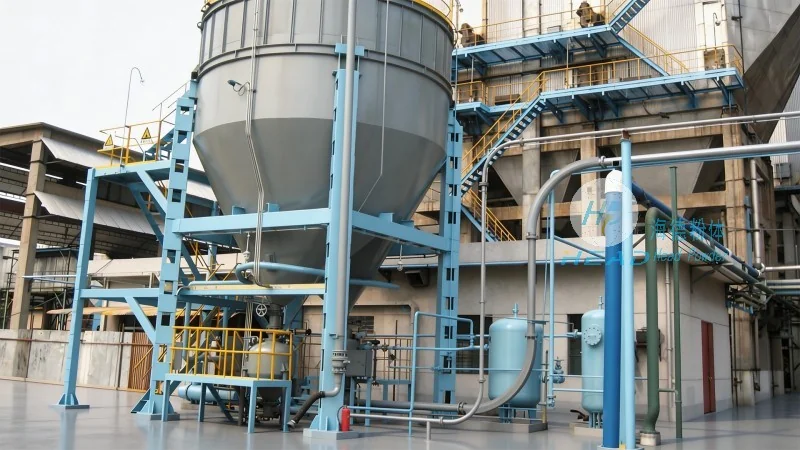
Advancements and Future Trends in Pneumatic Conveying Technology
The field of pneumatic conveying for feed pellets is continuously evolving, with advancements aimed at improving efficiency, reducing energy consumption, and enhancing system reliability. Modern systems often incorporate automation and control technologies, such as variable frequency drives (VFDs) and sensors, to optimize air pressure and flow rates in real-time. This not only reduces energy costs but also extends the lifespan of equipment by minimizing wear and tear. Furthermore, the integration of digital monitoring and predictive maintenance allows operators to proactively address potential issues, ensuring consistent performance and minimizing unplanned downtime. As the feed industry continues to grow and demand higher quality standards, the development of more sustainable and efficient pneumatic conveying solutions will remain a key focus for manufacturers like HeadPowder.