

[Urea Granule Pneumatic Conveying Technology: Principles, Applications, and Development Trends]
Urea granule pneumatic conveying technology represents a sophisticated method for transporting urea granules through a pipeline using air or other gas as the conveying medium. This technology is widely adopted in the fertilizer industry due to its efficiency, flexibility, and ability to handle bulk materials over long distances. The process involves creating a flow of air within a pipeline that lifts and transports the urea granules, making it an essential solution for modern fertilizer production and distribution systems.
Principles of Urea Granule Pneumatic Conveying
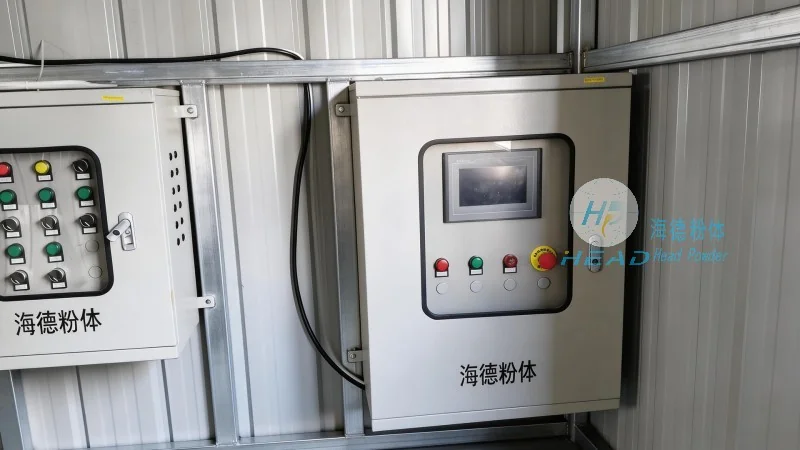
The core principle of pneumatic conveying for urea granules is based on the interaction between the granules and the air stream. As air is introduced into the conveying line, it creates a pressure differential that lifts the urea granules from the hopper or storage silo. The velocity of the air is carefully controlled to ensure that the granules are carried without excessive abrasion or degradation. Key components include the hopper, air compressor, conveying pipeline, and receiver. The system operates by drawing air from the compressor, mixing it with the urea granules, and transporting them to the destination point. The design of the system must consider factors such as granule size, density, and moisture content to optimize conveying efficiency.
Applications in the Fertilizer Industry
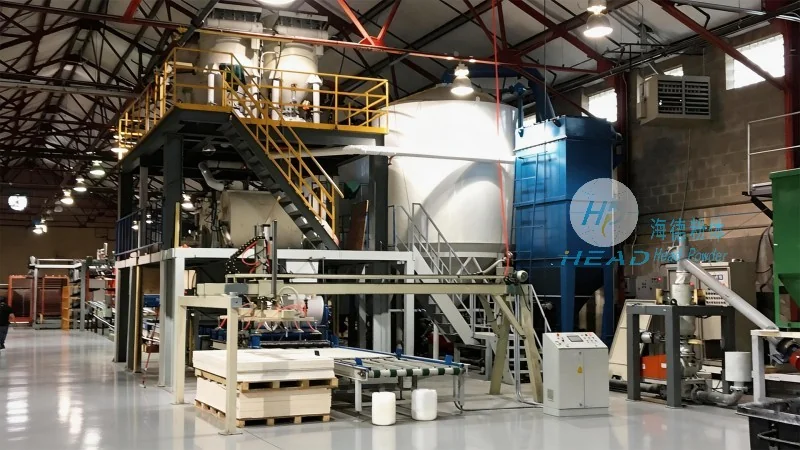
Urea granule pneumatic conveying technology is extensively used in the fertilizer sector for several critical applications. One primary use is in large-scale fertilizer production facilities where urea granules need to be transported from storage silos to processing units or packaging lines. The technology enables seamless integration with existing production lines, reducing downtime and improving operational efficiency. Additionally, it is employed in distribution centers where bulk urea granules are moved from storage to loading areas for trucks or ships. The ability to handle high volumes of material at a time makes it ideal for meeting the demands of agricultural markets. Another application is in the transportation of urea granules to remote agricultural areas, where traditional methods like trucks may be less efficient or cost-effective. The flexibility of pneumatic conveying allows for the movement of materials over long distances without the need for extensive infrastructure modifications.
Advantages of Pneumatic Conveying for Urea Granules
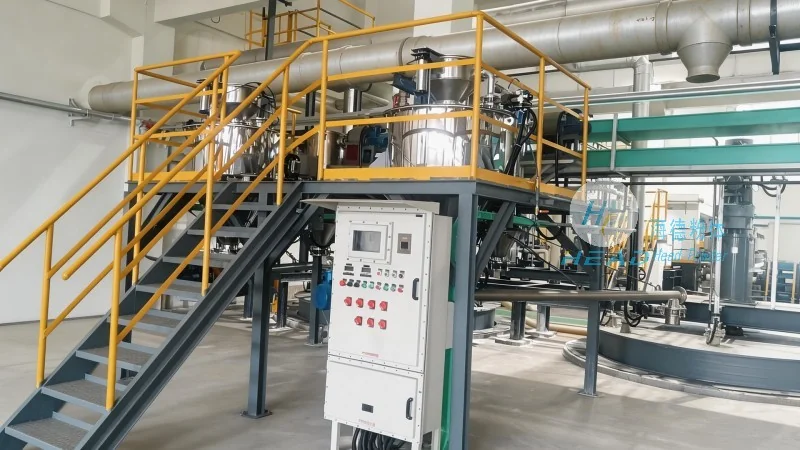
Compared to traditional methods like truck or belt conveyors, pneumatic conveying offers several advantages for urea granule transport. One significant benefit is the reduction in material handling costs. By eliminating the need for multiple transfer points and manual labor, the system minimizes operational expenses. Additionally, it provides better control over the material flow, ensuring consistent delivery rates. The technology also reduces the risk of material contamination and degradation, as the granules are enclosed within the pipeline. Another advantage is the ability to handle varying material characteristics, such as different granule sizes or moisture levels, without significant adjustments to the system. This adaptability makes it suitable for diverse fertilizer production and distribution scenarios. Furthermore, pneumatic conveying systems can be designed to operate in a closed loop, minimizing dust emissions and improving environmental compliance.
Development Trends and Future Prospects
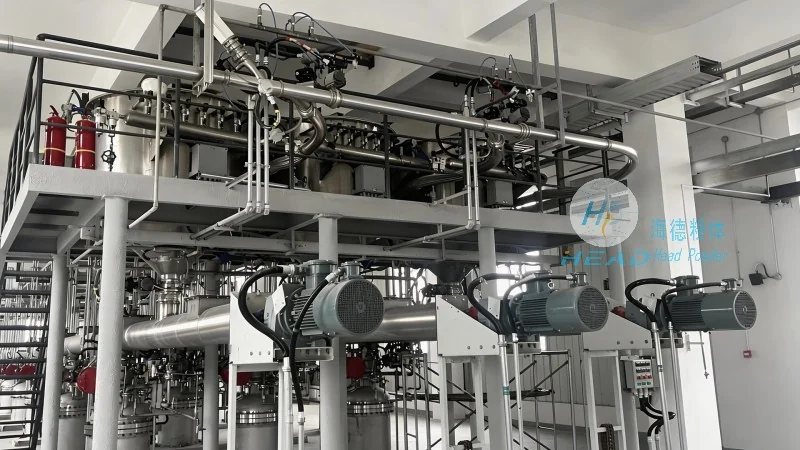
The field of urea granule pneumatic conveying technology is continuously evolving, driven by advancements in engineering and material science. One key trend is the development of more efficient air compressors and energy-saving systems. Modern compressors are designed to operate with higher efficiency, reducing energy consumption and operational costs. Additionally, the integration of automation and control systems allows for real-time monitoring and adjustment of the conveying process, enhancing overall system performance. Another trend is the use of advanced materials for pipeline construction, such as corrosion-resistant alloys, to improve the durability and longevity of the conveying system. This reduces maintenance costs and extends the operational life of the equipment. Furthermore, the adoption of digitalization and IoT technologies is enabling predictive maintenance and optimization of the conveying process. By collecting data on system performance, operators can identify potential issues before they become critical, leading to improved reliability and reduced downtime. The future of urea granule pneumatic conveying technology is likely to focus on sustainability and environmental compliance, with further reductions in energy consumption and emissions. As the agricultural industry continues to grow, the demand for efficient and reliable material transport solutions will drive ongoing innovation in this field.