

[Malt Air Conveying Technology: In-Depth Analysis and Application of Negative Pressure and Positive
Malt air conveying technology plays a crucial role in the modern brewing industry, particularly in the efficient and hygienic handling of malt during the production process. As a key component of material handling systems, air conveyors enable the seamless transport of malt from storage to processing units, ensuring minimal contamination and optimal quality control. This technology is essential for breweries aiming to streamline operations and maintain high standards of product integrity.
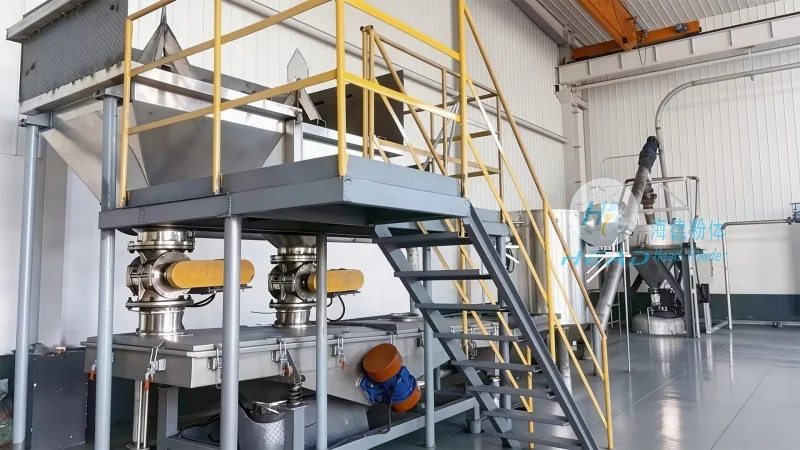
The Importance of Air Conveying in Malt Handling
For malt producers, the choice of air conveying system directly impacts operational efficiency, energy consumption, and product safety. Traditional methods such as manual handling or mechanical conveyors often pose challenges related to hygiene, labor costs, and material degradation. Air conveying offers a solution by eliminating direct contact between malt and equipment, reducing the risk of microbial contamination and preserving the natural enzymes and flavor compounds in the malt. This is especially critical in the brewing process, where the quality of malt directly influences the final taste and characteristics of the beer.
Negative Pressure Air Conveying: Principles and Applications
Negative pressure air conveying, also known as suction conveying, operates by creating a low-pressure zone in the conveying line, which draws material from the source into the system. This method is widely used in malt handling due to its ability to handle fine powders and granules without the need for high-pressure equipment. The system typically consists of a fan or blower that pulls air through the conveying line, carrying the malt particles along with it. The key advantages of negative pressure systems include gentle material handling, low noise levels, and the ability to transport materials over longer distances with minimal pressure drops.
In the context of malt processing, negative pressure conveying is often employed for tasks such as transferring malt from silos to milling equipment or from storage bins to the brewhouse. The system can handle various types of malt, including whole grain, crushed, or milled malt, ensuring consistent flow and preventing material buildup in the conveying line. The hygienic design of these systems, with smooth surfaces and easy-to-clean components, aligns with industry standards for food processing, making them suitable for applications where product purity is paramount.
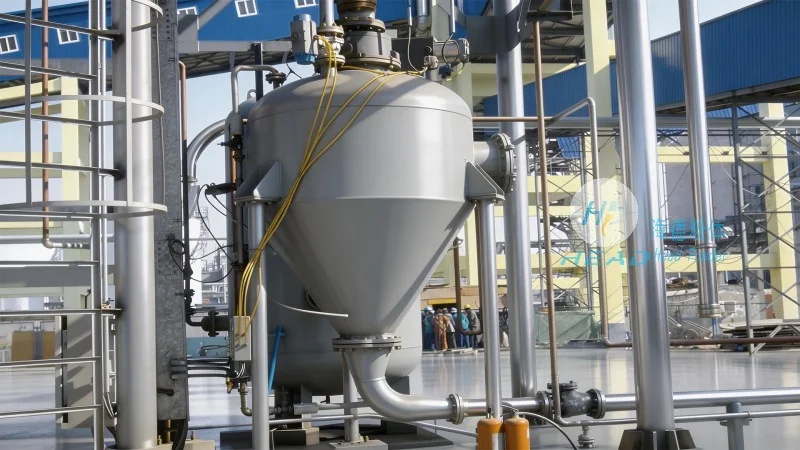
Positive Pressure Air Conveying: Advantages and Use Cases
Positive pressure air conveying, or pressure conveying, works by generating high-pressure air that pushes material through the conveying line. Unlike negative pressure systems, this method is more suitable for handling bulkier materials or those that are prone to clogging. The system uses a positive displacement blower or fan to force air and material through the line, ensuring a consistent flow rate and preventing material separation. Positive pressure conveying is particularly effective for transporting malt that has a higher moisture content or is more prone to sticking, as the high-pressure air helps to break up clumps and maintain a uniform flow.
Applications of positive pressure air conveying in malt processing include transporting malt from the mill to the storage silos, or from the brewhouse to the packaging area. The system's ability to handle larger particles and maintain a stable flow rate makes it ideal for high-throughput operations. Additionally, positive pressure systems are often more energy-efficient for shorter conveying distances, as they require less pressure to move materials compared to negative pressure systems over long distances.
Comparative Analysis: Negative vs. Positive Pressure Conveying
When selecting an air conveying system for malt handling, it is essential to consider the specific requirements of the application, including material characteristics, conveying distance, and operational constraints. A comparative analysis of negative and positive pressure systems reveals distinct advantages and limitations. Negative pressure systems are generally more suitable for handling fine powders and require less maintenance, as they operate at lower pressures. However, they may not be as effective for transporting bulkier materials or over long distances, as the pressure drop can lead to reduced flow rates. Positive pressure systems, on the other hand, are better suited for handling larger particles and longer distances, but they may require more frequent cleaning to prevent material buildup and can be more energy-intensive.
For malt producers, the choice between negative and positive pressure conveying often depends on the specific stage of the brewing process and the type of malt being handled. For example, negative pressure systems may be preferred for transferring crushed malt from the mill to the brewhouse, while positive pressure systems may be used for moving whole grain malt from storage to the milling equipment. Understanding the material properties and operational needs is crucial in selecting the most appropriate air conveying system to optimize efficiency and maintain product quality.
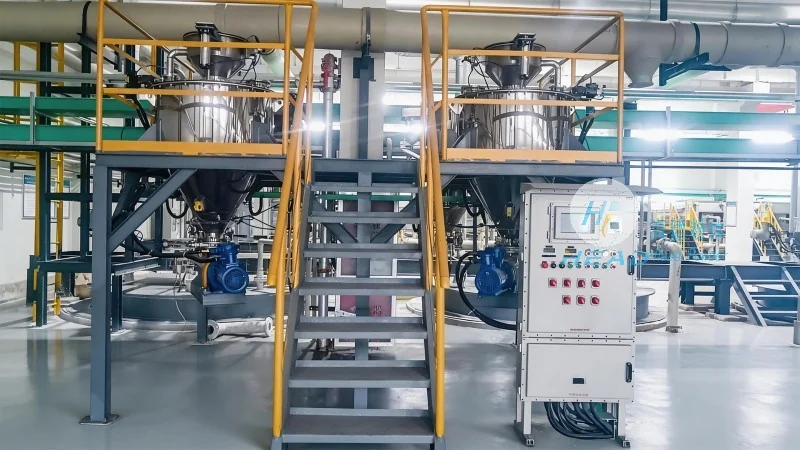
HeadPowder Engineering: Expertise in Malt Air Conveying Solutions
Shandong HeadPowder Engineering Co., Ltd., a leading provider of engineering solutions for the food and beverage industry, specializes in designing and manufacturing customized air conveying systems tailored to the unique needs of malt processing. With years of experience in the industry, HeadPowder has developed a range of advanced air conveying technologies that address the challenges faced by breweries and malt producers. The company's expertise lies in integrating negative and positive pressure systems into comprehensive material handling solutions, ensuring seamless and efficient transport of malt throughout the production process.
HeadPowder's air conveying systems are designed with hygienic standards in mind, featuring smooth, easy-to-clean surfaces and components that minimize the risk of contamination. The company uses high-quality materials such as stainless steel and food-grade plastics to ensure compliance with industry regulations and maintain product integrity. Additionally, HeadPowder offers customization options to accommodate different malt types, conveying distances, and operational requirements, providing tailored solutions that enhance productivity and reduce downtime.
The company's commitment to innovation and customer satisfaction has made it a trusted partner for breweries and malt producers worldwide. By leveraging advanced engineering and manufacturing capabilities, HeadPowder delivers reliable and efficient air conveying systems that meet the highest standards of performance and hygiene. Whether for negative or positive pressure applications, HeadPowder's solutions are designed to optimize the malt handling process, ensuring consistent quality and operational efficiency.