

Gelatin Pneumatic Conveying Technology: In-Depth Analysis of Negative Pressure and Positive Pressure
HeadPowder, a leading provider in the field of pneumatic conveying systems, specializes in advanced solutions for transporting gelatin and other fine powders. This article delves into the technical aspects of negative pressure and positive pressure pneumatic conveying, exploring their applications, advantages, and practical considerations for industrial use.
Introduction to Gelatin Pneumatic Conveying
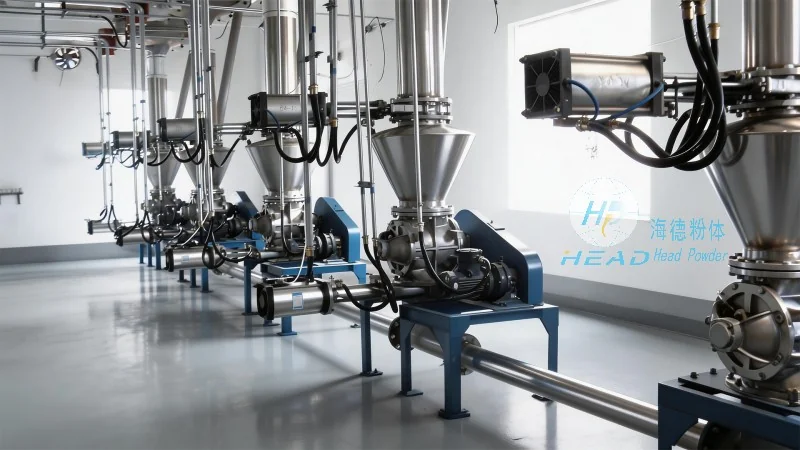
Gelatin, a protein derived from collagen, is widely used in food, pharmaceutical, and cosmetic industries. Efficient and reliable transportation of gelatin powder is crucial for maintaining product quality and ensuring smooth production processes. Pneumatic conveying offers a flexible and effective method for moving these fine powders over short to medium distances, minimizing product degradation and contamination risks.
Negative Pressure (Suction) Pneumatic Conveying
Negative pressure or suction conveying systems operate by creating a vacuum at the material inlet, drawing the powder into the pipeline using air or gas flow. This method is particularly suitable for applications where the material is to be transported from multiple sources or over relatively long distances. The key components of a negative pressure system include a vacuum pump, material feed hopper, and a receiver or collection tank. The system works by pulling the gelatin powder into the pipeline, where it is carried by the air stream to the destination. One of the primary advantages of negative pressure conveying is its ability to handle powders with high moisture content or those that are prone to caking, as the vacuum helps maintain the material's flowability. However, it is important to note that negative pressure systems require careful maintenance to prevent dust emissions and ensure consistent performance.
Positive Pressure (Pressure) Pneumatic Conveying
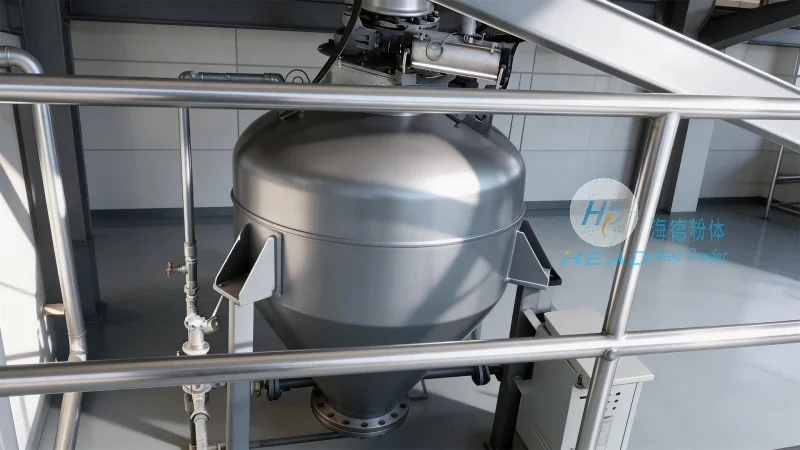
Positive pressure or pressure conveying systems, on the other hand, operate by forcing air or gas through the pipeline, pushing the gelatin powder from the source to the destination. This method is ideal for short to medium distance applications and is often preferred when the material is to be transported from a single source or when high pressure is needed to overcome resistance in the pipeline. The system typically consists of a positive displacement blower or compressor, a material feed hopper, and a discharge point. The air is introduced at the material inlet, creating a pressure differential that propels the gelatin powder through the pipeline. Positive pressure systems are generally more suitable for transporting powders with low moisture content and those that are less prone to caking, as the high pressure helps maintain the material's flow characteristics. They also offer better control over the conveying rate and can handle larger quantities of material compared to negative pressure systems.
Key Considerations for Gelatin Pneumatic Conveying
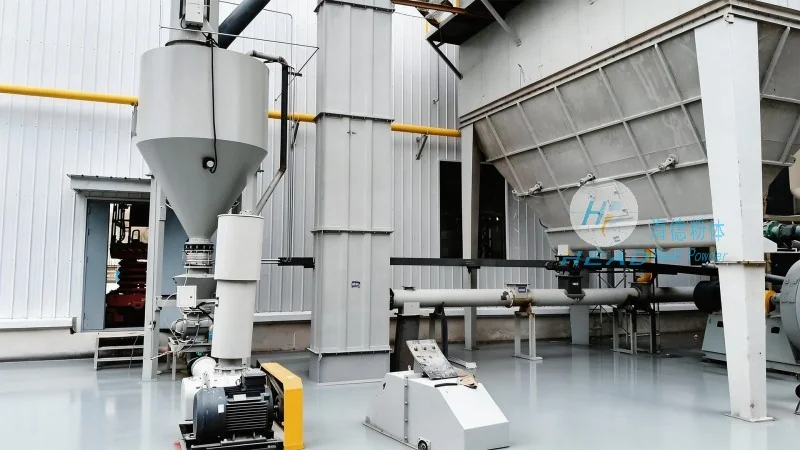
When selecting a pneumatic conveying system for gelatin, several factors must be considered to ensure optimal performance and product quality. The first is the material's physical properties, such as particle size, moisture content, and flowability. Gelatin powders are typically fine and can be hygroscopic, which may affect their behavior in the conveying system. The choice between negative and positive pressure systems depends on the specific application requirements, including the distance to be covered, the number of feed points, and the desired conveying rate. Another important consideration is the system's ability to maintain product integrity. Pneumatic conveying systems must be designed to minimize particle breakage and prevent contamination from external sources. This includes using appropriate materials for the pipeline and components, as well as implementing proper filtration and cleaning procedures. Additionally, energy efficiency is a key factor, as pneumatic conveying systems can consume significant amounts of power. Advanced systems often incorporate energy-saving features, such as variable speed drives and optimized air flow control, to reduce operational costs.
Applications in the Gelatin Industry
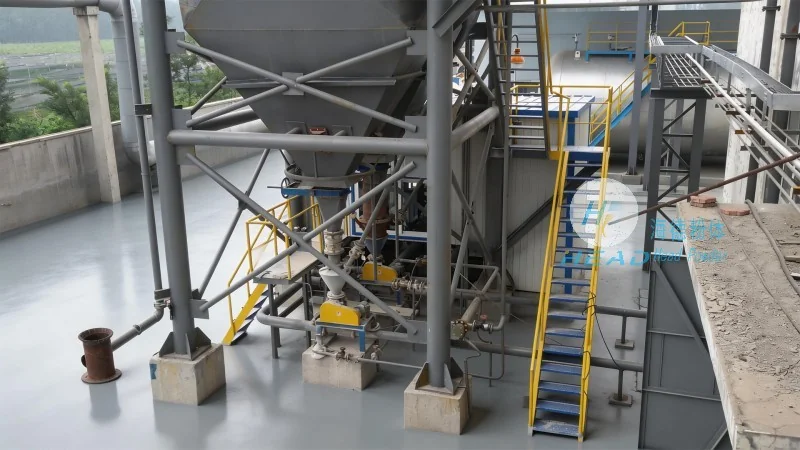
Gelatin pneumatic conveying systems are widely used in various industrial applications within the gelatin sector. In food processing, these systems are employed to transport gelatin from storage silos to mixing and processing equipment, ensuring a consistent supply of material for product formulation. In pharmaceutical manufacturing, pneumatic conveying is used to move gelatin powders to filling lines and packaging machines, maintaining the product's purity and preventing cross-contamination. The cosmetic industry also utilizes pneumatic conveying for transporting gelatin-based ingredients to production lines, where they are incorporated into creams, lotions, and other personal care products. The versatility of pneumatic conveying systems makes them suitable for a wide range of applications, from small-scale laboratory operations to large-scale industrial production.
Conclusion
Both negative and positive pressure pneumatic conveying systems offer effective solutions for transporting gelatin powder, each with its own set of advantages and considerations. The choice between the two depends on the specific requirements of the application, including distance, material properties, and operational constraints. By understanding the technical aspects of these systems and selecting the appropriate configuration, manufacturers can ensure efficient, reliable, and cost-effective transportation of gelatin, thereby enhancing overall production efficiency and product quality. HeadPowder, with its expertise in pneumatic conveying technology, provides tailored solutions to meet the diverse needs of the gelatin industry, helping businesses optimize their material handling processes and achieve their production goals.