

Wool Pneumatic Conveying Technology: In-Depth Analysis of Vacuum and Positive Pressure Conveying App
Wool processing facilities often require efficient and reliable material handling solutions to manage the unique characteristics of wool fibers. Pneumatic conveying technology offers a versatile approach to transporting wool from one location to another within a processing plant. This method utilizes air pressure to move materials, eliminating the need for mechanical components like belts or chains that can be prone to wear and tear in environments with fine particulates. The two primary types of pneumatic conveying systems—vacuum and positive pressure—each present distinct advantages and are suited to different operational requirements in wool processing applications.
Differentiating Vacuum and Positive Pressure Conveying for Wool
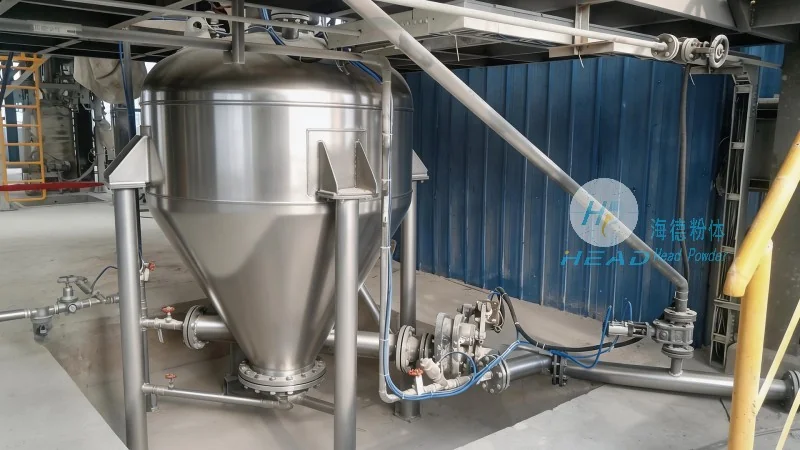
Understanding the fundamental differences between vacuum and positive pressure pneumatic conveying is crucial for selecting the optimal system for wool handling. Vacuum systems operate by creating a low-pressure zone that draws material into the conveying line using a vacuum pump. This method is particularly effective for short to medium-distance transport and for handling materials that are light or have a tendency to settle quickly. In contrast, positive pressure systems generate high-pressure air that forces material through the conveying line, making them ideal for longer distances and for materials that are dense or have a higher bulk density. For wool, which can vary in fiber length and density, the choice between vacuum and positive pressure often depends on the specific processing stage and the distance between equipment.
Key Considerations for Vacuum Pneumatic Conveying in Wool Processing
When implementing a vacuum pneumatic conveying system for wool, several factors must be carefully evaluated to ensure optimal performance. The system design must account for the moisture content of the wool, as higher moisture levels can affect the air flow and material transport efficiency. Additionally, the system must be equipped with appropriate filtration to prevent wool fibers from clogging the air intake and conveying lines. The vacuum pump's capacity and the length of the conveying line are critical parameters that determine the system's throughput. For example, a vacuum system with a 5 HP pump and a 100-meter conveying line may be suitable for transporting wool from a bale opener to a carding machine, handling up to 500 kg per hour under ideal conditions. The choice of pipe diameter and material (typically stainless steel or PVC) also impacts the system's efficiency and maintenance requirements.
Advantages of Positive Pressure Pneumatic Conveying for Wool Handling
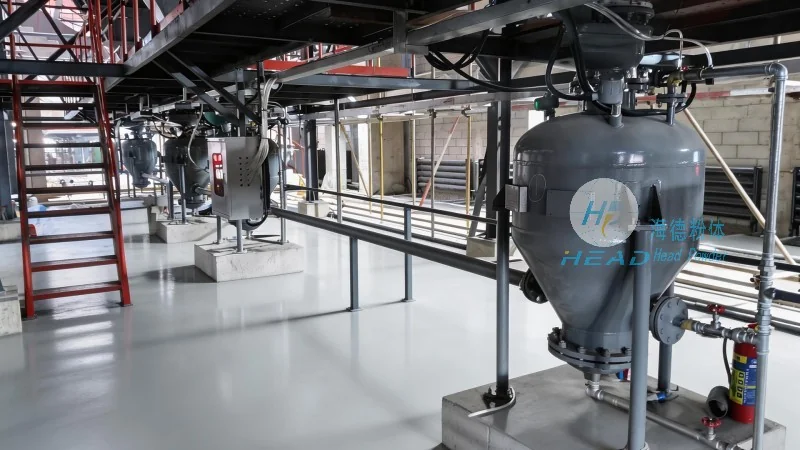
Positive pressure pneumatic conveying systems offer several advantages that make them a preferred choice for many wool processing applications. These systems are generally more suitable for longer transport distances, as the high-pressure air maintains consistent material flow over extended lengths. The positive pressure also helps to prevent dust and fiber contamination from entering the system, which is particularly important in environments where hygiene and product purity are critical. For instance, a positive pressure system with a 10 HP blower and a 200-meter conveying line can transport wool from a storage silo to a spinning machine, achieving a throughput of 800 kg per hour. The system's ability to handle higher material loads and maintain consistent air pressure makes it ideal for continuous processing operations where downtime is minimized.
Integration of Pneumatic Conveying with Wool Processing Equipment
The effectiveness of pneumatic conveying systems in wool processing is enhanced when integrated with other processing equipment. For example, a vacuum system can be connected to a bale opener to draw wool fibers into a storage hopper, which then feeds a carding machine. The positive pressure system can be used to transport processed wool from a carding machine to a combing machine, ensuring a smooth transition between processing stages. The integration of these systems with automated controls allows for real-time monitoring of material flow and system performance, enabling operators to adjust parameters such as air pressure or pump speed to maintain optimal throughput. This integration not only improves efficiency but also reduces labor costs and minimizes the risk of material loss or contamination.
Maintenance and Operational Tips for Wool Pneumatic Conveying Systems
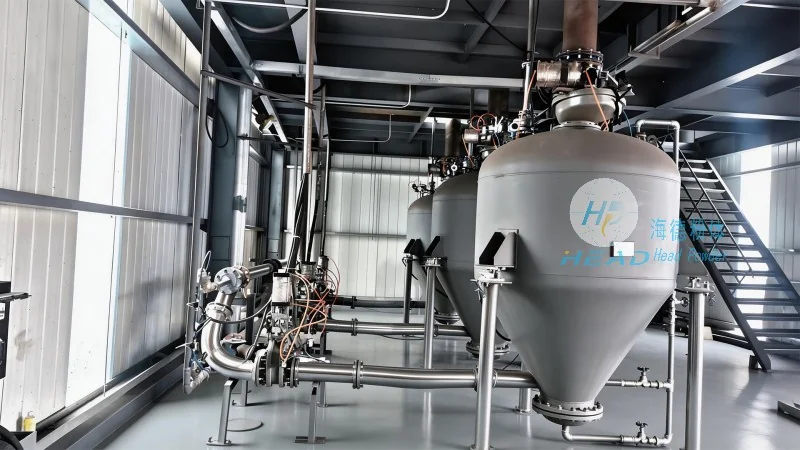
Proper maintenance is essential to ensure the longevity and reliability of pneumatic conveying systems used in wool processing. Regular cleaning of the air intake filters and conveying lines is necessary to prevent wool fibers from accumulating and causing blockages. The vacuum pump or blower should be inspected periodically for wear and tear, and lubricated as per the manufacturer's recommendations. The system's pressure sensors and flow meters should be calibrated regularly to maintain accurate readings. For vacuum systems, checking the vacuum pump's oil level and replacing the oil filter is critical to prevent overheating and system failure. For positive pressure systems, ensuring that the air filter is clean and the blower is operating at the correct RPM is important to maintain consistent air pressure. By following these maintenance practices, wool processing facilities can minimize downtime and maximize the operational efficiency of their pneumatic conveying systems.
Conclusion: Choosing the Right Pneumatic Conveying Solution for Wool
Both vacuum and positive pressure pneumatic conveying systems offer viable solutions for wool handling in processing facilities. The selection of the appropriate system depends on factors such as the distance between equipment, the material's bulk density, and the specific processing requirements. Vacuum systems are ideal for shorter distances and lighter materials, while positive pressure systems are better suited for longer distances and denser materials. By understanding the characteristics of wool and the operational needs of the processing plant, facilities can choose the most effective pneumatic conveying solution. The integration of these systems with other processing equipment and the implementation of proper maintenance practices further enhances their performance and reliability. As wool processing continues to evolve, the use of advanced pneumatic conveying technology will remain a critical component in ensuring efficient and cost-effective material handling.