

[Wheat Pneumatic Conveying Technology: In-Depth Analysis of Negative and Positive Pressure Conveying
HeadPowder, a leading engineering firm based in Shandong, China, specializes in the design and implementation of advanced pneumatic conveying systems for agricultural products like wheat. This article provides a comprehensive exploration of negative and positive pressure pneumatic conveying technologies, focusing on their applications in wheat handling and processing.
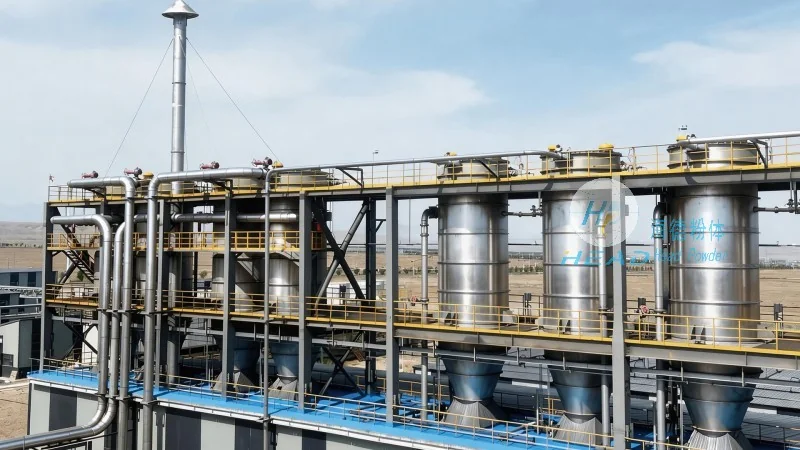
Understanding Pneumatic Conveying Systems for Wheat
Pneumatic conveying is a critical method for transporting bulk materials such as wheat from one location to another without the need for mechanical components like belts or buckets. The technology relies on the movement of air or gas to carry the material through a pipeline. For wheat, which is a delicate and often high-volume agricultural product, selecting the right type of pneumatic conveying system is essential to maintain product quality and operational efficiency.
Key Differences Between Negative and Positive Pressure Conveying
Negative pressure (or vacuum) and positive pressure (or pressure) are the two primary methods used in pneumatic conveying systems. The choice between these systems depends on factors such as the distance of material transport, the volume of material to be moved, and the specific characteristics of the wheat being handled.
Positive pressure systems operate by blowing air or gas into the conveying line, creating a pressure higher than the ambient air pressure. This method is typically used for short to medium-distance transport and is effective for handling fine or powdery materials like wheat flour. The system pushes the material forward, ensuring a consistent flow and preventing material degradation.
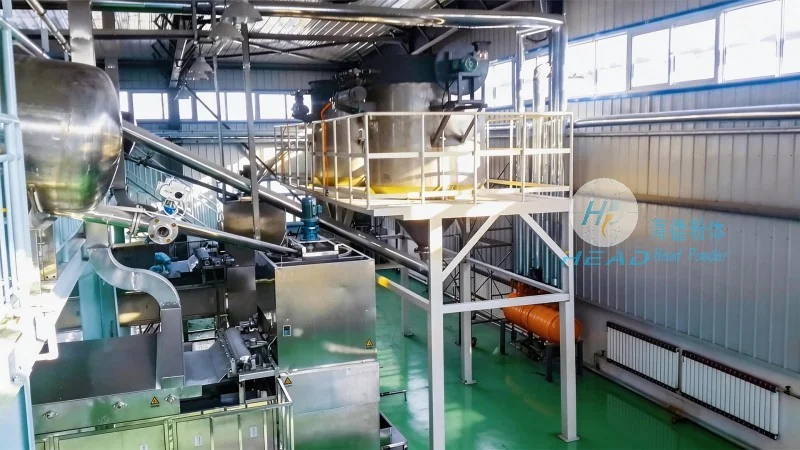
Negative pressure systems, on the other hand, create a vacuum in the conveying line, drawing the material and air into the system. This approach is ideal for longer distances and for materials that are more prone to dust or contamination. Negative pressure systems are often preferred when the material is sensitive and requires a cleaner, more controlled environment.
Applications of Negative Pressure Conveying in Wheat Handling
For wheat processing facilities, negative pressure pneumatic conveying is commonly used in several key applications. One primary use is in the transfer of wheat from storage silos to processing equipment such as cleaners, de-stoners, and grinders. The vacuum system efficiently draws the wheat into the pipeline, minimizing the risk of dust and ensuring a clean transfer process.
Another application is in the handling of wheat during the drying and cooling stages. Negative pressure systems can be integrated into the drying process to remove moisture from the wheat while maintaining the grain's quality. The vacuum helps in controlling the airflow, ensuring that the wheat is dried evenly and without excessive heat exposure.
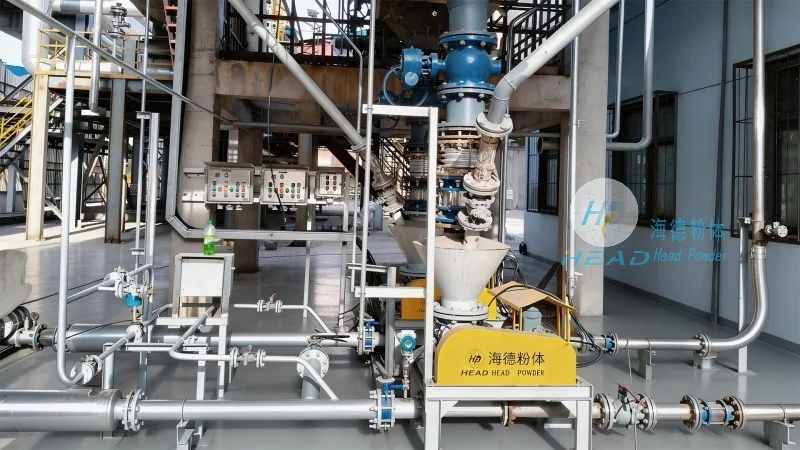
Applications of Positive Pressure Conveying in Wheat Processing
Positive pressure pneumatic conveying is particularly useful in scenarios where the wheat needs to be transported over shorter distances within the processing plant. For example, it is often employed in moving wheat from the cleaning and sorting stages to the milling equipment. The pressure system provides a reliable and continuous flow, ensuring that the wheat reaches the milling machinery without interruptions.
Additionally, positive pressure systems are beneficial in the packaging and distribution phase. After the wheat has been milled into flour or other products, the positive pressure system can be used to transport the finished goods to packaging lines. This method helps in maintaining the product's integrity and preventing contamination during the final stages of production.
Advantages of HeadPowder's Pneumatic Conveying Solutions
HeadPowder Engineering Co., Ltd., with its headquarters in Shandong, China, offers customized pneumatic conveying solutions tailored to the specific needs of wheat handling operations. The company's expertise lies in designing systems that optimize both efficiency and product quality. By leveraging advanced engineering principles, HeadPowder ensures that its systems are capable of handling the unique challenges associated with wheat, such as its varying moisture content and susceptibility to dust.
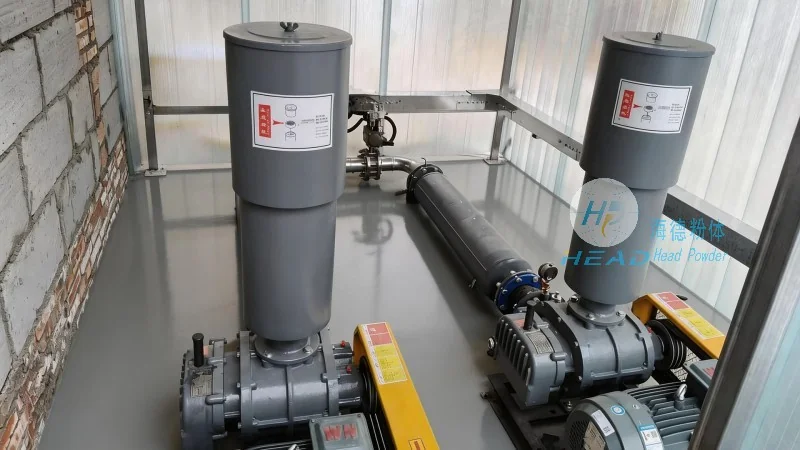
One of the key advantages of HeadPowder's solutions is the ability to integrate negative and positive pressure systems into a single, comprehensive network. This flexibility allows facilities to adapt to different transport requirements, whether they need to move wheat over long distances or handle it within a compact processing area. The company's engineers work closely with clients to assess their operational needs and recommend the most suitable system configuration.
Furthermore, HeadPowder's systems are designed with durability and low maintenance in mind. The use of high-quality materials and robust components ensures that the equipment operates reliably over extended periods, reducing downtime and operational costs for wheat processing facilities. The company also provides comprehensive support, including installation, training, and maintenance services, to ensure that clients can maximize the performance of their pneumatic conveying systems.
Conclusion
In conclusion, the choice between negative and positive pressure pneumatic conveying systems for wheat handling depends on the specific operational requirements of the facility. Negative pressure systems are ideal for long-distance transport and sensitive materials, while positive pressure systems are better suited for shorter distances and high-volume handling. HeadPowder Engineering Co., Ltd., based in Shandong, China, provides advanced, customized solutions that address these needs, ensuring efficient and high-quality wheat processing. By understanding the differences between these technologies and leveraging the expertise of companies like HeadPowder, wheat processing facilities can optimize their operations and maintain the quality of their products.