

Airflow Conveying Technology for Battery Anode Materials: In-Depth Analysis of Negative and Positive
HeadPowder, a leading provider in the field of material handling solutions, specializes in advanced airflow conveying technologies tailored for the battery industry. This article delves into the core concepts of negative and positive pressure systems used in the transportation of battery anode materials, offering a comprehensive understanding of their operational principles, advantages, and practical applications.
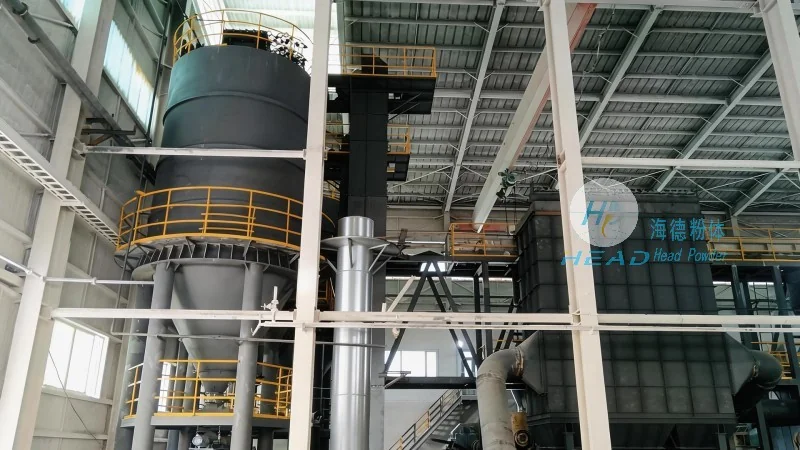
Understanding Negative Pressure Conveying Systems
Negative pressure conveying, also known as vacuum or suction conveying, operates by creating a low-pressure environment at the material inlet. This system draws the material from the source into the conveying line using a vacuum pump. The key components typically include a vacuum generator, a filter system to capture fine particles, and a discharge mechanism that delivers the material to the destination. For battery anode materials, which often consist of fine powders or granules, negative pressure systems are particularly effective in maintaining material integrity and preventing dust dispersion. The controlled suction process ensures that the material is transported efficiently while minimizing the risk of contamination or loss during transit.
Advantages of Negative Pressure Conveying for Battery Anode Materials
One of the primary benefits of negative pressure systems is their ability to handle fine and sensitive materials without causing degradation. The gentle suction action reduces the impact on the material's particle size and surface properties, which is crucial for battery anode materials where uniformity is essential. Additionally, negative pressure conveying is highly effective in environments where dust control is a priority, as the system captures and filters particles at the source, ensuring compliance with environmental regulations. The flexibility of negative pressure systems also allows for the conveyance of materials over longer distances and through complex layouts, making them suitable for various industrial settings.
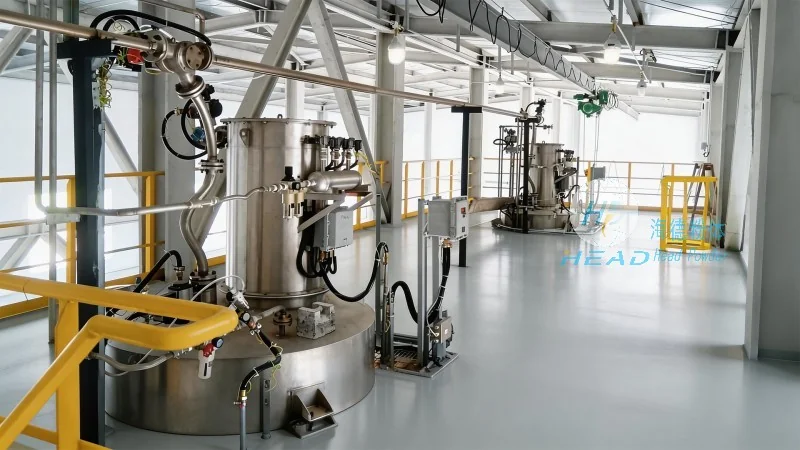
Positive Pressure Conveying Systems: A Complementary Approach
In contrast to negative pressure systems, positive pressure conveying operates by pressurizing the conveying line with air or gas, forcing the material to move from the source to the destination. This method is often referred to as pressure or blow-pipe conveying. The system typically includes a blower, a hopper or feeder to introduce the material, and a discharge nozzle that directs the material to the target location. Positive pressure systems are particularly effective for handling bulkier materials or when the material is prone to caking or agglomeration. For battery anode materials, positive pressure can be advantageous when dealing with larger granules or when the material needs to be transported in a more forceful manner to avoid blockages.
Key Components and Operational Principles
Both negative and positive pressure systems rely on fundamental principles of fluid dynamics and material physics. The design of these systems must consider factors such as material density, particle size distribution, moisture content, and the desired conveying distance. For battery anode materials, which often have specific handling requirements, the selection of appropriate components is critical. For instance, the filter system in negative pressure systems must be capable of capturing sub-micron particles to prevent air pollution, while the blower in positive pressure systems needs to provide sufficient pressure to overcome resistance in the conveying line. The choice between the two systems often depends on the specific characteristics of the material and the operational constraints of the facility.
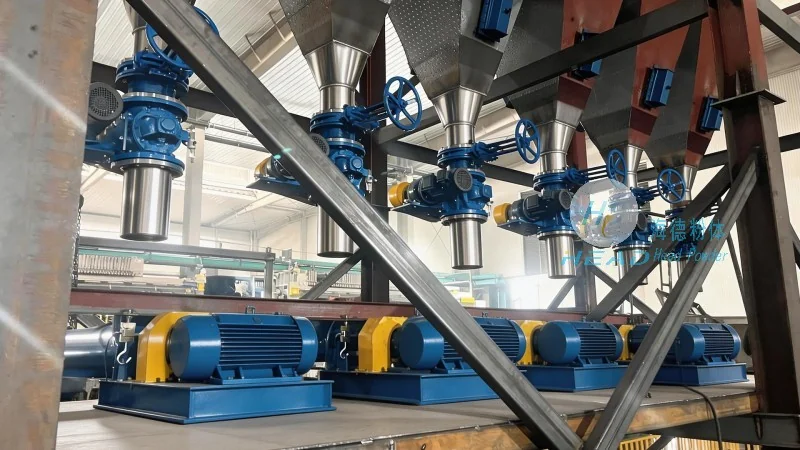
Application Scenarios in Battery Manufacturing
The application of airflow conveying technologies in battery manufacturing is widespread, from raw material handling to final product assembly. Negative pressure systems are commonly used in the initial stages of material processing, such as transporting raw anode powders from storage silos to mixing or coating lines. The gentle handling ensures that the material's properties are preserved, which is vital for achieving consistent battery performance. Positive pressure systems, on the other hand, may be employed in later stages, such as conveying finished anode granules to the cell assembly area. The forceful delivery of positive pressure systems helps in maintaining material flow and preventing clogging in the production line.
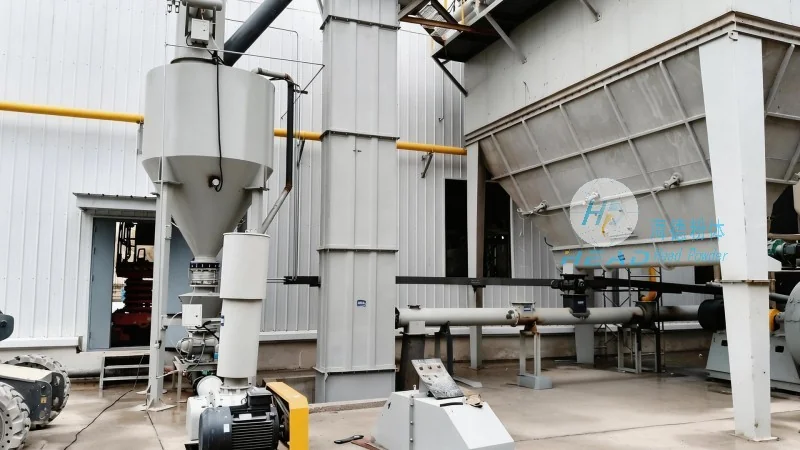
Performance Considerations and Optimization
Optimizing the performance of airflow conveying systems for battery anode materials involves several key considerations. The efficiency of the conveying process is directly related to the system's ability to maintain consistent material flow rates and pressure differentials. Regular maintenance of components, such as filters and blowers, is essential to ensure that the system operates at peak performance. Additionally, monitoring the pressure and flow rates in real-time allows for adjustments to be made promptly, preventing downtime or material loss. For HeadPowder, the expertise lies in customizing these systems to meet the unique needs of each client, ensuring that the conveying process is both efficient and cost-effective.
Conclusion
HeadPowder Engineering Co., Ltd., based in Shandong, China, offers comprehensive solutions for the air conveying of battery anode materials, leveraging both negative and positive pressure technologies. By understanding the distinct advantages of each system and tailoring them to the specific requirements of the material and application, HeadPowder provides reliable and efficient material handling solutions. Whether for negative or positive pressure conveying, the focus remains on maintaining material integrity, ensuring environmental compliance, and optimizing operational efficiency. As the battery industry continues to grow, the demand for advanced material handling technologies will only increase, making HeadPowder's expertise in airflow conveying increasingly valuable.