

Types of Dry Soybean Conveying Methods? An Introduction to HeadPowder's Dry Soybean Pneumatic Conveying System
When it comes to transporting dry soybeans, selecting the right conveying method is crucial for efficiency, cost-effectiveness, and product integrity. Among the various options available, pneumatic conveying systems have emerged as a preferred solution for many industries due to their versatility and ability to handle bulk materials like dry soybeans with precision. This article explores the different dry soybean conveying methods and highlights how HeadPowder's specialized pneumatic conveying system addresses the unique challenges of soybean transport.
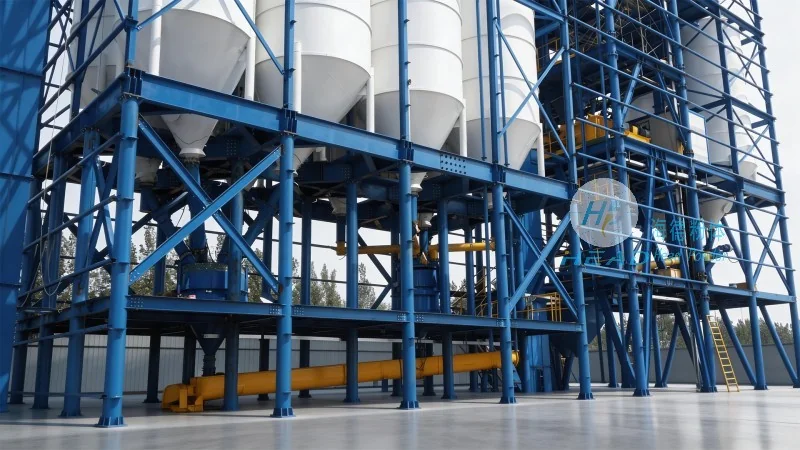
Understanding Dry Soybean Conveying Methods
Dry soybeans are commonly transported using several methods, each with its own advantages and limitations. Traditional methods such as belt conveyors, bucket elevators, and screw conveyors are widely used but may face challenges when dealing with the dust, static, and varying moisture content of soybeans. These conventional systems often require frequent maintenance, can cause product degradation through friction, and may not be suitable for long-distance or high-volume transport. In contrast, pneumatic conveying systems offer a more efficient and hygienic alternative that minimizes product damage and ensures consistent flow.
HeadPowder's Pneumatic Conveying System for Dry Soybeans
HeadPowder, a leading manufacturer of bulk material handling solutions, specializes in developing customized pneumatic conveying systems tailored to the specific needs of dry soybean processing. The company's system is designed to handle dry soybeans with minimal degradation, ensuring that the product maintains its quality from the field to the processing plant. Key features of HeadPowder's dry soybean pneumatic conveying system include:
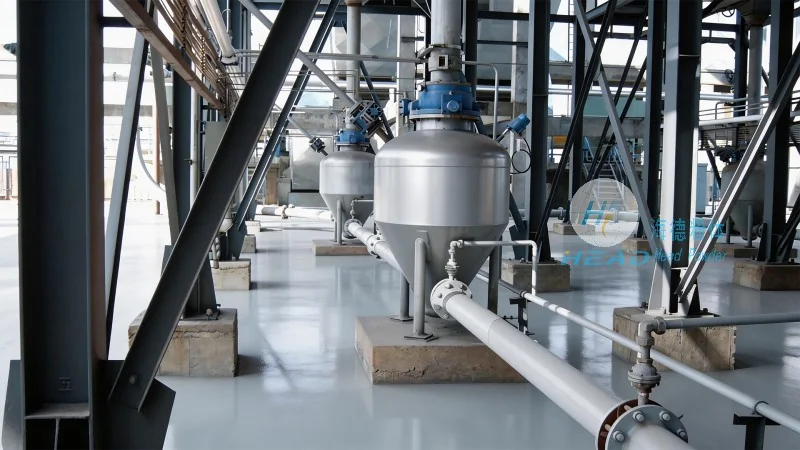
- High-efficiency air flow management to maintain consistent material velocity and prevent clogging.
- Specialized hopper and duct designs that minimize product impact and friction, reducing the risk of breakage or dust generation.
- Advanced control systems that allow for real-time monitoring and adjustment of conveying parameters, optimizing performance and energy usage.
- Hygienic construction materials that meet industry standards for food processing, ensuring compliance with safety regulations.
Benefits of Choosing HeadPowder's Pneumatic Conveying System
Implementing HeadPowder's dry soybean pneumatic conveying system offers several significant benefits for businesses in the soybean processing industry. These include:
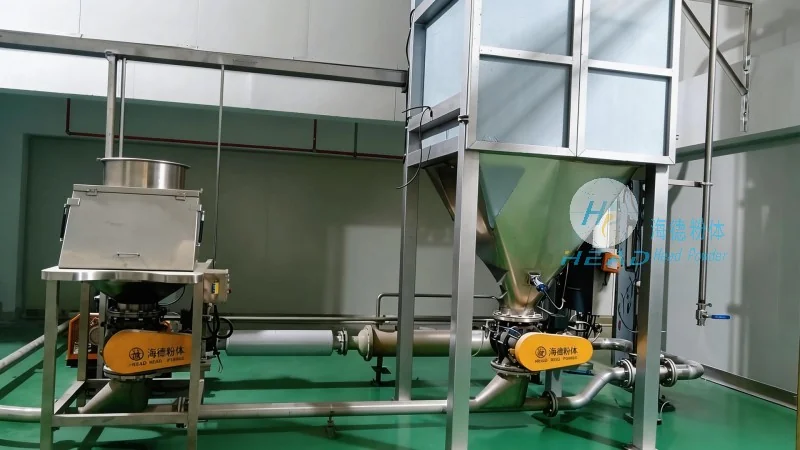
- Improved operational efficiency through reduced downtime and maintenance requirements.
- Enhanced product quality by minimizing damage and contamination during transport.
- Cost savings from lower energy consumption and reduced waste due to improved material handling.
- Scalability to accommodate varying production volumes and future expansion needs.
Customization and Application Flexibility
HeadPowder understands that every soybean processing facility has unique requirements. The company offers comprehensive customization options to ensure that the conveying system integrates seamlessly with existing infrastructure and meets specific operational demands. Whether for short-distance transport within a processing plant or long-distance delivery to a storage facility, HeadPowder's pneumatic conveying solutions can be tailored to handle different volumes, distances, and material characteristics. The system is adaptable to various soybean types, including whole beans, split beans, and processed products like soy meal or soy flour.
Conclusion
For businesses seeking reliable and efficient dry soybean conveying solutions, HeadPowder's pneumatic conveying system represents a superior choice. By combining advanced engineering, quality materials, and customer-focused design, HeadPowder provides a solution that not only meets but exceeds industry standards for bulk material handling. With its headquarters in Shandong, China, HeadPowder leverages local expertise and manufacturing capabilities to deliver robust, durable, and cost-effective conveying systems that enhance productivity and profitability in soybean processing operations.