

What is a Boron Nitride Material Pneumatic Conveying Equipment? And What Are Its Design Principles?
Boron nitride (BN) is a ceramic material with excellent thermal stability, chemical inertness, and electrical insulation properties. In industrial applications, the efficient and safe transportation of BN powders is crucial for production processes. Pneumatic conveying equipment offers a solution to this challenge by using air as the conveying medium to transport solid materials. This article will explore what a boron nitride material pneumatic conveying equipment is and delve into its design principles.
About HeadPowder: A Leading Provider of Pneumatic Conveying Solutions
HeadPowder, or Shandong HeadPowder Engineering Co., Ltd., is a professional manufacturer and supplier of pneumatic conveying equipment based in Shandong, China. With years of experience in the industry, HeadPowder specializes in designing and manufacturing customized pneumatic conveying systems tailored to the specific needs of various industries, including the handling of boron nitride powders. The company's commitment to quality, innovation, and customer satisfaction has established it as a trusted partner for businesses seeking reliable material handling solutions.
What Is a Boron Nitride Material Pneumatic Conveying Equipment?
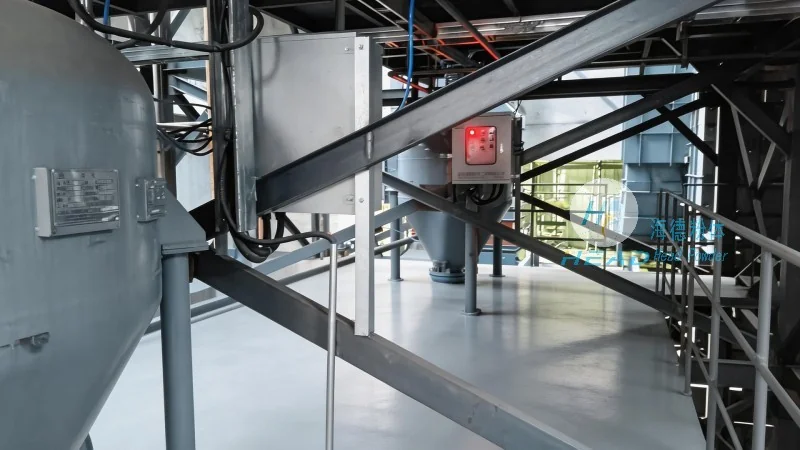
A boron nitride material pneumatic conveying equipment is a system designed to transport boron nitride powders from a source to a destination using air as the conveying medium. The system typically consists of several key components, including a hopper for material storage, a feeder to control the flow of material, a conveying line (often with a venturi or other air acceleration devices), and a receiver for the discharged material. The equipment operates by creating a pressure differential between the inlet and outlet of the conveying line, which draws the material and air mixture through the system. This method is particularly suitable for handling fine powders like boron nitride, which are prone to dusting and caking if not handled properly.
Design Principles of Boron Nitride Material Pneumatic Conveying Equipment
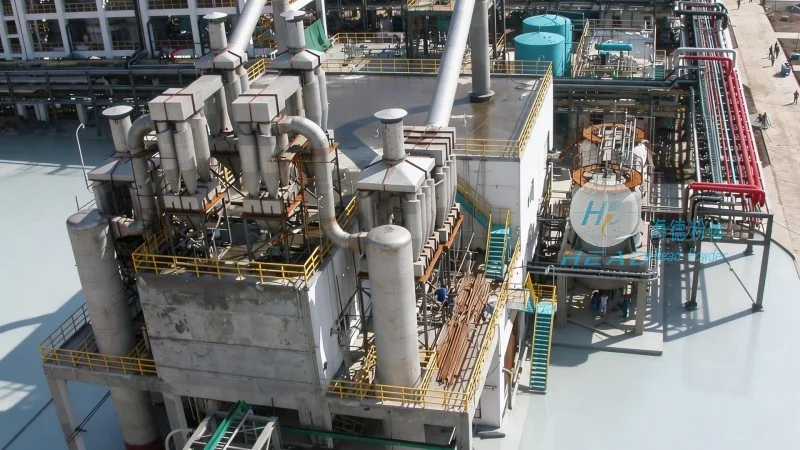
The design of a boron nitride material pneumatic conveying equipment involves several critical principles to ensure efficient and safe operation. First, the system must be designed to handle the specific properties of boron nitride powders, such as their particle size distribution, density, and flow characteristics. The hopper and feeder design must prevent material bridging or agglomeration, which can lead to blockages and system inefficiencies. Second, the conveying line must be constructed from materials that are compatible with boron nitride and resistant to corrosion or wear. Stainless steel or special alloys are commonly used for the conveying line to prevent contamination and ensure durability. Third, the air flow rate and pressure must be optimized to achieve the desired conveying velocity without causing excessive pressure drops or energy consumption. The design also considers the need for dust collection and filtration to maintain air quality and comply with environmental regulations. Additionally, the system should incorporate safety features, such as pressure relief valves and emergency shut-off mechanisms, to prevent accidents and protect personnel.
Key Components and Their Functions
Several key components make up a boron nitride material pneumatic conveying equipment, each playing a vital role in the overall operation. The hopper serves as the storage vessel for the boron nitride powder, providing a consistent supply of material to the feeder. The feeder, often a rotary valve or a vibratory feeder, controls the flow rate of the material into the conveying line, ensuring a steady and controlled feed. The conveying line is the main pathway for the material and air mixture, typically made of flexible or rigid tubing with a venturi or other air acceleration devices to increase the air velocity and draw the material along. The venturi, for example, uses the pressure drop created by the high-speed air flow to entrain the powder particles. The receiver is the final component, where the material is discharged and collected. It is usually equipped with a dust collection system to capture any fine particles that may escape during the conveying process. The control system, which includes sensors and a control panel, monitors the pressure, flow rate, and other parameters to ensure the system operates within safe and efficient limits.
Advantages of Using Pneumatic Conveying for Boron Nitride Handling
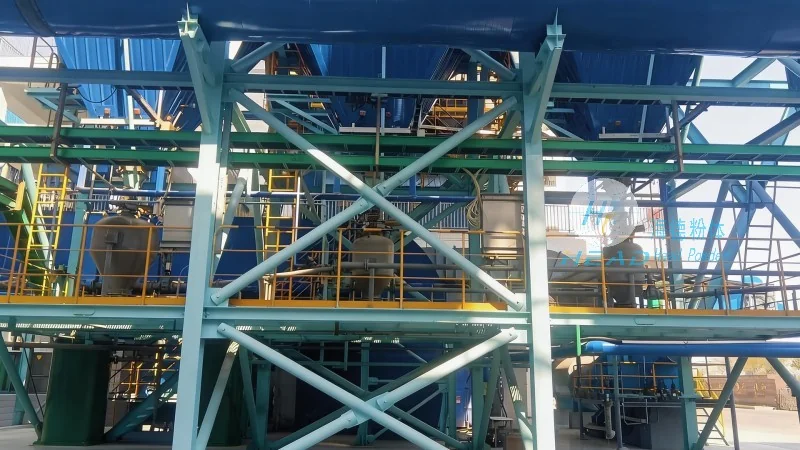
Compared to traditional mechanical conveying methods, pneumatic conveying offers several advantages for handling boron nitride powders. First, it eliminates the need for moving parts in contact with the material, reducing the risk of contamination and wear. Second, the system can handle fine powders without the need for additional equipment like hoppers or chutes, which can cause clogging. Third, pneumatic conveying allows for a more flexible and compact layout, as the conveying line can be routed around obstacles or through different levels. Fourth, the system can be easily integrated with other processes, such as dust collection and material drying, to create a comprehensive material handling solution. Finally, the energy efficiency of pneumatic conveying, especially with optimized air flow rates, can lead to significant cost savings over time.
Applications in Industries
Boron nitride material pneumatic conveying equipment is widely used in various industries that handle fine powders. In the semiconductor industry, for example, boron nitride is used as a dielectric material and a lubricant in high-temperature applications. The pneumatic conveying system ensures that the material is transported safely and efficiently to the production lines without contamination. In the aerospace industry, boron nitride is used as a thermal barrier coating and a lubricant in high-speed bearings. The equipment helps in transporting the powder to the coating facilities or manufacturing plants. In the chemical industry, boron nitride is used as a filler in polymer composites and as a catalyst support. The pneumatic conveying system facilitates the handling of the powder in the production process, ensuring consistent quality and safety. Additionally, in the pharmaceutical industry, where boron nitride is used as a filler in drug formulations, the equipment provides a clean and hygienic method of transporting the material, meeting the stringent regulatory requirements.