

Working Principle and Features of Dust-Free Material Pneumatic Conveying Equipment
For industries that require strict contamination control, dust-free material pneumatic conveying equipment offers a reliable solution. This article explores the working principles and key features of such systems, highlighting how they enhance operational efficiency and product integrity.
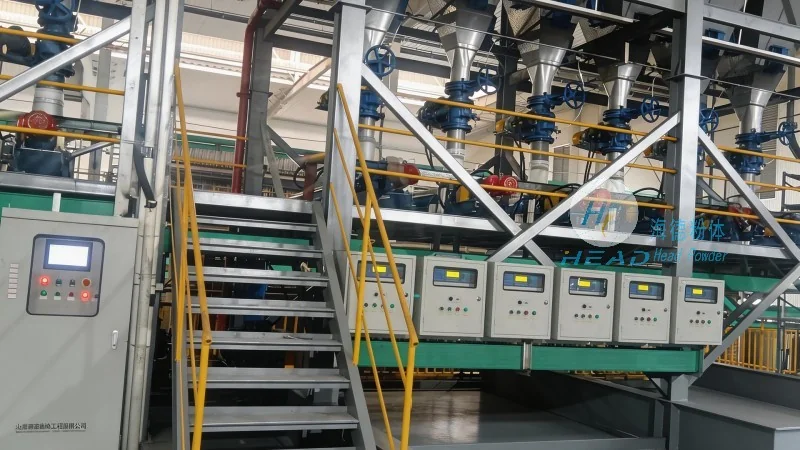
Introduction to Dust-Free Pneumatic Conveying Systems
Dust-free pneumatic conveying equipment is designed to transport bulk materials without generating airborne particles. This is crucial in sectors like pharmaceuticals, food processing, and electronics manufacturing, where even minute contaminants can compromise product quality and safety. The systems operate by using air pressure to move materials through a sealed pipeline network, ensuring that the material remains contained and free from external contamination.
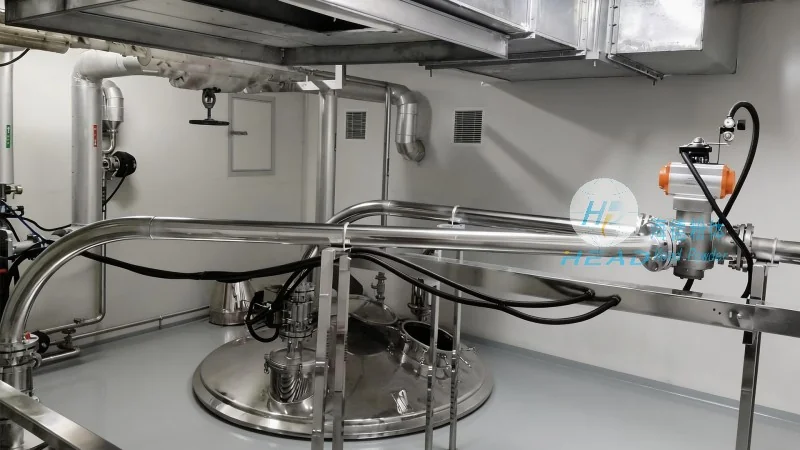
Working Principle of Dust-Free Pneumatic Conveying
The core mechanism of dust-free pneumatic conveying involves the use of either suction or pressure to move materials. In suction systems, a vacuum is created at the material inlet, drawing the material into the pipeline along with air. The material is then separated from the air at the discharge point, typically through a cyclone or filter. In pressure systems, compressed air is used to push the material through the pipeline from a storage silo or hopper. Both methods rely on maintaining a sealed system to prevent dust leakage and maintain a clean environment.
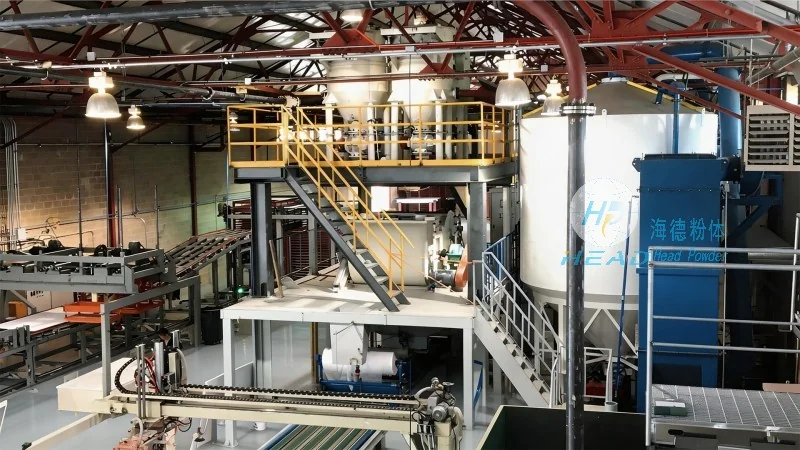
Key Features of Dust-Free Pneumatic Conveying Equipment
Several distinct features make dust-free pneumatic conveying systems ideal for sensitive applications. Firstly, the sealed pipeline design eliminates the risk of dust dispersion, ensuring a clean working environment. Secondly, the systems are highly efficient in terms of material handling, capable of transporting materials over long distances with minimal loss. Thirdly, they offer flexibility in material handling, accommodating various particle sizes and shapes without the need for additional processing steps. Additionally, these systems are easy to integrate into existing production lines, reducing downtime and installation costs.
Applications and Benefits
Dust-free pneumatic conveying equipment is widely used in industries where product purity is paramount. For example, in the pharmaceutical industry, it is used to transport active pharmaceutical ingredients (APIs) and excipients with minimal risk of contamination. In the food industry, it handles ingredients like powders and granules, maintaining hygiene standards. The benefits extend beyond contamination control; these systems also improve workplace safety by eliminating the need for manual handling of dusty materials and reduce operational costs through energy-efficient operation and reduced maintenance.
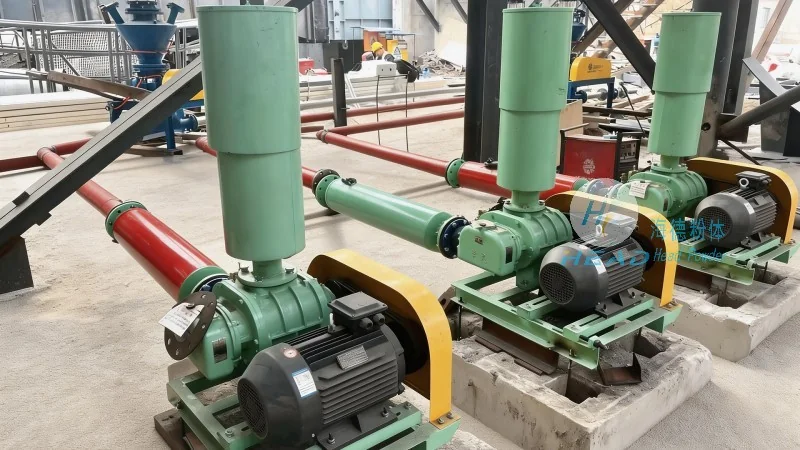
Conclusion
Understanding the working principles and features of dust-free material pneumatic conveying equipment is essential for industries seeking to enhance their material handling processes. By leveraging the sealed system design and efficient air pressure mechanisms, these systems provide a reliable solution for transporting bulk materials while maintaining the highest standards of cleanliness and product integrity. As a leading manufacturer in this field, Shandong HeadPowder Engineering Co., Ltd. specializes in providing customized dust-free pneumatic conveying solutions tailored to the specific needs of various industries.