

Principle and Working Scene Characteristics of Hydroxide Aluminum Pneumatic Conveying Machine
HeadPowder, a leading manufacturer based in Shandong, China, specializes in the design and production of advanced pneumatic conveying systems. This article explores the fundamental principles behind hydroxide aluminum pneumatic conveying machines and highlights their key working scene characteristics, providing insights into their operational efficiency and practical applications.
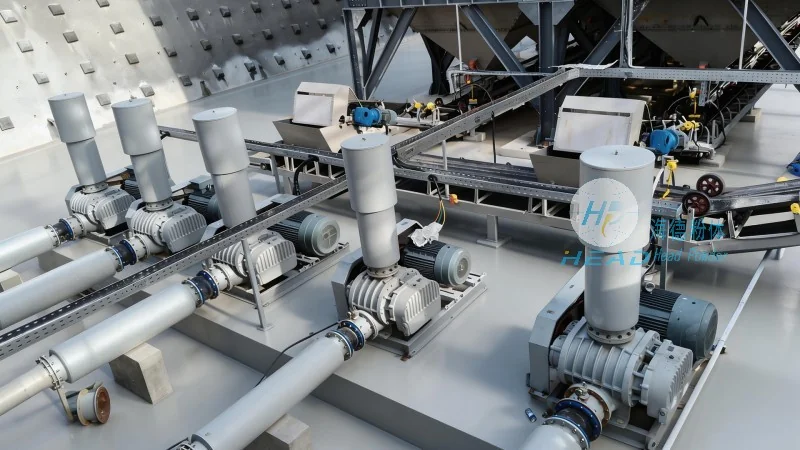
Principle of Hydroxide Aluminum Pneumatic Conveying
The core principle of hydroxide aluminum pneumatic conveying machines involves the use of compressed air to transport solid materials, such as hydroxide aluminum, through a pipeline system. Unlike traditional mechanical conveyors, this method eliminates the need for moving parts like belts or screws, reducing maintenance requirements and enhancing safety. The process typically operates by introducing a controlled amount of air into the conveying line, creating a low-pressure or high-pressure environment that propels the material forward. The system often incorporates a hopper or storage tank to feed the material into the pipeline, with a rotary valve or feeder controlling the flow rate. As the air and material mixture travels through the pipeline, it may encounter various components, including bends, filters, and pressure regulators, which help maintain consistent flow and prevent blockages. The efficiency of the conveying process is influenced by factors like air velocity, material density, and pipeline length, all of which are carefully optimized to ensure reliable and continuous operation.
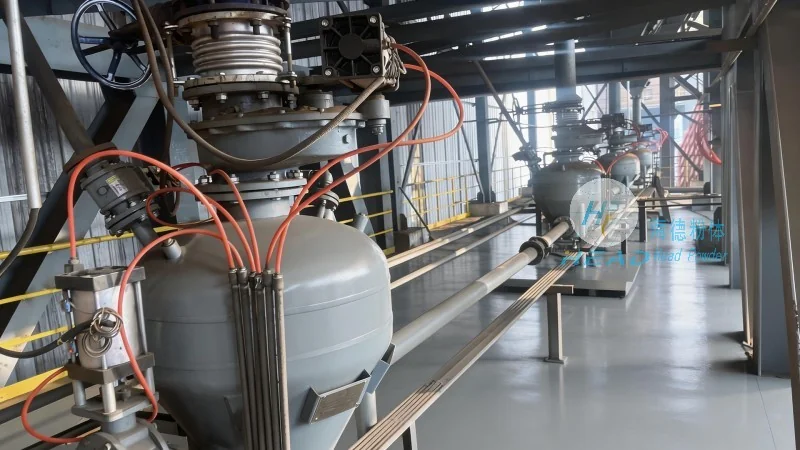
Key Working Scene Characteristics
Hydroxide aluminum pneumatic conveying machines are widely utilized in industrial settings due to their adaptability and effectiveness in handling fine powders and granular materials. The working scene characteristics of these systems are tailored to meet the specific demands of different applications, ensuring optimal performance in various environments. One of the primary advantages is their ability to handle hygroscopic or sensitive materials without causing degradation or contamination, which is crucial for hydroxide aluminum, a material often used in pharmaceuticals, cosmetics, and chemical industries. The systems are designed to maintain a controlled environment, minimizing exposure to moisture and air, thereby preserving the quality of the material during transport. Additionally, the compact design of these machines allows for easy integration into existing production lines, reducing space requirements and installation costs. The flexibility of pneumatic conveying also enables the transportation of materials over long distances or between different levels, making it suitable for large-scale manufacturing facilities. In terms of operational safety, the absence of mechanical components reduces the risk of accidents, such as material spillage or equipment failure, while the enclosed pipeline system prevents dust emissions, contributing to a cleaner working environment. The energy efficiency of these systems is another notable characteristic, as they can operate with lower power consumption compared to traditional conveyors, leading to cost savings over time.
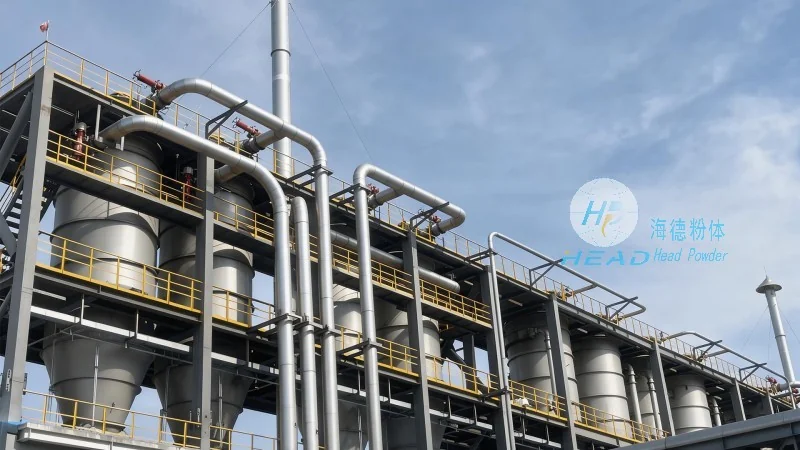
Application Scenarios and Benefits
The versatility of hydroxide aluminum pneumatic conveying machines makes them suitable for a wide range of applications across various industries. In the chemical industry, these systems are commonly used to transport hydroxide aluminum from storage silos to processing units, ensuring a steady supply of raw materials for production. The pharmaceutical sector benefits from the ability to handle hydroxide aluminum in a sterile and controlled manner, as the enclosed system minimizes contamination risks. Similarly, in the cosmetics industry, the precise control over material flow and the prevention of dust exposure are critical, making pneumatic conveying an ideal choice for transporting hydroxide aluminum used in skincare products. The systems also find applications in the food processing industry, where the hygienic design and ability to handle fine powders without cross-contamination are essential. Another key benefit is the reduced labor costs associated with manual handling of hydroxide aluminum, as the automated conveying process streamlines operations and minimizes human intervention. Furthermore, the reliability of these machines ensures consistent material delivery, which is vital for maintaining production schedules and meeting quality standards. The adaptability of the system allows for easy adjustments to accommodate changes in material flow rates or pipeline configurations, providing flexibility in response to varying production demands.