

Principle and Working Scene Characteristics of Phosphoric Hydrogen Calcium Pneumatic Conveying Machi
Phosphoric hydrogen calcium, also known as calcium hydrogen phosphate, is a vital industrial chemical widely utilized in the production of animal feed, fertilizers, and various chemical products. The efficient and reliable transportation of this material from production sites to processing or packaging areas is crucial for maintaining production efficiency and product quality. Pneumatic conveying systems, especially those engineered for handling phosphoric hydrogen calcium, offer a solution that combines efficiency with safety. This article delves into the fundamental principles behind these machines and highlights the key working scene characteristics that make them suitable for handling this specific material.
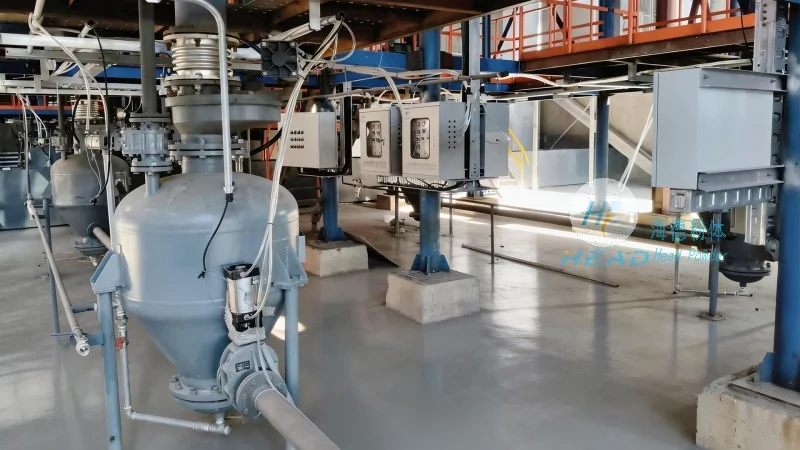
Basic Principle of Pneumatic Conveying Systems
The core principle of a pneumatic conveying machine is the utilization of air or gas to transport bulk materials through a pipeline system. In the context of phosphoric hydrogen calcium, the system typically operates under positive pressure, where air is forced through the pipeline to move the material. The machine comprises several essential components, including a hopper for material storage, a rotary valve or feeder to control the material flow, a conveyor pipe, and a receiver or discharge point. The air flow is generated by a blower or fan, which creates the necessary pressure differential to move the material. The material is suspended in the air stream and carried through the pipeline, often in a dilute phase or dense phase depending on the system design. This method eliminates the need for mechanical components like belts or buckets, reducing maintenance and increasing safety by minimizing direct human contact with the material. The system's design ensures that the material is transported in an enclosed environment, preventing dust dispersion and maintaining product integrity.
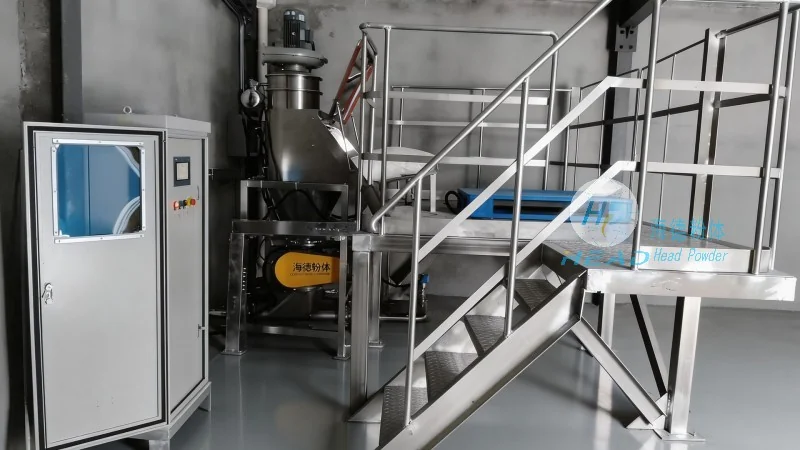
Working Scene Characteristics of Phosphoric Hydrogen Calcium Pneumatic Conveying Machines
The working scene characteristics of these machines are specifically tailored to the properties of phosphoric hydrogen calcium, ensuring optimal performance in industrial settings. One critical characteristic is the system's ability to handle the material's dustiness and potential for static electricity. The design incorporates anti-static features, such as grounding and conductive materials, to prevent dust accumulation and ensure safe operation. Another important characteristic is the system's adaptability to different material flow rates and pipeline lengths. The modular design allows for flexible adjustments to accommodate varying production demands, from low to high throughput. Additionally, the machine's compact structure and modular design make it suitable for installation in confined spaces, which is common in industrial plants. The working environment is typically clean and well-ventilated to control dust and maintain air quality, aligning with safety regulations for handling powders. The system's efficiency in transporting the material without degradation is also a key characteristic, as phosphoric hydrogen calcium is sensitive to moisture and temperature changes. The enclosed pipeline system prevents exposure to external elements, preserving the material's quality during transport and ensuring consistent product quality at the destination.
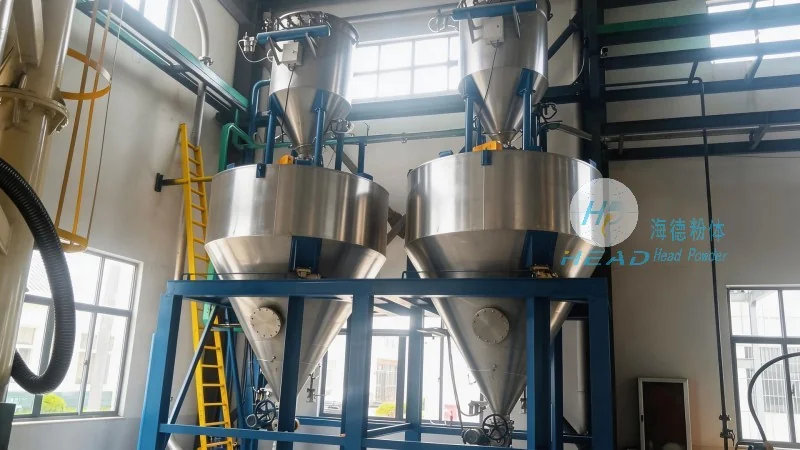
Application Scenarios and Operational Benefits
Phosphoric hydrogen calcium pneumatic conveying machines are widely employed in various industrial applications, particularly in the chemical and feed manufacturing sectors. In animal feed production, these machines efficiently transport the material from storage silos to mixing and processing lines, ensuring a consistent supply of raw material and supporting high-volume production. In fertilizer manufacturing, the system is used to move the material from production reactors to packaging units, facilitating smooth and continuous production processes. The operational benefits of these machines include reduced labor costs due to automated material handling, minimized material loss and contamination, and improved safety for operators. The positive pressure system effectively prevents dust leakage, reducing the risk of respiratory issues and environmental contamination. Furthermore, the system's energy efficiency, as compared to traditional belt conveyors, contributes to lower operational costs over time. The reliability of the pneumatic conveying system, with minimal mechanical parts, results in lower maintenance requirements and longer service life, making it a cost-effective solution for long-term use. The system also enhances production flexibility, allowing for easy integration with existing production lines and future expansion as production needs evolve.
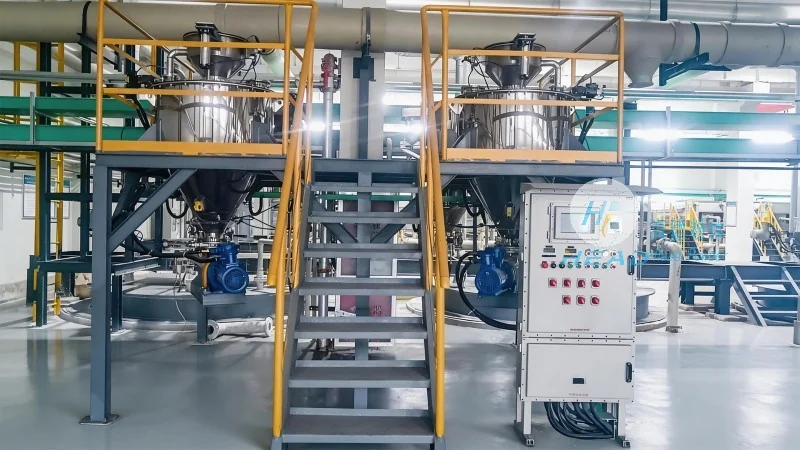
About Shandong HeadPowder Engineering Co., Ltd.
Shandong HeadPowder Engineering Co., Ltd., operating under the brand name headpowder, is a leading manufacturer of industrial conveying equipment, specializing in solutions for handling bulk materials like phosphoric hydrogen calcium. With a focus on innovation and quality, the company designs and manufactures pneumatic conveying systems tailored to the specific needs of its clients. HeadPowder's facilities are located in Shandong, China, where the company leverages advanced technology and skilled engineering to develop reliable and efficient equipment. The company's commitment to customer satisfaction and product excellence has established it as a trusted partner in the industrial equipment market, providing solutions that enhance production efficiency and safety for its clients. HeadPowder adheres to international standards in manufacturing, ensuring that its products meet the highest quality and safety requirements, and offers comprehensive after-sales support to ensure long-term customer success.