

Principle and Working Scenario Characteristics of Plug-Type Powder Conveying Systems
Plug-type powder conveying systems represent a sophisticated method for transporting bulk powders in industrial settings. The core principle of this technology involves creating a "plug" or a dense, continuous column of material that moves through a pipeline under controlled pressure. This approach effectively prevents material segregation, cross-contamination, and the release of dust, making it ideal for applications where material integrity and safety are paramount.
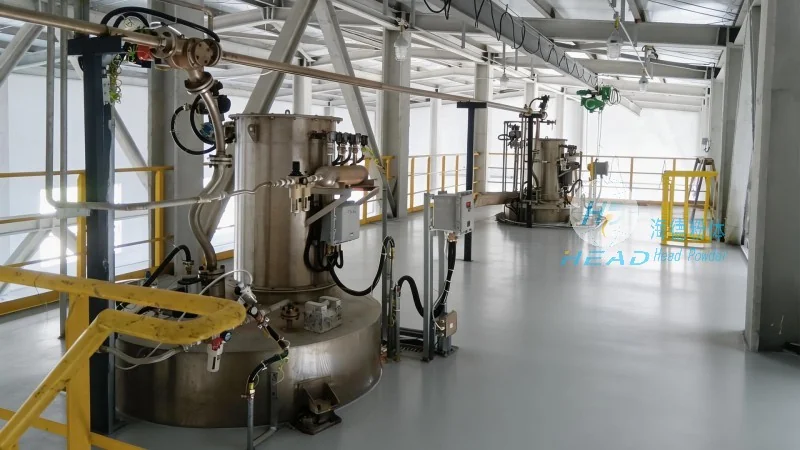
Working Principle of Plug-Type Powder Conveying Systems
The operation of a plug-type powder conveying system is based on the principle of pneumatic conveying with a modified flow control mechanism. Unlike traditional pneumatic systems that rely on continuous air flow to move material, plug-type systems use intermittent pressure pulses to push the powder plug forward. A typical setup includes a hopper for material storage, a feeder to control the flow rate, a conveying pipeline, and a receiver for the discharged material. The system operates by first creating a high-pressure zone at the feeder end, which forces the powder into a compacted plug. Subsequent pressure pulses maintain the plug's integrity as it travels through the pipeline to the discharge point. This method ensures that the powder moves as a single, cohesive mass, minimizing the risk of particle separation and maintaining consistent flow rates.
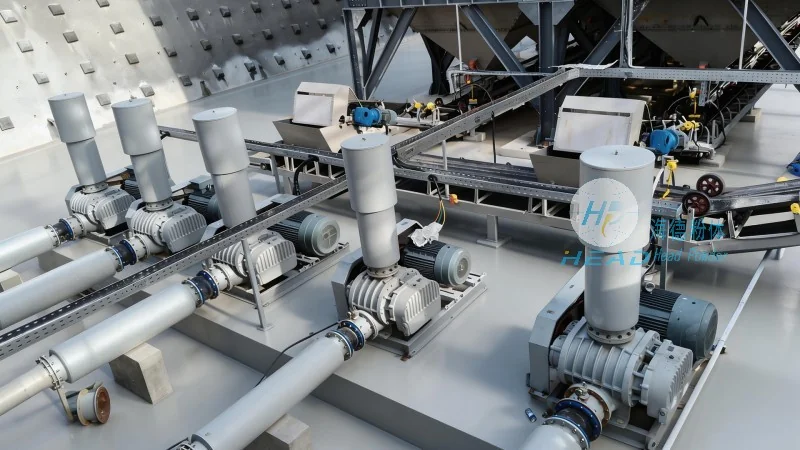
Key Working Scenario Characteristics
Plug-type powder conveying systems are particularly suited for scenarios where material handling demands high precision and reliability. These systems excel in environments such as pharmaceutical manufacturing, food processing, and chemical processing, where product purity and contamination control are critical. The plug formation process effectively isolates the conveyed material from the surrounding air, reducing the risk of dust inhalation and cross-contamination between different batches. Additionally, the system's ability to handle a wide range of powder types—from fine powders like pharmaceuticals to bulk materials like cement—makes it versatile for diverse industrial applications.
Application Examples and Operational Benefits
In pharmaceutical manufacturing, plug-type systems are commonly used to transport active pharmaceutical ingredients (APIs) and excipients, ensuring that the sensitive materials remain intact and free from contamination. The controlled flow and plug formation prevent agglomeration or degradation of the powder, which is essential for maintaining product quality. Similarly, in food processing, these systems are employed to convey ingredients like flour, sugar, or spices, where hygiene and product integrity are non-negotiable. The sealed pipeline and plug mechanism prevent exposure to air and moisture, preserving the quality of the food products. In chemical processing, plug-type systems handle materials like pigments, catalysts, and bulk chemicals, where the risk of dust explosions or material degradation is a concern. The system's ability to maintain a consistent pressure and flow rate ensures stable operation and reduces the likelihood of equipment damage or material loss.
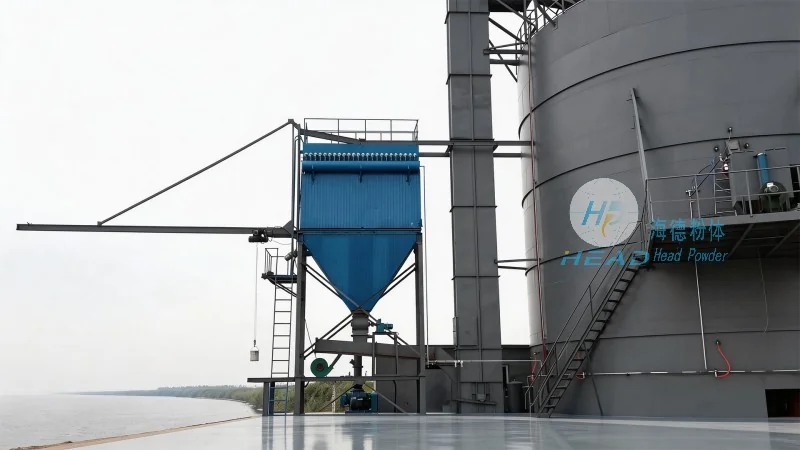
Company Background and Expertise
Shandong HeadPowder Engineering Co., Ltd., based in Shandong, China, specializes in the design, manufacturing, and installation of advanced powder handling systems. With a focus on innovation and customer-centric solutions, the company has developed plug-type powder conveying systems that meet the stringent requirements of various industries. HeadPowder's expertise lies in customizing systems to suit specific operational needs, ensuring optimal performance and efficiency. The company's commitment to quality and safety is reflected in its adherence to international standards and rigorous testing protocols, providing clients with reliable and durable equipment for their powder handling challenges.