

Principle and Working Scene Characteristics of Powder Electrolyte Material Handling Equipment
HeadPowder, a leading manufacturer based in Shandong, China, specializes in advanced powder handling solutions, particularly for electrolyte materials used in battery production. This article explores the fundamental principles and typical operational scenarios of their powder electrolyte material handling equipment, providing insights into its design, functionality, and practical applications.
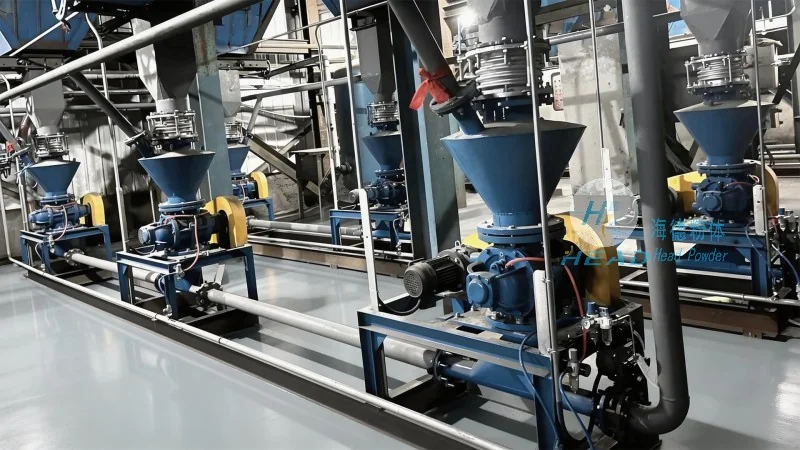
Overview of Powder Electrolyte Material Handling Equipment
HeadPowder's powder electrolyte material handling equipment is engineered to efficiently transport and manage fine powders, such as lithium salts and other electrolyte components, which are critical in the production of lithium-ion batteries. The system integrates various components, including feeders, conveyors, and control mechanisms, to ensure precise and reliable material flow. The design emphasizes safety, efficiency, and scalability, making it suitable for both small-scale laboratory applications and large-scale industrial production lines.
Working Principle of the Equipment
The core working principle of the powder electrolyte material handling equipment involves a series of controlled steps to ensure consistent material transfer. Initially, the powder is fed into a hopper or storage container, where it is then conveyed through a series of mechanisms like screw feeders or pneumatic systems. The equipment uses precise control of air pressure, speed, and material density to maintain a uniform flow rate. Sensors and feedback systems monitor the material level and flow rate in real-time, allowing for automatic adjustments to prevent overloading or blockages. This closed-loop control system enhances operational stability and reduces the risk of material loss or contamination.
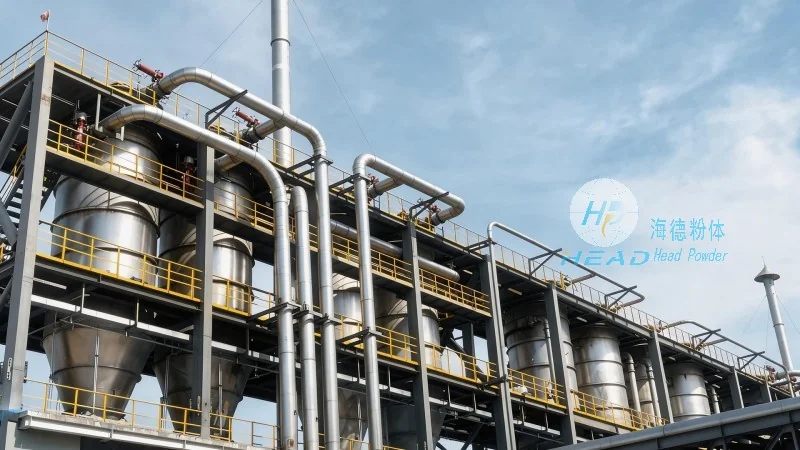
Key Components and Their Functions
The equipment comprises several key components, each playing a vital role in the overall operation. The hopper serves as the primary storage and feeding unit, designed with a conical or rectangular shape to facilitate smooth material discharge. The feeder, typically a screw or vibratory type, regulates the material flow rate from the hopper to the conveyor. The conveyor system, which may include belt or pneumatic tubes, transports the powder to the processing or packaging area. The control panel integrates sensors, valves, and motors, enabling automated operation and real-time monitoring. Additionally, dust collection systems are often integrated to maintain a clean and safe working environment, as fine powders can pose inhalation hazards.
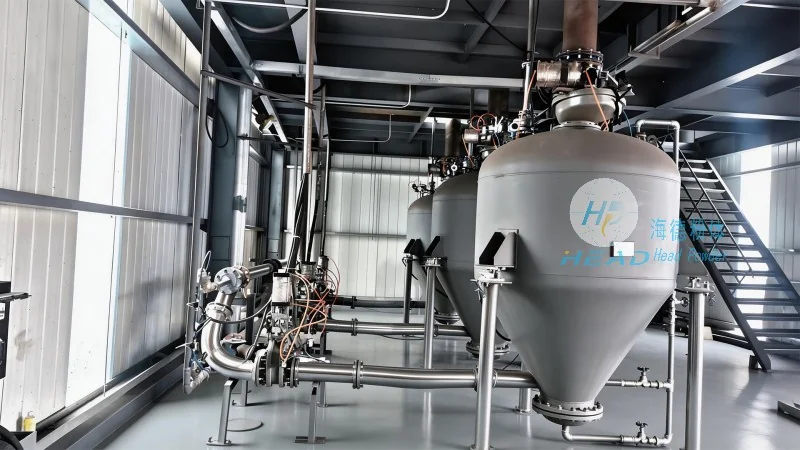
Working Scene Characteristics
The operational scenarios for this equipment vary based on the specific application and scale of production. In laboratory settings, the equipment is used for small-scale testing and research, where precision and flexibility are paramount. The compact design allows for easy integration into existing setups, and the adjustable parameters enable fine-tuning of material flow rates. In industrial production lines, the equipment operates in a continuous mode, handling large volumes of electrolyte material with high efficiency. The robust construction and automated controls ensure consistent performance over extended periods, reducing downtime and maintenance costs. Additionally, the equipment is designed to be compatible with various production environments, including cleanrooms and controlled atmosphere facilities, where material purity and contamination control are critical.
Advantages and Practical Applications
HeadPowder's powder electrolyte material handling equipment offers several advantages that make it a preferred choice in the battery manufacturing industry. The precise control of material flow minimizes waste and ensures consistent product quality. The automated operation reduces labor costs and enhances safety by minimizing human exposure to fine powders. The modular design allows for easy customization and expansion, adapting to changing production needs. Practical applications include the handling of lithium carbonate, lithium hydroxide, and other electrolyte salts in battery cell production lines. The equipment is also suitable for material transfer between different processing stages, such as from mixing to drying or packaging, ensuring a seamless workflow.