

Principle and Working Scene Characteristics of Rapeseed Material Handling System Equipment
HeadPowder, a leading manufacturer based in Shandong, China, specializes in the design and production of advanced material handling systems tailored for rapeseed processing. The company's expertise lies in creating efficient and reliable equipment that addresses the unique challenges of handling rapeseed, a critical crop in the agricultural sector. This article delves into the fundamental principles of rapeseed material handling systems and explores the distinct characteristics of their operational environments.
Understanding the Core Principles of Rapeseed Material Handling Systems
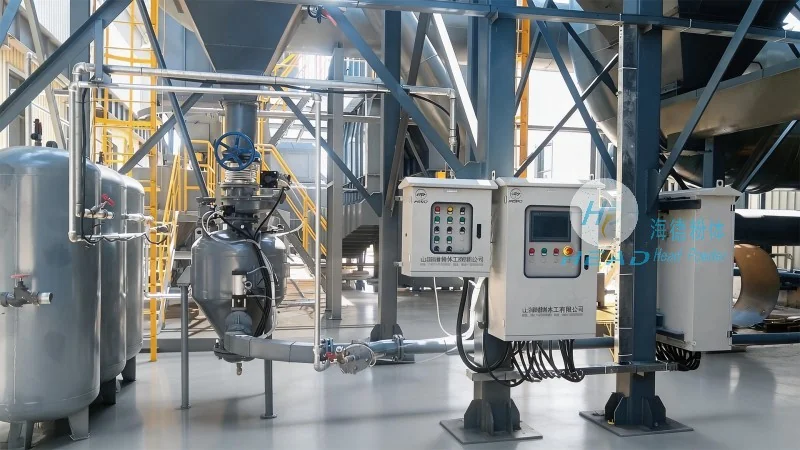
The rapeseed material handling system is engineered to facilitate the seamless transfer of rapeseed from one stage of processing to another. At its core, these systems rely on a combination of mechanical components and control mechanisms to ensure optimal performance. The primary principles include efficient material flow, minimal loss, and durability under harsh operating conditions. Key components such as conveyors, elevators, and storage bins are integrated to form a cohesive system that meets the demands of modern rapeseed processing facilities.
One of the critical principles is the use of specialized equipment designed to handle the physical properties of rapeseed, including its size, density, and moisture content. For instance, the system may incorporate adjustable speed conveyors to manage variations in material flow rates, ensuring that the rapeseed moves smoothly without causing blockages or damage. Additionally, the design incorporates features like anti-static and corrosion-resistant materials to protect the equipment from the natural oils and moisture present in rapeseed, thereby extending its service life and maintaining operational efficiency.
Key Working Scene Characteristics of Rapeseed Material Handling Systems
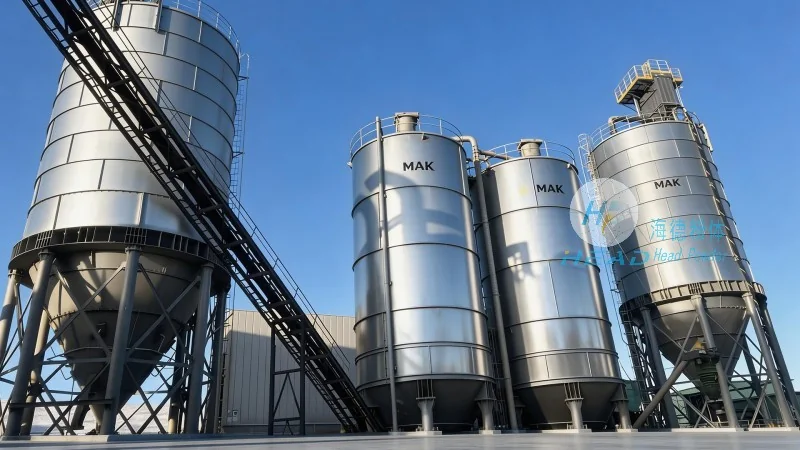
The operational environments where rapeseed material handling systems are deployed exhibit specific characteristics that influence their design and functionality. These environments are typically characterized by high-volume material throughput, often in industrial settings such as oil mills, processing plants, and storage facilities. The systems are designed to operate continuously, often around the clock, to meet the demands of production schedules and market requirements.
Another significant characteristic is the need for integration with other processing equipment. Rapeseed material handling systems are often part of a larger processing line that includes cleaning, crushing, and extraction stages. The design must ensure seamless connectivity and compatibility with these adjacent systems, minimizing downtime and maximizing overall plant efficiency. This integration is achieved through standardized interfaces and modular components that allow for easy installation and maintenance.
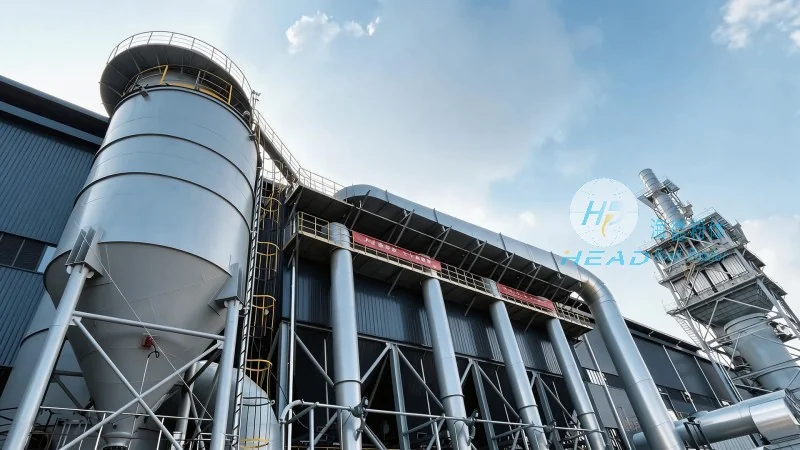
Environmental factors also play a crucial role in the working scene characteristics. Rapeseed processing facilities are often located in areas with varying temperatures and humidity levels, which can affect the performance of the equipment. The systems are engineered to withstand these conditions, with features such as temperature-controlled enclosures and moisture-resistant materials to maintain consistent operation. Furthermore, the systems are designed to minimize dust and noise, contributing to a safer and more comfortable working environment for operators.
Applications and Benefits in Rapeseed Processing
The rapeseed material handling systems developed by HeadPowder are widely used in various applications within the rapeseed processing industry. These systems are essential for tasks such as raw material intake, storage, and transfer to processing units. By automating these processes, the systems enhance productivity, reduce labor costs, and improve the overall quality of the final product.
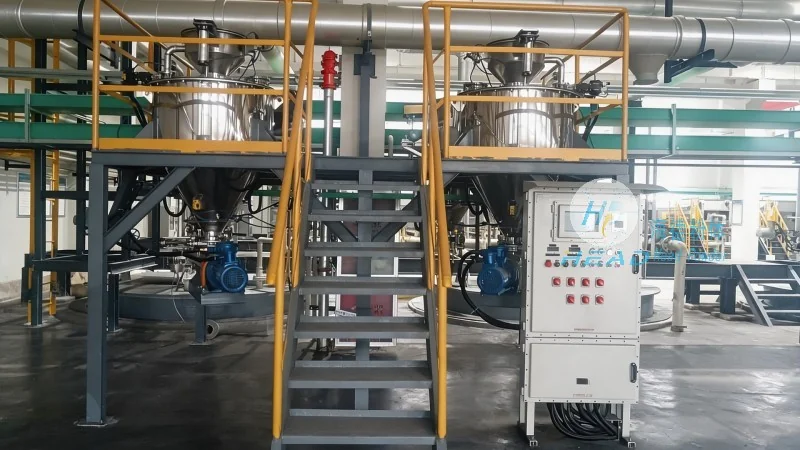
One of the primary benefits of these systems is their ability to handle large volumes of rapeseed efficiently. The conveyor systems can transport substantial quantities of material over long distances, reducing the need for manual handling and associated risks. This not only improves operational efficiency but also enhances workplace safety by minimizing the exposure of operators to heavy lifting and hazardous materials.
Another key benefit is the reduction in material loss and contamination. The systems are designed with precision to minimize spillage and ensure that the rapeseed remains clean and free from foreign objects. This is particularly important in the production of high-quality rapeseed oil, where impurities can affect the final product's quality and market value. The advanced control systems also allow for real-time monitoring of material flow, enabling operators to quickly identify and address any issues that may arise during operation.