

Principle and Working Scene Characteristics of Cassava Starch Powder Pneumatic Conveying Lines
HeadPowder, a leading engineering firm based in Shandong, China, specializes in the design and implementation of advanced pneumatic conveying systems for various bulk materials, including cassava starch. This article delves into the fundamental principles behind these systems and highlights the key operational characteristics that define their effectiveness in industrial settings.
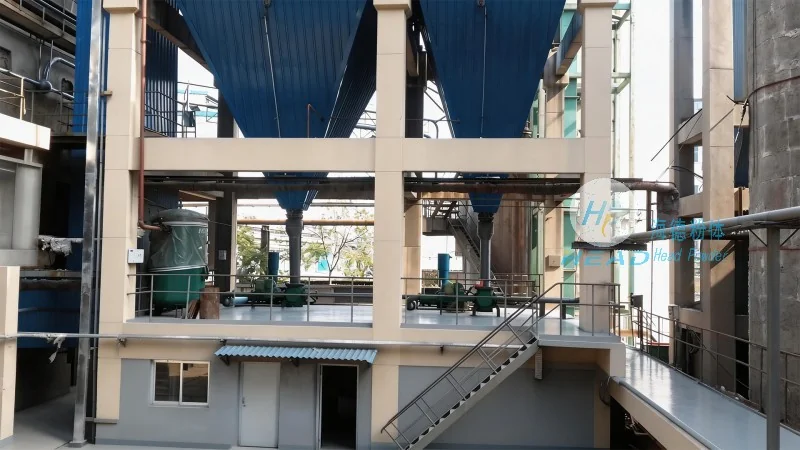
The Core Principle of Pneumatic Conveying for Cassava Starch
The pneumatic conveying line for cassava starch operates on the principle of transporting bulk materials through a pipeline using a gas stream, typically air. Unlike traditional mechanical conveying methods, this system eliminates the need for moving parts in the conveying path, reducing maintenance requirements and enhancing safety. The process involves generating a high-velocity air flow within the pipeline, which entrains the starch particles and propels them from the source to the destination. The design of the system, including the type of air mover (e.g., positive displacement blowers or rotary lobe pumps) and the configuration of the pipeline (e.g., vertical, horizontal, or a combination), is tailored to the specific properties of cassava starch, such as its particle size, moisture content, and flowability.
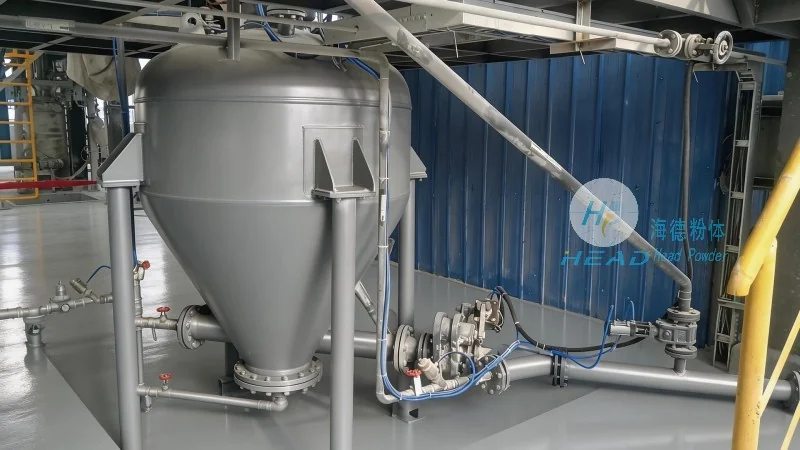
Key Working Scene Characteristics
The operational characteristics of cassava starch pneumatic conveying lines are shaped by several factors that influence performance and efficiency. First, the system's ability to handle abrasive or corrosive materials is critical, as cassava starch can sometimes contain impurities that may affect equipment longevity. HeadPowder's engineering solutions incorporate materials like stainless steel or specialized coatings to mitigate wear and corrosion, ensuring long-term reliability. Second, the system's flexibility in handling varying flow rates is essential for industrial applications where production demands fluctuate. The adjustable air pressure and flow control mechanisms allow operators to modulate the conveying speed, which is crucial for maintaining consistent product quality and preventing material buildup in the pipeline.
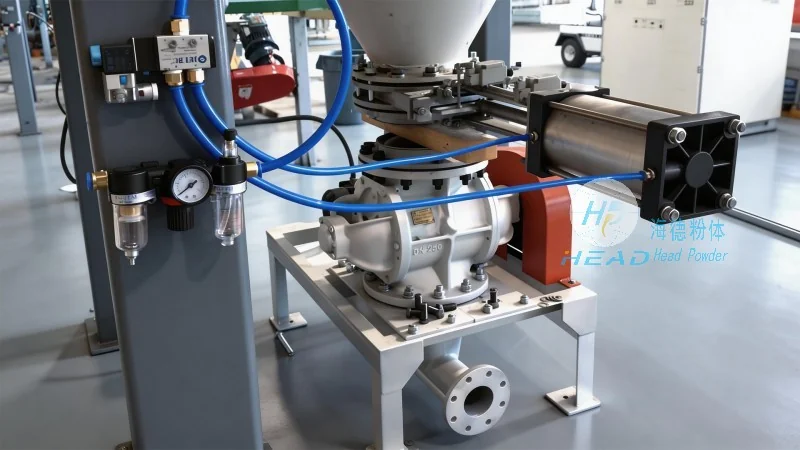
Application Scenarios and Operational Advantages
Cassava starch pneumatic conveying lines are widely used in industrial processes where efficient material transfer is paramount. For instance, in food processing facilities, these systems are employed to transport starch from storage silos to processing lines, ensuring a continuous and hygienic supply of raw material. The enclosed pipeline design minimizes dust exposure and contamination, which is vital for maintaining food safety standards. In addition, the system's ability to operate in both positive and negative pressure modes allows for versatile applications, such as transporting starch from a processing unit back to a storage silo or to a downstream blending operation. Another significant advantage is the reduced labor costs associated with manual handling, as the automated pneumatic system minimizes the need for human intervention in material transfer tasks.
Technical Considerations for Optimal Performance
Ensuring optimal performance of cassava starch pneumatic conveying lines requires careful consideration of several technical parameters. The particle size distribution of the starch is a key factor, as finer particles may require higher air velocities to prevent clogging or deposition in the pipeline. HeadPowder's engineers conduct thorough material analysis to determine the appropriate air velocity and pipeline diameter, which directly impacts the system's efficiency and energy consumption. Additionally, the moisture content of the starch affects its flowability; higher moisture levels can lead to agglomeration, which may impede the conveying process. Therefore, the system design often includes moisture control measures, such as pre-drying or conditioning of the starch before it enters the conveying line. The integration of sensors and monitoring systems further enhances operational efficiency by providing real-time data on flow rates, pressure, and particle concentration, allowing for proactive maintenance and adjustments.
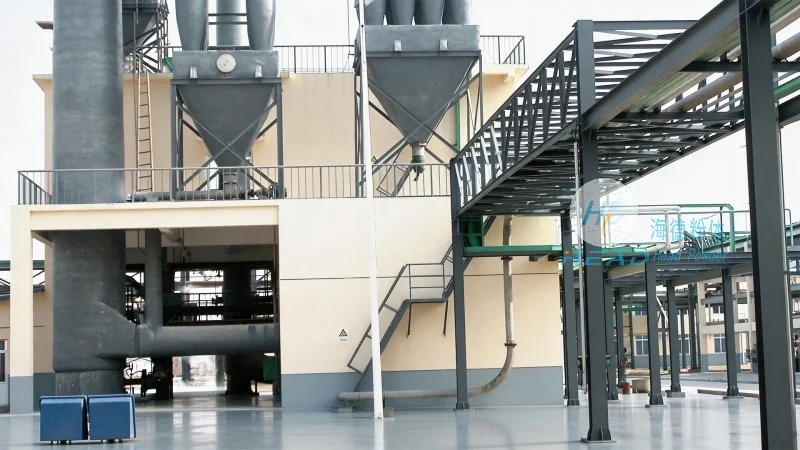
Conclusion
HeadPowder's expertise in designing and implementing cassava starch powder pneumatic conveying lines demonstrates a deep understanding of the principles and operational characteristics required for efficient material handling. By leveraging advanced engineering solutions and tailored system configurations, these lines offer significant advantages in terms of reliability, safety, and cost-effectiveness. As industrial processes continue to demand higher efficiency and precision, the pneumatic conveying systems developed by HeadPowder remain a critical component in the processing of cassava starch, ensuring smooth and consistent operations across various applications.