

Principle and Working Scene Characteristics of Automatic Quantitative Powder Pneumatic Conveying Lin
HeadPowder, a leading manufacturer based in Shandong, China, specializes in the design and production of advanced automatic quantitative powder pneumatic conveying systems. These systems are engineered to efficiently handle the precise measurement and transportation of various powder materials, playing a crucial role in modern industrial processes.
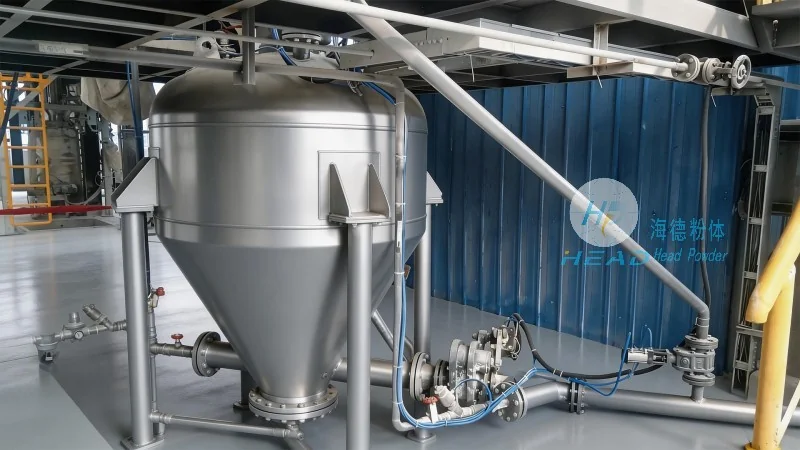
Principle of Operation
The core principle of the automatic quantitative powder pneumatic conveying line lies in the integration of precise metering mechanisms with pneumatic conveying technology. The system typically operates by using a hopper to store the powder material, which is then fed into a dosing unit. This dosing unit, often equipped with advanced sensors and control systems, ensures accurate and consistent measurement of the powder quantity. The measured powder is then transferred through a pipeline using compressed air or other gas as the conveying medium. The entire process is controlled by a programmable logic controller (PLC) or a similar automation system, allowing for real-time monitoring and adjustment of the conveying parameters. This principle enables the system to maintain high accuracy in powder dosing and stable transportation, minimizing material loss and ensuring product quality.
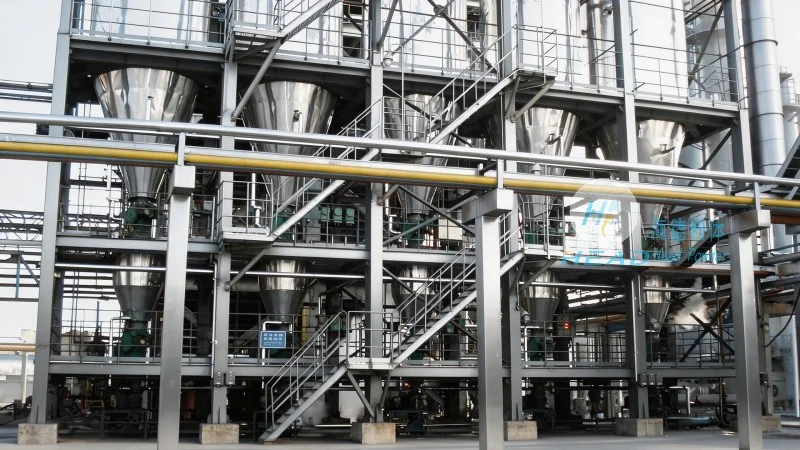
Key Working Scene Characteristics
The automatic quantitative powder pneumatic conveying line is widely applied in diverse industrial scenarios, each with specific requirements that the system addresses effectively. One common application is in the pharmaceutical industry, where the system is used to transport active pharmaceutical ingredients (APIs) and excipients with strict purity and dosage requirements. The precise dosing and enclosed conveying process prevent contamination and ensure compliance with regulatory standards. In the food and beverage sector, the system handles powdered ingredients such as flour, sugar, and spices, maintaining hygiene and preventing cross-contamination. The food-grade design and easy-to-clean components make it suitable for these applications. The chemical industry also benefits from this technology, as it efficiently conveys powders like catalysts, pigments, and reagents, which often require controlled dosing for reaction processes. Additionally, in the agricultural sector, the system is used for the handling of fertilizer powders, ensuring accurate application rates for agricultural purposes. Each of these working scenes highlights the adaptability and reliability of the automatic quantitative powder pneumatic conveying line in meeting the specific demands of different industries.
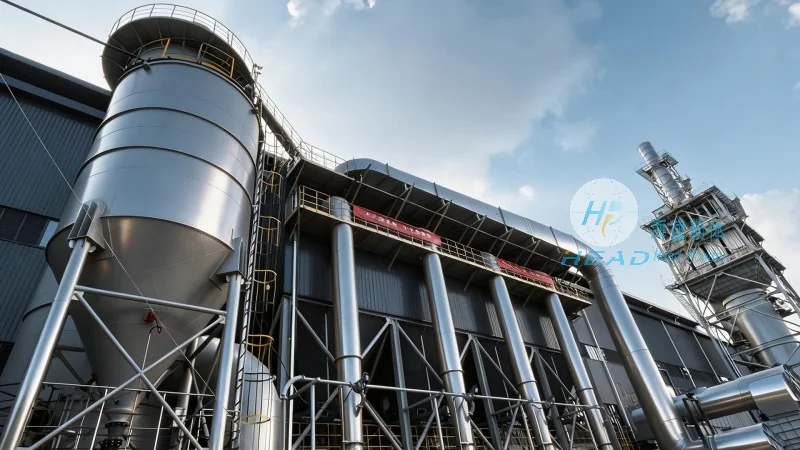
Advantages in Industrial Applications
Implementing an automatic quantitative powder pneumatic conveying line offers several significant advantages for industrial operations. Firstly, the system enhances operational efficiency by automating the powder handling process, reducing the need for manual intervention and labor costs. The precise dosing capability minimizes material waste, as the system delivers exactly the required amount of powder, avoiding over or under-dosing. This not only saves raw material costs but also improves product consistency. Secondly, the enclosed pneumatic conveying system provides a hygienic and dust-free environment, which is critical in industries like food, pharmaceuticals, and chemicals. It prevents dust dispersion into the air, reducing health hazards and maintaining compliance with environmental regulations. Thirdly, the system offers flexibility in handling various powder types, including fine, coarse, and abrasive powders, with adjustable conveying parameters to suit different material characteristics. This adaptability makes it suitable for a wide range of applications. Furthermore, the integration of advanced control systems allows for remote monitoring and diagnostics, enabling quick troubleshooting and maintenance, which minimizes downtime and increases system reliability. These advantages collectively contribute to improved productivity, cost savings, and product quality in industrial settings.