

Principle and Working Scene Characteristics of Powder Pneumatic Conveying Line for Battery Materials
HeadPowder Engineering, a leading provider of advanced material handling solutions, specializes in the design and implementation of powder pneumatic conveying lines tailored for the battery materials industry. This article explores the fundamental principles behind these systems and highlights the key working scene characteristics that make them indispensable in modern battery material processing facilities.
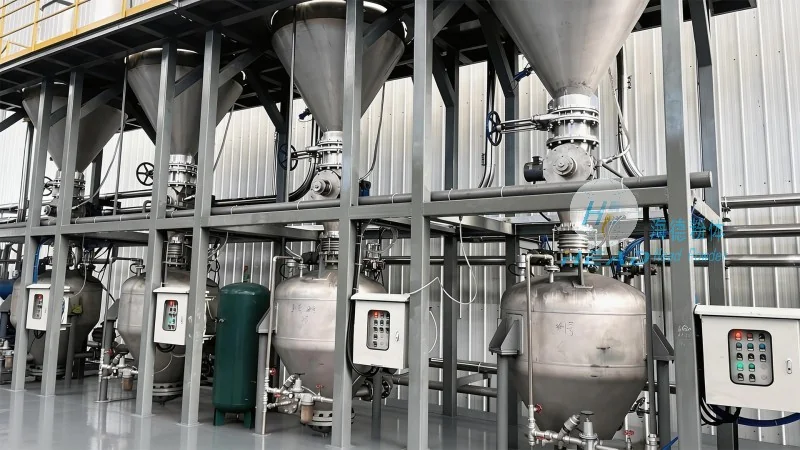
Understanding the Core Principle of Powder Pneumatic Conveying Lines
Powder pneumatic conveying lines operate on the principle of transporting particulate materials through a pipeline using a gas stream, typically air or other gases. The system can be categorized into two main types: positive pressure and negative pressure systems. In positive pressure systems, compressed air is used to push the material through the pipeline, while negative pressure systems employ a vacuum to draw the material from the source. The choice between these systems depends on factors such as material characteristics, distance, and the need for dust control. For battery materials, which often include fine powders like lithium compounds, cobalt oxides, and graphite, the positive pressure system is commonly preferred due to its ability to handle high concentrations of material and maintain consistent flow rates.
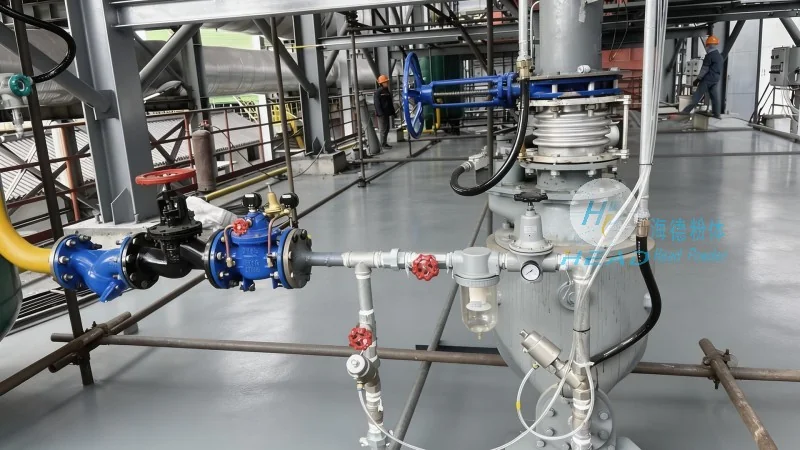
Key Working Scene Characteristics of Battery Material Pneumatic Conveying Lines
The working scene characteristics of these lines are critical to their effectiveness in battery material processing. One of the primary characteristics is the system's ability to handle a wide range of material properties, including varying particle sizes, densities, and moisture content. This versatility is essential in the battery materials sector, where materials such as lithium carbonate, nickel hydroxide, and manganese dioxide are processed. The conveying lines are designed to maintain material integrity, preventing agglomeration or degradation during transport. Another key characteristic is the system's efficiency in terms of energy consumption and space utilization. By eliminating the need for mechanical components like conveyors or elevators, pneumatic systems reduce operational costs and floor space requirements, which is particularly important in high-density industrial environments.
Application Scenarios in Battery Material Processing
Battery material pneumatic conveying lines are widely used in various stages of the battery production process. For instance, in the raw material handling stage, these systems efficiently transport raw materials from storage silos to processing equipment. During the mixing and blending phase, the lines ensure uniform distribution of additives and active materials, which is crucial for achieving consistent battery performance. In the final packaging stage, the conveying lines deliver finished battery materials to packaging units, maintaining product quality and preventing contamination. The working scene characteristics, such as low maintenance requirements and the ability to operate in cleanroom environments, further enhance their suitability for battery material processing, where precision and purity are paramount.
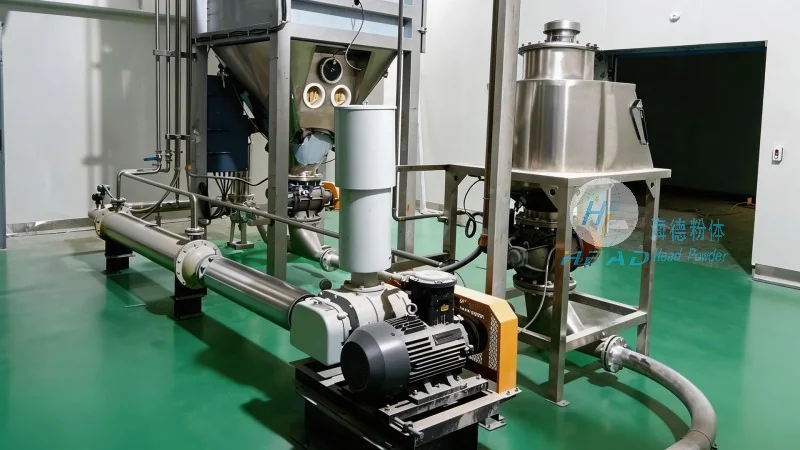
HeadPowder Engineering's Expertise in Custom Solutions
HeadPowder Engineering, headquartered in Shandong, China, leverages its deep understanding of material science and industrial processes to develop customized pneumatic conveying solutions for battery manufacturers. The company's engineers work closely with clients to assess their specific material handling needs, considering factors like material type, processing capacity, and environmental regulations. By integrating advanced control systems and monitoring technologies, HeadPowder ensures that its conveying lines operate reliably and efficiently, meeting the stringent requirements of the battery industry. The company's commitment to quality and innovation has made it a trusted partner for businesses seeking to optimize their material handling processes in the battery sector.