

Principle and Working Scene Characteristics of Anhydrous Sodium Sulfate Powder Pneumatic Conveying L
For industrial applications involving the handling of anhydrous sodium sulfate powder, efficient and reliable material transport is crucial. Pneumatic conveying lines have emerged as a preferred solution, offering advantages such as minimal dust generation, flexible system design, and the ability to transport materials over long distances. This article explores the principle of anhydrous sodium sulfate powder pneumatic conveying lines and highlights the key characteristics of their working scenes.
Principle of Anhydrous Sodium Sulfate Powder Pneumatic Conveying Lines
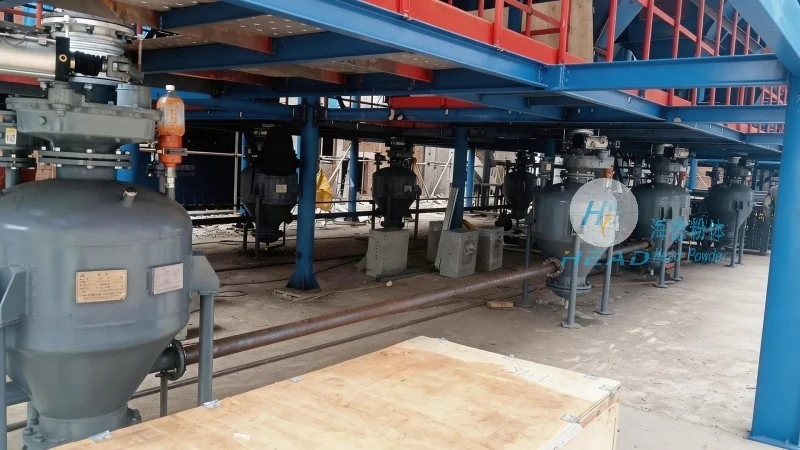
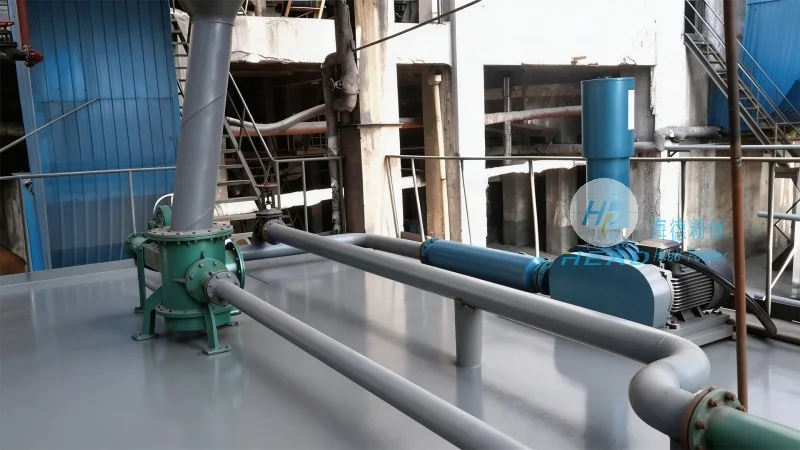
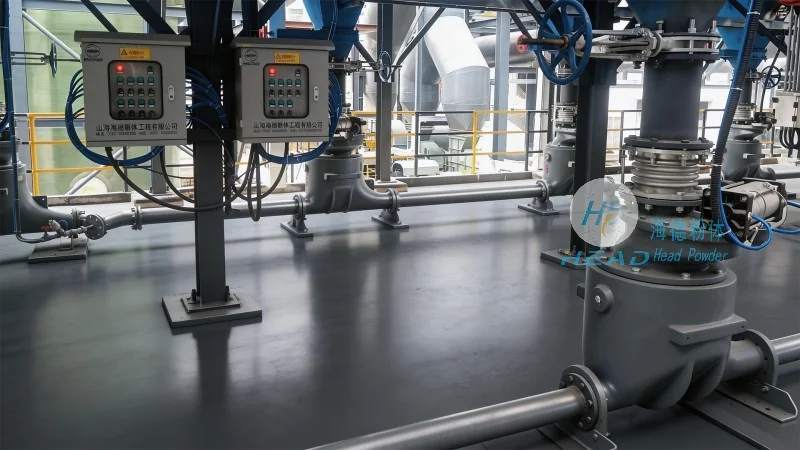
The core principle of a pneumatic conveying system for anhydrous sodium sulfate powder revolves around the use of air to transport the material. There are two primary types of pneumatic conveying: positive pressure and negative pressure systems. In a positive pressure system, air is blown into the conveying line, creating a pressure higher than the ambient air, which propels the powder forward. This method is often used for short to medium distance transport and is suitable for handling bulk quantities of anhydrous sodium sulfate. The system typically includes a hopper, a rotary valve, a conveyor pipe, and a dust collector. The rotary valve controls the flow of powder from the hopper into the pipe, while the conveyor pipe transports the mixture of powder and air to the destination. The dust collector then separates the powder from the air, ensuring that the material is delivered in a clean and controlled manner. The design of the system is critical to maintain consistent flow rates and prevent blockages, which can occur if the powder is too fine or has high moisture content. HeadPowder, a leading provider in this field, specializes in customizing pneumatic conveying solutions tailored to the specific properties of anhydrous sodium sulfate, such as its particle size distribution, density, and flowability. The company's engineers use advanced computational fluid dynamics (CFD) simulations to optimize the system design, ensuring that the air velocity and pressure are precisely controlled to achieve efficient and reliable transport. This approach minimizes energy consumption and maximizes the system's lifespan, making it a cost-effective solution for industrial applications.