

Principle and Working Scene Characteristics of a Calcium Fluoride Material Pneumatic Conveying Syste
For industrial applications involving the handling of calcium fluoride, efficient material transport is crucial. Pneumatic conveying systems offer a reliable solution for moving this material safely and effectively. This article explores the fundamental principles behind such systems and highlights key working scene characteristics that make them suitable for various industrial environments.
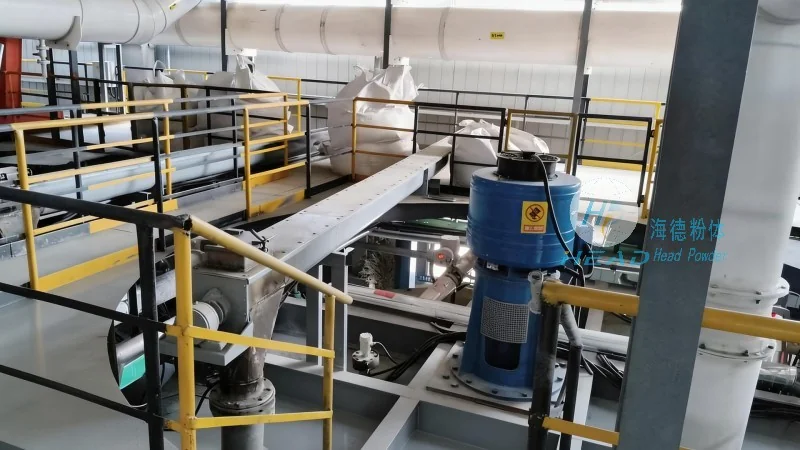
Understanding the Core Principles of Pneumatic Conveying
The operation of a calcium fluoride pneumatic conveying system is based on the use of air or other gases to transport bulk materials. The system typically consists of a hopper, a conveyor line, and a receiver. As material is introduced into the hopper, it is drawn into the conveyor line by the force of the moving air. The air velocity is carefully controlled to ensure that the material is carried along the line without clogging or degradation. This method of transport is particularly effective for calcium fluoride because it is a fine, powdery material that can be easily suspended in the air stream.
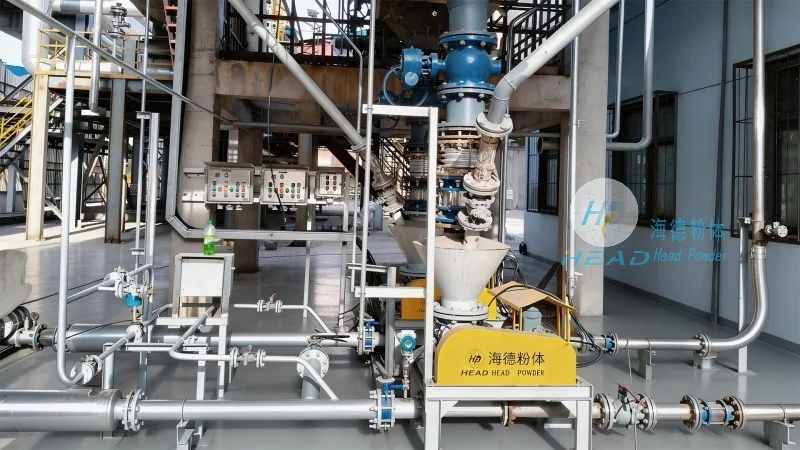
Key Working Scene Characteristics
The suitability of a pneumatic conveying system for calcium fluoride applications is determined by several working scene characteristics. First, the system must be able to handle the specific properties of calcium fluoride, such as its particle size and density. The design of the system, including the air velocity and the dimensions of the conveyor line, is optimized to accommodate these properties. Second, the system must be capable of operating in environments where dust control is essential. Pneumatic conveying systems are inherently dust-free compared to other methods like belt conveyors, making them ideal for applications where air quality is a concern. Third, the system must be able to integrate with existing industrial processes. This includes considerations such as the location of the hopper and receiver, as well as the need for compatibility with other equipment in the facility.
Applications and Benefits in Industrial Settings
Calcium fluoride pneumatic conveying systems are widely used in various industrial settings. For example, in the chemical industry, these systems are used to transport calcium fluoride from storage to processing equipment. In the mining industry, they are used to move calcium fluoride from mining sites to processing plants. The benefits of using such systems include increased efficiency, reduced labor costs, and improved safety. The systems are also relatively low maintenance, which reduces downtime and operational costs.
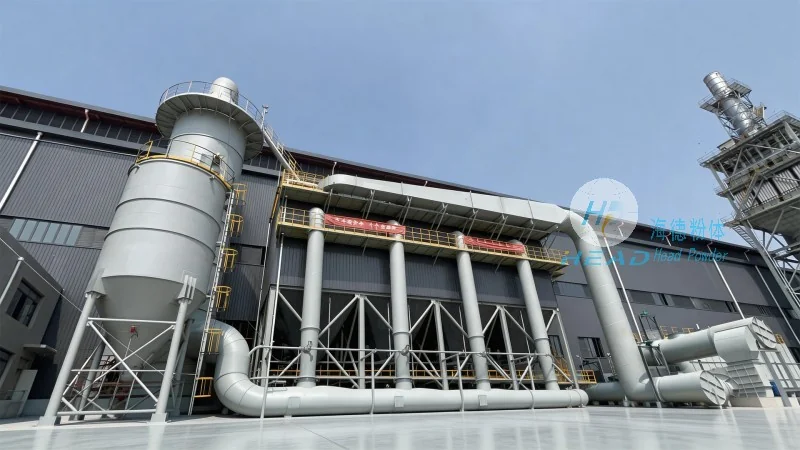
About HeadPowder: Your Trusted Partner in Material Handling Solutions
HeadPowder, a leading provider of material handling solutions, specializes in the design and manufacturing of pneumatic conveying systems for calcium fluoride and other materials. With years of experience in the industry, HeadPowder has developed a reputation for providing high-quality, reliable systems that meet the specific needs of their clients. The company is headquartered in Shandong, China, and serves customers worldwide. HeadPowder's commitment to quality and customer satisfaction has made them a trusted partner for many industrial companies.