

Operation Process and Working Principle of Lithium Hexafluorophosphate Powder Conveying System
HeadPowder, a leading provider in the field, specializes in advanced powder handling solutions. This article delves into the operation process and working principle of their lithium hexafluorophosphate powder conveying system, highlighting the technical aspects and practical applications.
Company Overview
Shandong HeadPowder Engineering Co., Ltd., commonly known as HeadPowder, is headquartered in Shandong, China. The company is dedicated to developing and manufacturing high-efficiency powder conveying systems, particularly for specialized materials like lithium hexafluorophosphate, which is crucial in lithium-ion battery production.
Key Components of the Conveying System
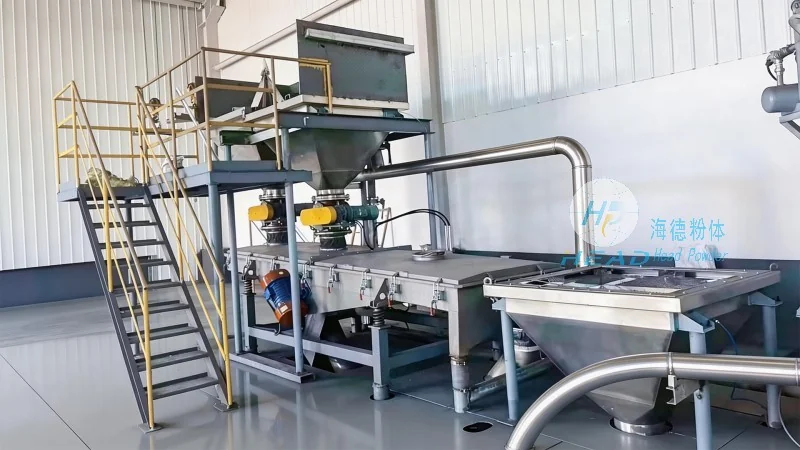
The lithium hexafluorophosphate powder conveying system comprises several critical components that ensure efficient and reliable material transport. These include a hopper for material storage, a rotary valve for controlled discharge, a pneumatic conveying line with appropriate ductwork, and a dust collection system to maintain environmental safety and material integrity.
Operation Process
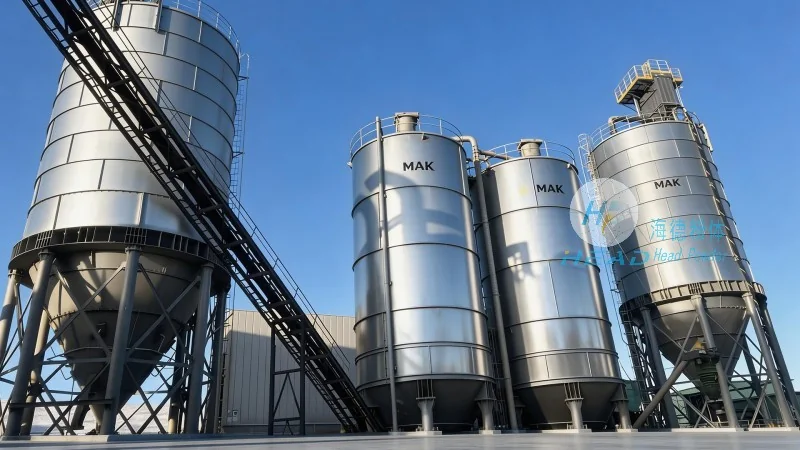
The operation process of the system begins with the loading of lithium hexafluorophosphate powder into the hopper. The hopper is designed with a smooth interior to minimize material bridging and ensure uniform flow. Once the material is loaded, the rotary valve is activated to regulate the discharge rate. The powder then enters the pneumatic conveying line, where it is transported by a combination of air pressure and vacuum, depending on the system configuration. The conveying line is equipped with appropriate bends and straight sections to maintain material velocity and prevent clogging. At the destination point, the powder is discharged into a receiving container, completing the transport cycle.
Working Principle
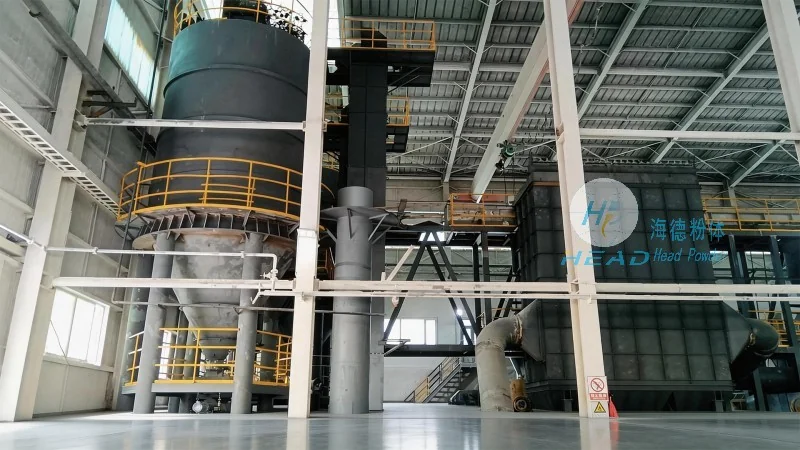
The working principle of the lithium hexafluorophosphate powder conveying system is based on pneumatic conveying technology. The system utilizes a pressure differential to move the powder particles through the conveying line. In a typical positive pressure system, compressed air is introduced into the hopper, creating an upward flow that lifts the powder particles and propels them through the line. The air and powder mixture is then separated at the receiving end, with the powder collected and the air either recirculated or vented to the atmosphere. The negative pressure system operates by creating a vacuum at the receiving end, drawing the powder and air mixture through the line. Both systems are designed to handle fine powders like lithium hexafluorophosphate, which require careful control to avoid dust generation and material degradation.
Advantages and Applications
The lithium hexafluorophosphate powder conveying system offers several advantages, including high efficiency, low maintenance, and the ability to handle fine powders without clogging. It is widely used in the lithium-ion battery industry, where precise and reliable transport of lithium hexafluorophosphate is essential for battery production. The system's design ensures minimal material loss and contamination, which is critical for maintaining product quality and consistency.