

Operation Process and Working Principle of Thermoplastic Polyurethane Powder Conveying System
Shandong HeadPowder Engineering Co., Ltd., a leading enterprise in the field of powder handling technology, specializes in the design, manufacturing, and supply of advanced conveying systems for thermoplastic polyurethane (TPU) powders. With a focus on precision and efficiency, the company's products are engineered to meet the demanding requirements of various industrial applications, ensuring reliable and safe material transport. This article provides a detailed overview of the operation process and working principle of the thermoplastic polyurethane powder conveying system, highlighting key components, operational steps, and technical advantages.
Key Components of the Powder Conveying System
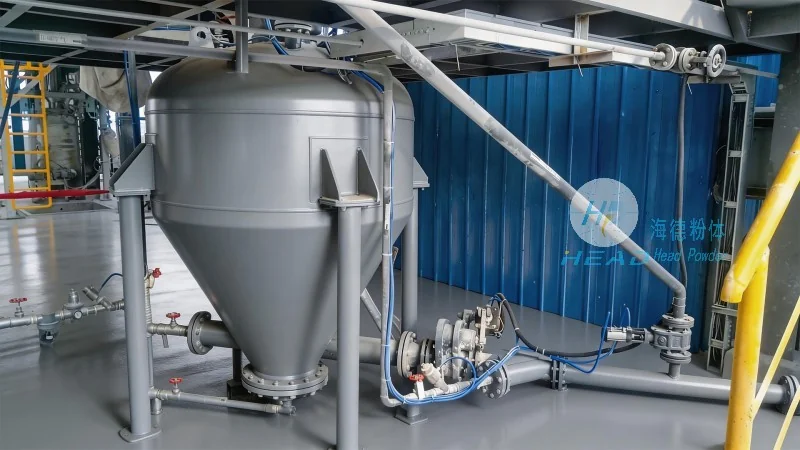
The thermoplastic polyurethane powder conveying system consists of several critical components that work in tandem to ensure smooth and efficient material transport. These components include a hopper for powder storage, a feeding mechanism to control the flow rate, a conveying device (such as a screw or pneumatic conveyor) to move the powder, and a control system to regulate the entire process. The hopper is designed with a sloped bottom to facilitate gravity feeding, while the feeding mechanism, often a rotary valve or a feeder, ensures consistent and controlled discharge of the powder. The conveying device, typically a screw conveyor or a pneumatic system, is responsible for transporting the powder from the hopper to the destination point, such as a processing machine or a storage silo. The control system, equipped with sensors and a programmable logic controller (PLC), monitors the flow rate, pressure, and other parameters to maintain optimal performance and prevent system failures.
Operation Process of the Powder Conveying System
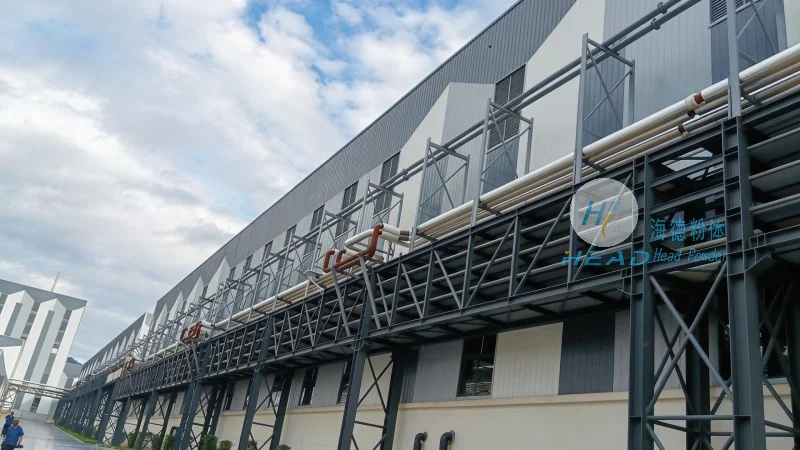
The operation process of the thermoplastic polyurethane powder conveying system follows a systematic sequence to ensure reliable material transport. The process begins with the loading of the hopper with the thermoplastic polyurethane powder. Once the hopper is filled, the feeding mechanism starts to discharge the powder into the conveying device. The conveying device then transports the powder through a pipeline or a conveyor belt to the target location. Throughout the process, the control system continuously monitors the flow rate and pressure, adjusting the feeding speed as needed to maintain a stable flow. The system is equipped with safety features, such as overload protection and emergency stop buttons, to prevent accidents and ensure operator safety. The entire operation is automated, reducing the need for manual intervention and minimizing the risk of human error. The process concludes when the powder reaches the destination, where it is either processed further or stored for future use.
Working Principle of the Powder Conveying System
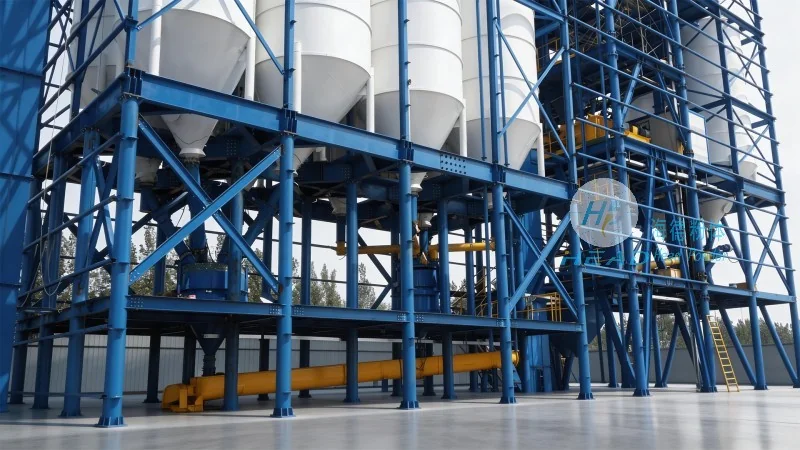
The working principle of the thermoplastic polyurethane powder conveying system is based on the principles of fluid dynamics and mechanical force. The system utilizes a combination of gravity and mechanical force to move the powder. The hopper provides a storage space for the powder, and the feeding mechanism controls the rate at which the powder is released. The conveying device, such as a screw conveyor, uses rotating blades or a screw to push the powder forward along the conveyor path. The screw's rotation creates a pressure gradient, which propels the powder through the system. In pneumatic conveying systems, compressed air is used to create a flow of air and powder, transporting the material through the pipeline. The control system plays a crucial role in regulating the pressure and flow rate, ensuring that the powder moves at a consistent speed and without clogging. The system is designed to handle the specific properties of thermoplastic polyurethane powder, such as its density, flowability, and moisture content, to optimize performance and prevent material degradation.
Technical Advantages and Applications
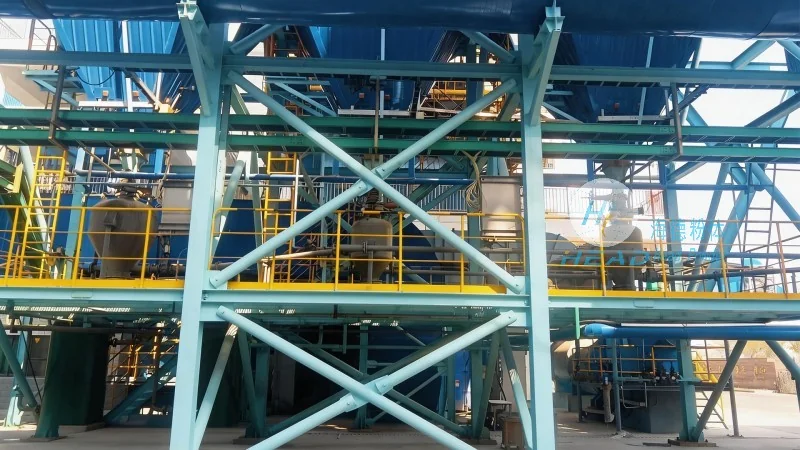
The thermoplastic polyurethane powder conveying system offers several technical advantages that make it suitable for a wide range of industrial applications. The system is designed to handle the abrasive and sticky nature of thermoplastic polyurethane powder, ensuring minimal wear and tear on components. The use of high-quality materials, such as stainless steel and corrosion-resistant coatings, extends the system's lifespan and reduces maintenance costs. The automated control system enhances operational efficiency, reducing downtime and increasing productivity. The system is also flexible and can be customized to meet the specific requirements of different applications, such as varying flow rates or material types. The applications of this system include the manufacturing of automotive parts, medical devices, and consumer products, where thermoplastic polyurethane is used for its flexibility, durability, and resistance to chemicals. The system's ability to handle large volumes of powder efficiently makes it an essential component in modern manufacturing processes.