

Operation Process and Working Principle of Calcined Ash Powder Conveying Equipment
Calcined ash powder conveying equipment is a specialized system designed for the efficient transport of calcined ash, a byproduct commonly generated in power plants and industrial processes. This equipment plays a crucial role in ensuring the safe and reliable movement of this fine powder material, which is often used in various applications such as cement production, construction materials, and environmental remediation. The design and operation of these systems are tailored to handle the unique characteristics of calcined ash, including its fine particle size, potential moisture content, and abrasive properties. By understanding the operation process and working principle of such equipment, users can better appreciate its importance in modern industrial operations and how it contributes to overall process efficiency and safety.
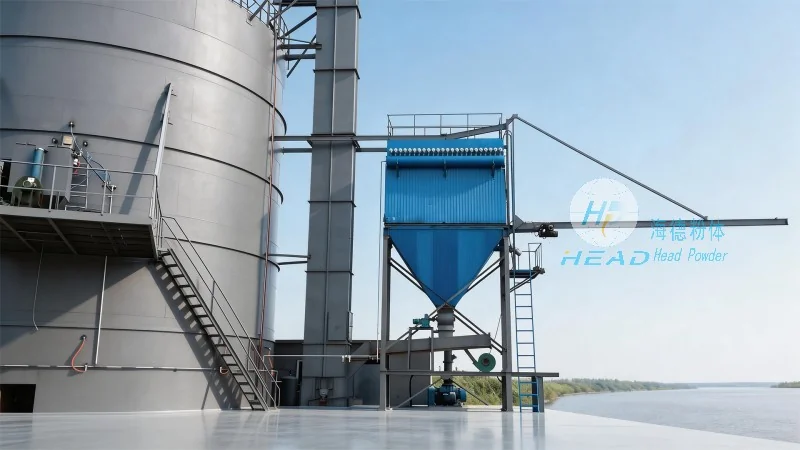
Key Components of the Conveying System
The calcined ash powder conveying equipment typically consists of several key components that work in tandem to achieve effective material transport. These components include a feeding mechanism, a conveying device (such as a screw conveyor, pneumatic conveyor, or bucket elevator), a control system, and a discharge unit. The feeding mechanism is responsible for introducing the calcined ash into the system, ensuring a consistent and controlled flow. The conveying device then transports the material through the system, either by mechanical means (like a screw or belt) or by pneumatic pressure (using air or other gases). The control system monitors and regulates the operation of the components, maintaining optimal performance and preventing issues such as blockages or overloading. Finally, the discharge unit collects the conveyed material and directs it to the intended destination, such as a storage silo or processing unit. Each component is carefully selected and integrated to ensure the system operates smoothly and efficiently, minimizing downtime and maximizing productivity.
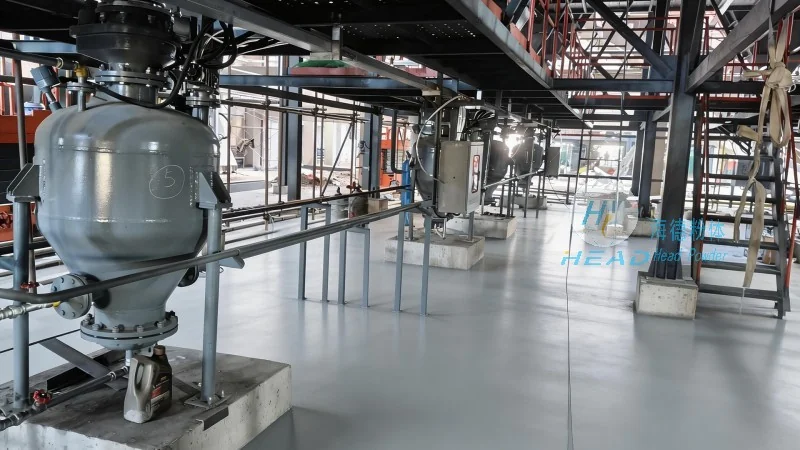
Operation Process of the Conveying Equipment
The operation process of calcined ash powder conveying equipment begins with the preparation of the calcined ash material. This involves ensuring the ash is properly dried and screened to remove any large particles or contaminants that could interfere with the conveying process. Once the material is prepared, it is fed into the system using the feeding mechanism. The feeding rate is typically controlled to match the capacity of the conveying device, preventing overloading and ensuring a steady flow. The conveying device then moves the material through the system, using mechanical or pneumatic forces to overcome resistance and maintain movement. During this process, the control system continuously monitors parameters such as pressure, flow rate, and temperature, adjusting the operation as needed to maintain optimal conditions. The material is transported to the discharge point, where it is collected and prepared for further use or storage. Throughout the operation, safety features such as dust suppression systems and emergency shut-off mechanisms are activated to prevent accidents and protect personnel. The entire process is designed to be automated to a large extent, reducing the need for manual intervention and minimizing the risk of human error.
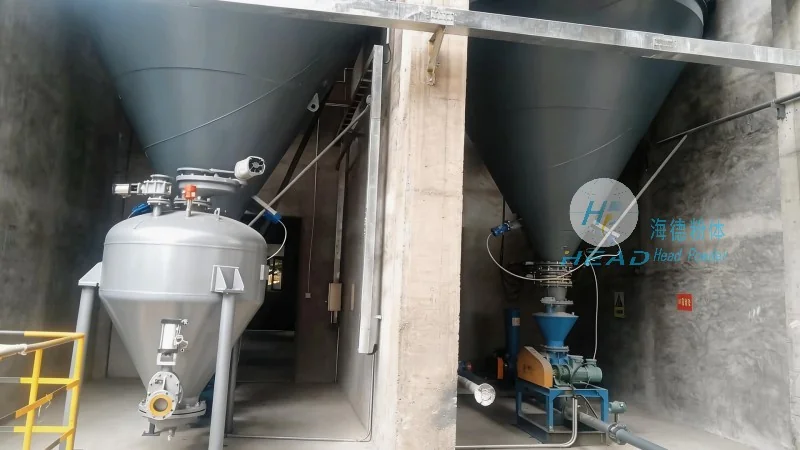
Working Principle of the Conveying Equipment
The working principle of calcined ash powder conveying equipment is based on the physical properties of the material and the principles of fluid dynamics or mechanical motion. For mechanical conveying systems, such as screw conveyors or belt conveyors, the material is moved by the rotation of a screw or the movement of a belt. The screw conveyor, for example, uses a rotating screw to push the material forward, while the belt conveyor uses a moving belt to transport the material. The speed and pitch of the screw or the speed of the belt are adjusted to control the flow rate and ensure efficient transport. For pneumatic conveying systems, the material is suspended in a stream of air or gas and transported through the system. The pressure difference between the intake and discharge points creates the force needed to move the material. The size and design of the ductwork, as well as the air velocity, are critical factors in determining the efficiency of the pneumatic system. The working principle also involves the use of airlocks and rotary valves to control the flow of material and prevent backflow or contamination. These components ensure that the material is conveyed in a controlled manner, maintaining the integrity of the material and preventing damage or degradation.