

The Operation Process and Working Principle of Sweet Potato Material Conveying
HeadPowder, a leading engineering company based in Shandong, China, specializes in the design and manufacturing of advanced material handling systems tailored for agricultural applications. The company's expertise lies in optimizing the processing of root crops like sweet potatoes, ensuring efficient and reliable conveying solutions for various industrial and agricultural operations.
Introduction to Sweet Potato Material Conveying Systems
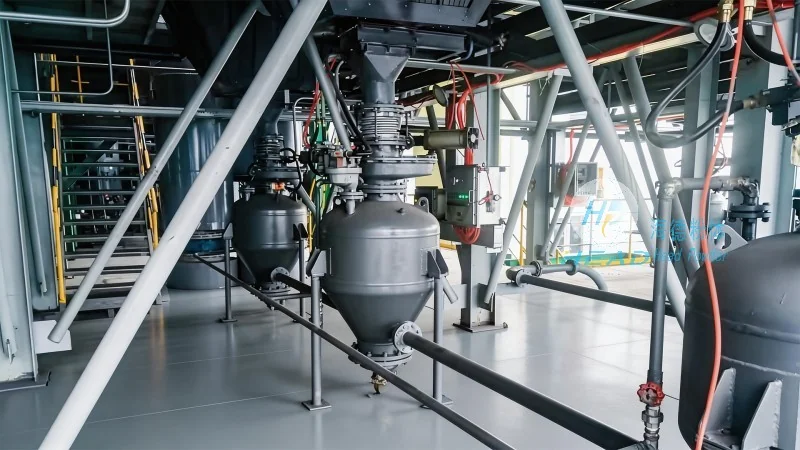
Sweet potato material conveying systems are critical components in modern agricultural processing facilities. These systems are engineered to transport sweet potatoes from storage areas to processing lines, or between different stages of the production workflow. The primary goal is to ensure a continuous and smooth flow of the raw material, minimizing downtime and maximizing productivity. HeadPowder's solutions are designed to meet the unique challenges of handling sweet potatoes, which are often irregular in shape and size, requiring gentle yet effective conveying mechanisms.
The Core Components of a Sweet Potato Conveying System
A typical sweet potato material conveying system consists of several key components that work in tandem to achieve efficient material transport. These components include feed hoppers, conveyor belts or rollers, lifting mechanisms, and control systems. The feed hopper is responsible for collecting the sweet potatoes and feeding them into the conveyor system. The conveyor itself may use flat belts, mesh belts, or roller systems, depending on the specific requirements of the operation. Lifting mechanisms, such as elevators or inclined conveyors, are used to move the sweet potatoes vertically or at an angle, ensuring they reach the next processing stage. Control systems, often integrated with sensors and automation technology, monitor the flow rate, detect blockages, and adjust the conveyor speed as needed.
The Operation Process of Sweet Potato Material Conveying
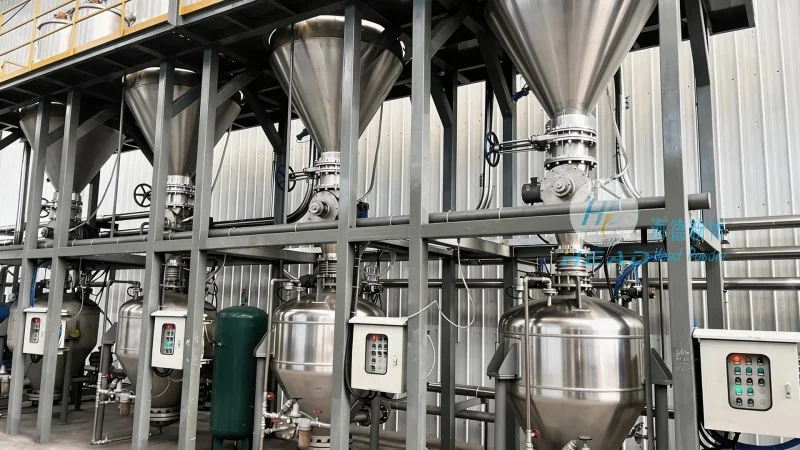
The operation process of a sweet potato material conveying system begins with the loading of sweet potatoes into the feed hopper. The hopper is designed to hold a sufficient quantity of the material, ensuring a steady supply to the conveyor. As the sweet potatoes fall from the hopper, they are guided onto the conveyor belt or rollers. The conveyor then transports the sweet potatoes along its path, moving them towards the next processing station. If the system includes lifting mechanisms, the conveyor may be inclined or equipped with elevators that lift the sweet potatoes to a higher level. The control system continuously monitors the flow, adjusting the speed of the conveyor to maintain an optimal throughput. This process ensures that the sweet potatoes are conveyed without damage, as the system is designed to handle the material gently, avoiding bruising or crushing.
Working Principle of the Sweet Potato Conveying System
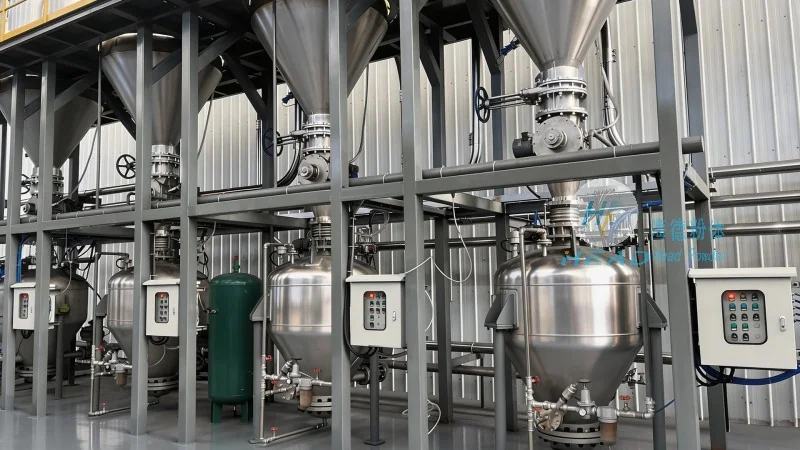
The working principle of a sweet potato material conveying system is based on mechanical energy transfer and material handling technology. The system utilizes gravity and mechanical power to move the sweet potatoes from one location to another. The feed hopper provides the initial force by allowing the sweet potatoes to fall onto the conveyor. The conveyor belt or rollers then use friction and mechanical force to move the material forward. Lifting mechanisms, such as inclined conveyors or elevators, convert horizontal motion into vertical movement by using pulleys, belts, or chains. The control system plays a crucial role in regulating the operation, using sensors to detect the presence of material and adjust the conveyor speed accordingly. This closed-loop control ensures that the system operates efficiently and safely, preventing overloading and maintaining consistent material flow.
Advantages of HeadPowder's Sweet Potato Conveying Solutions
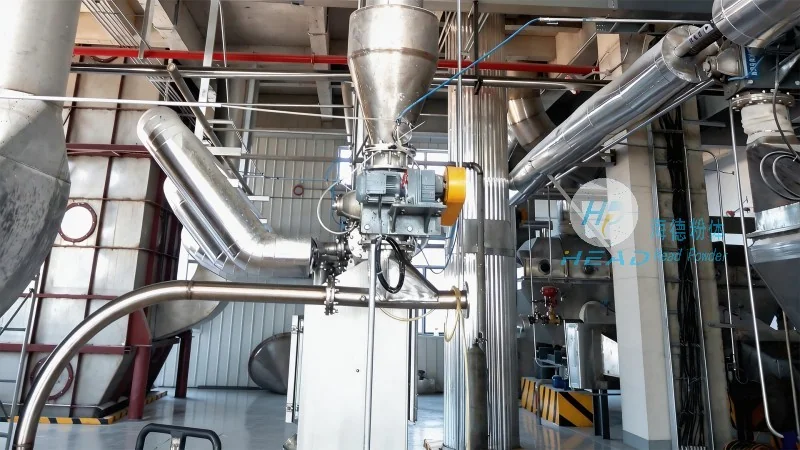
HeadPowder's sweet potato material conveying systems offer several advantages that make them ideal for agricultural processing applications. These systems are designed to handle the unique characteristics of sweet potatoes, such as their irregular shape and varying size, without causing damage. The gentle handling reduces the risk of bruising or crushing, which can affect the quality and market value of the final product. Additionally, the systems are highly efficient, with optimized conveyor speeds and control mechanisms that minimize downtime and maximize throughput. The modular design of the systems allows for easy integration into existing processing lines, and the robust construction ensures long-term reliability and low maintenance costs. HeadPowder's expertise in material handling technology ensures that their solutions are tailored to meet the specific needs of each client, providing customized solutions that enhance productivity and profitability.
Conclusion
In conclusion, the operation process and working principle of sweet potato material conveying systems are critical to the efficiency and success of agricultural processing operations. HeadPowder, with its headquarters in Shandong, China, provides advanced and reliable conveying solutions that are designed to handle sweet potatoes effectively. By understanding the core components, operation process, and working principles of these systems, agricultural processors can make informed decisions about their material handling infrastructure, ensuring optimal performance and productivity. HeadPowder's commitment to quality and innovation continues to set the standard in the industry, providing solutions that meet the evolving needs of modern agriculture.