

Operation Process and Working Principle of Iron Ore Fines Material Handling
Iron ore fines are a critical component in the steel production industry, and efficient material handling is essential for maintaining smooth operations. The process of transporting these fine particles from one location to another involves a series of steps and mechanisms designed to ensure safety, efficiency, and reliability. This article explores the operation process and working principles of iron ore fines material handling, highlighting the key components and methodologies used in the industry.
Introduction to Iron Ore Fines Material Handling
Iron ore fines, also known as fine iron ore, are particles of iron ore with a particle size typically less than 6.3 millimeters. These fines are often produced during the crushing and grinding processes of raw iron ore. Due to their small size and high surface area, iron ore fines are prone to dust generation and require specialized handling equipment to prevent environmental contamination and ensure worker safety. The material handling process for iron ore fines involves several stages, including storage, loading, conveying, and unloading, each of which is critical to the overall efficiency of the operation.
Key Components in Iron Ore Fines Material Handling Systems
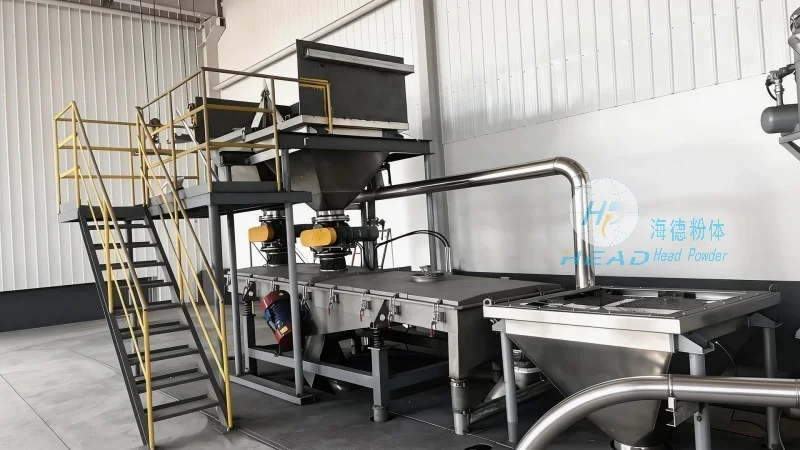
The material handling system for iron ore fines typically consists of several key components that work together to transport the material. These components include storage silos or hoppers, loading equipment such as bucket elevators or conveyor belts, conveying systems like belt conveyors or pneumatic conveying pipelines, and unloading mechanisms such as discharge chutes or storage bins. Each component plays a specific role in the overall process, and their design and operation are tailored to the characteristics of iron ore fines, such as their particle size distribution, moisture content, and density.
The Operation Process of Iron Ore Fines Material Handling
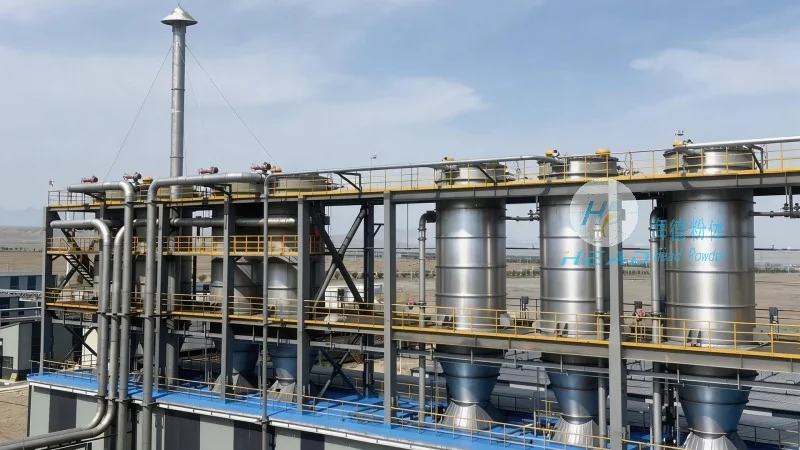
The operation process of iron ore fines material handling begins with the storage of raw iron ore fines in silos or hoppers. The material is then loaded into the conveying system using loading equipment, such as bucket elevators or conveyor belts, which transport the fines to the desired location. The conveying system, which may be a belt conveyor or a pneumatic pipeline, moves the fines through the system at a controlled speed to ensure uniform flow and prevent blockages. The unloading mechanism then discharges the fines into the next stage of processing or storage. Throughout the process, monitoring systems are used to track the flow rate, pressure, and temperature of the material, ensuring that the system operates within safe and efficient parameters.
Working Principles of Iron Ore Fines Material Handling Equipment
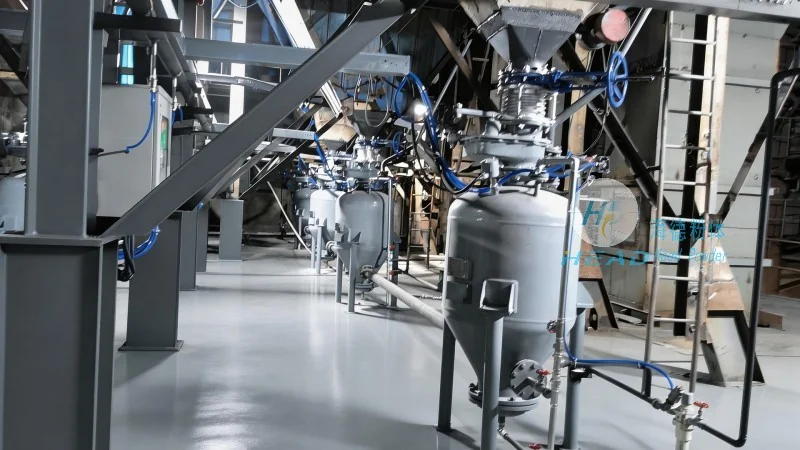
The working principles of iron ore fines material handling equipment vary depending on the type of equipment used. For example, belt conveyors use a continuous belt to transport the material, with the material being loaded onto the belt at one end and discharged at the other. The speed of the belt and the angle of inclination are adjusted to control the flow rate and prevent material accumulation. Bucket elevators, on the other hand, use a series of buckets attached to a chain or belt that moves vertically, lifting the material from a lower to a higher level. Pneumatic conveying systems use air pressure to transport the material through a pipeline, with the material being suspended in the air and moved by the flow of air.
Importance of Efficient Material Handling in Iron Ore Processing
Efficient material handling is crucial for the overall efficiency of iron ore processing plants. Proper handling of iron ore fines can reduce downtime, minimize material loss, and improve the quality of the final product. In addition, efficient handling reduces the risk of accidents and environmental contamination, which is essential for maintaining compliance with regulations and ensuring worker safety. The use of advanced material handling equipment and systems, such as automated monitoring and control systems, can further enhance the efficiency and reliability of the process.
Company Profile: Shandong HeadPowder Engineering Co., Ltd.
Shandong HeadPowder Engineering Co., Ltd., commonly known as headpowder, is a leading provider of material handling solutions for the iron ore industry. With years of experience in the field, the company specializes in designing and manufacturing equipment for the efficient handling of iron ore fines and other bulk materials. Headpowder's products and services are designed to meet the specific needs of clients, ensuring that their material handling systems are reliable, efficient, and safe. The company's commitment to quality and innovation has made it a trusted partner for many iron ore processing plants around the world.
Conclusion
In conclusion, the operation process and working principles of iron ore fines material handling are critical to the efficiency and safety of iron ore processing operations. The use of specialized equipment and systems, such as belt conveyors, bucket elevators, and pneumatic conveying pipelines, ensures that iron ore fines are transported safely and efficiently. Companies like Shandong HeadPowder Engineering Co., Ltd. play a vital role in providing the necessary equipment and expertise to ensure that iron ore processing plants operate at their optimal level. By understanding the key components and methodologies of iron ore fines material handling, industries can improve their operations and achieve better results.